How to Transplant Northwestern twayblade?
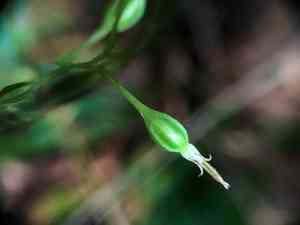
Northwestern twayblade thrives when relocated between late fall and early winter, benefiting from its inactive phase. Select a dim, damp spot that replicates natural forest environments for optimal growth.
What Preparations are Needed Before Transplanting Northwestern Twayblade?
What is the Ideal Time for Transplanting Northwestern Twayblade?
The best period for relocating northwestern twayblade is from late autumn to early winter. This timeframe allows the plant to establish its root system in cooler ground, preparing it for robust spring growth. Moving it during this season minimizes transplant stress and promotes root development, leading to a healthier, more resilient plant for the upcoming growing season.
How Much Space Should You Leave Between Northwestern Twayblade Plants?
When relocating northwestern twayblade, ensure each plant is positioned 6-12 inches (15-30 cm) apart. This spacing provides adequate air circulation and sufficient room for each plant to develop and thrive.
What is the Best Soil Mix for Northwestern Twayblade Transplanting?
Prepare a fertile, well-draining soil mixture for northwestern twayblade. Incorporate an organic base fertilizer, such as compost, to enhance soil fertility and ensure a strong start. Aim for a soil pH between 5.5 and 6.5, which is slightly acidic to neutral.
Where Should You Relocate Your Northwestern Twayblade?
Select a shaded to partially shaded spot for transplanting northwestern twayblade. This perennial flourishes best in filtered sunlight or areas receiving gentle morning sun and afternoon shade. This mimics its natural forest environment and provides optimal conditions for growth.
What Equipments Should You Prepare Before Transplantation Northwestern Twayblade?
Gardening Gloves
To safeguard your hands while handling soil and northwestern twayblade.
Shovel or Spade
For excavating the perimeter around the plant and its new location.
Watering Can or Hose
To hydrate the soil before and after the relocation.
Hand Trowel
For careful digging around the plant's root system.
Pruning Shears
To trim any dead or damaged roots and foliage.
Wheelbarrow or Container
To move the plant if necessary.
How Do You Remove Northwestern Twayblade from the Soil?
How Do You Remove Northwestern Twayblade from the Soil?
From Ground: First, moisten the soil around the northwestern twayblade plant. Use a shovel or spade to dig a wide trench around the plant, being careful not to harm the root ball. Gently work the shovel beneath the root ball to lift the plant from its original spot.From Pot: Water the northwestern twayblade plant thoroughly to facilitate its easy removal. Gently tap the pot's sides to loosen the soil. Tilt the pot slightly and slowly extract the plant, holding it by the base and avoiding root damage.From Seedling Tray: Water the seedlings and use a hand trowel to carefully lift the northwestern twayblade seedlings from the tray, ensuring a generous amount of soil remains around the root systems to minimize shock.
Step-by-Step Guide for Transplanting Northwestern Twayblade
Prepare the New Site
Prepare the new location in advance by digging a hole twice the width and equal depth of the northwestern twayblade's current root ball. This provides ample room for root expansion.
Amend the Soil
Ensure the new spot has well-draining soil by incorporating organic compost or other necessary amendments.
Remove the Plant Carefully
Follow the 'removal process' instructions specific to your situation (ground, pot, seedling tray) to prevent root damage.
Planting
Position the northwestern twayblade in the prepared hole at the same soil level as it was previously. Gently backfill the hole with soil, firming it around the root ball without excessive compaction.
Water Thoroughly
Water the newly transplanted northwestern twayblade extensively to settle the soil around the roots and eliminate air pockets.
How Do You Care For Northwestern Twayblade After Transplanting?
Watering
Keep the soil around the northwestern twayblade consistently damp, but not waterlogged, for the initial weeks post-transplant to encourage strong root development.
Mulching
Apply a layer of mulch around the base to help retain moisture and regulate soil temperature.
Monitoring
Regularly inspect the plant for signs of transplant shock, such as wilting or yellowing leaves, and ensure it receives adequate water and care.
Protection
Shield the northwestern twayblade from direct sun and wind for the first few days after transplanting to reduce stress.
Troubleshooting Common Issues with Northwestern Twayblade Transplantation.
When is the best time to transplant northwestern twayblade?
Early fall to early winter is optimal for relocating northwestern twayblade to ensure successful establishment.
What spacing is recommended for transplanting northwestern twayblade?
Space northwestern twayblade plants 6-12 inches (15-30 cm) apart for ideal growth and root spread.
How should I prepare the soil for northwestern twayblade transplantation?
Ensure the soil is well-drained, rich in organic matter, and slightly acidic for the best outcomes.
What are signs of transplant shock in northwestern twayblade?
Wilting, yellowing foliage, and stunted growth indicate transplant shock. Keep the plant well-hydrated and shaded.
How deep should I plant northwestern twayblade during transplantation?
Plant northwestern twayblade at the same depth it was growing before to avoid stressing its roots.
Should I water northwestern twayblade immediately after transplanting?
Yes, water northwestern twayblade thoroughly right after transplanting to help settle the soil around its roots.
How can I encourage root growth in transplanted northwestern twayblade?
Apply a root stimulator when transplanting to promote root development and stability.
Can I transplant northwestern twayblade in the spring?
While feasible, early fall to early winter is preferable for better establishment before warmer weather arrives.
What if northwestern twayblade leaves start to yellow post-transplant?
Yellowing leaves after transplanting can signal stress. Ensure proper watering and check soil conditions.
Should I mulch around transplanted northwestern twayblade?
Yes, apply mulch to maintain soil moisture, regulate temperature, and suppress weeds around northwestern twayblade.



