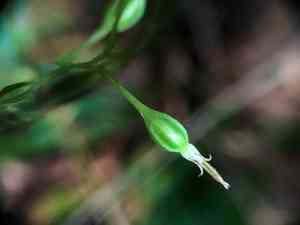
Northwestern twayblade (Neottia banksiana)
Also known as: None
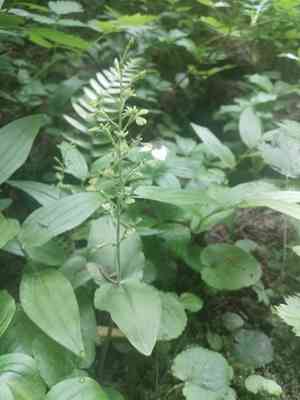
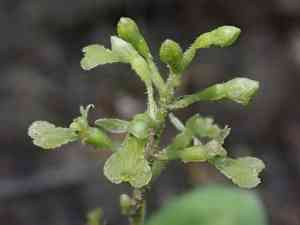
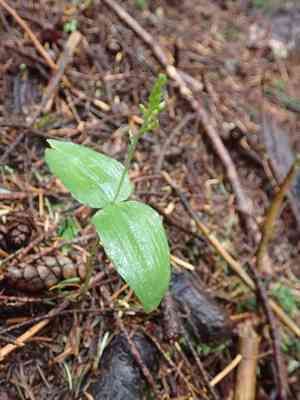
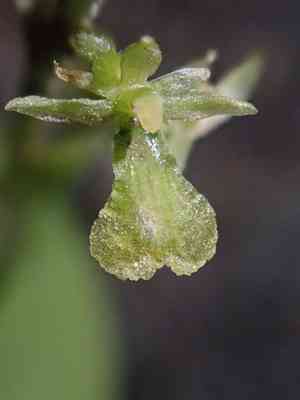
A rhizomatous perennial herb typically grows upright, reaching heights between 10 to 30 cm. It features a pair of green, oval leaves, each measuring up to 7 cm in length, situated near the plant's base. The plant produces a small cluster of green or yellow-green flowers arranged in a raceme. Each flower generally comprises three lance-shaped sepals, two similar petals, and a distinctive petal known as the lip, which is longer and rounded at the tip.
In This Article
Attributes of Northwestern twayblade
Lifespan
Perennial
Plant Type
Herb
Plant Height
10 cm to 30 cm
Spread
n/a
Leaf Color
Green
Flower Size
1-2 cm
Flower Color
Greenish-yellow
Images of Northwestern twayblade
Quickly Identify Northwestern twayblade
1
Neottia banksiana can be identified by its paired, oval-elliptic leaves and the small, greenish-yellow flowers arranged in a spike. The flowers are characterized by a distinctive twin-lobed labellum.
Scientific Classification of Northwestern twayblade
Phylum
Vascular plants
Class
Monocotyledons
Order
Asparagales
Family
Orchid
Genus
Twayblades
Species
Northwestern twayblade
Planting and Growing of Northwestern twayblade
Care Difficulty
Hard
Watering Schedule
Every 2 days
Sunlight Requirements
Full shade
Sunshine Duration
6-8 hours
Ideal Temperature
60-75℉
Soil Type
Potting Mix, Peat Mix
Soil pH
6.5-7.5
Fertilizer Type
Balanced
Pruning Season
Spring, Summer
Pruning Area
Branches, Leaves
Pruning Frequency
2 times a year
Repotting Season
Spring
Pot Type
Plastic, Ceramic
 How to Water Northwestern twayblade?
Water Neottia banksiana thoroughly, allowing the soil to become evenly moist but not waterlogged. The 250 ml amount is a guideline; it should be enough to moisten the soil without pooling at the bottom of the pot. Always check the top inch of the soil; it should feel dry before rewatering.
What are the symptoms of an underwatered Northwestern twayblade?
›
What should I do if my Northwestern twayblade is not getting enough water?
›
What are the symptoms of an overwatered Northwestern twayblade?
›
How to save an overwatered Northwestern twayblade?
›
 What Are the Sunlight Requirements for Northwestern twayblade?
Partial to full shade is ideal for Neottia banksiana, replicating its natural habitat. This balance ensures the plant avoids stress from intense sun while maximizing healthy growth and bloom potential.
What is the optimal lighting solution?
›
How can I achieve the ideal lighting?
›
What benefits arise from optimal lighting?
›
 What Is the Ideal Temperature Range for Northwestern twayblade?
The ideal temperature range for Neottia banksiana is between 60°F to 75°F. This range ensures optimal growth and metabolic processes. Maintaining the temperature within this range can lead to healthy foliage and robust flowering.
 What Soil is Best for Northwestern twayblade?
Neottia banksiana thrives in well-drained soil, which prevents waterlogging and root rot. Good drainage ensures the roots receive adequate oxygen and helps in the healthy growth of the plant. Incorporating organic matter into the soil boosts its fertility and helps retain moisture. It also supports beneficial microorganisms that enhance nutrient availability for the plant. Maintaining a slightly acidic pH between 6.5 and 7.5 ensures that Neottia banksiana can efficiently absorb essential nutrients. Proper pH levels contribute to healthy foliage and flowering.
 How to Fertilize Northwestern twayblade?
When fertilizing Neottia banksiana, use a balanced formula specifically designed for orchids, such as a 20-20-20 or 30-10-10 blend. For liquid fertilizers, mix at half the recommended strength on the package. Apply sparingly, ensuring not to over-saturate the plant's roots. For slow-release fertilizers, follow the guidelines on the packaging for the size of your plant or pot, usually around a teaspoon per plant.
 How to Prune Northwestern twayblade?
Begin pruning Neottia banksiana in early spring when new growth starts to appear. Use sharp, sterilized pruners to remove any dead, damaged, or diseased stems. Aim to improve airflow and light penetration by thinning out congested areas, focusing on maintaining the plant's natural shape. During summer, focus on maintaining the plant's shape and size. Trim back any overgrown branches to ensure they fit within the desired space in your garden. It's essential to make clean cuts just above a leaf node or bud to encourage further branching and blooming.
More About Pruning Techniques→
 How to Propagate Northwestern twayblade plant?
1
Collect fresh seeds from mature plants and dry them. Ensuring they are disease-free enhances the likelihood of successful germination.
2
Select healthy, disease-free plant parts from non-flowering wood, and cut them to the correct length to encourage rooting and growth.
3
Gently dig up the plant, ensuring the root system remains intact, and split the clump into sections, each with a healthy rootstock.
 How to Repot Northwestern twayblade plant?
1
You should repot Neottia banksiana when you notice its roots are overcrowding the pot or the growth has significantly slowed. Additionally, if the potting medium starts to break down and retains too much moisture, it's time to repot. Ideally, aim for a period when the plant shows renewed growth, typically in spring or early summer, ensuring it has the energy to recover from repotting.
2
Select a pot that’s just one or two sizes larger than the current one. Opt for pots with excellent drainage, which is crucial to prevent water stagnation. Using terracotta pots can be beneficial as they allow better aeration around the roots, helping to mimic the orchid's natural environment. Ensure the pot is sturdy enough to support the orchid's growth and weight once it fully develops.
3
The ideal soil choice is a well-draining orchid mix. This type of mix usually contains bark, perlite, and charcoal, ensuring adequate aeration and preventing the roots from sitting in water. The excellent drainage and airflow mimic the plant’s natural forest floor habitat, allowing it to thrive in its new pot. It also helps in maintaining the balance of moisture and preventing root rot.
Learn More About Northwestern twayblade Diseases
Anthracnose
Bacterial Leaf Spot
Bacterial Soft Rot
Bacterial Wilt
Black Spot
Chemical Injury
Crown Gall
Cyst Nematode
Damping-off
Downy Mildew
Drought Stress
Fusarium Wilt
Gray Mold
Leaf Spot
Mosaic
Nutrient Deficiency
Nutrient Toxicity
Powdery Mildew
Root Rot
Root-knot Nematode
Rusts
Sooty Mold
Spider Mites
Temperature Stress
Thrips Damage
White Mold



