How to Transplant Douglas' neckera moss?
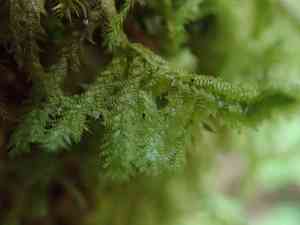
For douglas' neckera moss, the most favorable time for relocation is from the beginning of summer through its end, or during the initial weeks of autumn. This schedule enables the plant to become well-rooted prior to the colder months. Select a dim, damp spot to achieve optimal outcomes.
Preparations Required Before Relocating Douglas' Neckera Moss?
Optimal Timing for Douglas' Neckera Moss Relocation?
Douglas' neckera moss thrives when moved between early and late summer or during early autumn. This timeframe allows the perennial sufficient opportunity to establish its root system before encountering harsh temperatures. Transplanting at these times offers favorable growing conditions, including moderate soil warmth and adequate rainfall, which are crucial for a successful transition and vigorous development.
Recommended Spacing Between Douglas' Neckera Moss Plants?
When relocating douglas' neckera moss, position each plant approximately 12-18 inches (30-45 cm) apart. This spacing provides ample room for growth and prevents overcrowding, ensuring each plant receives sufficient resources.
Ideal Soil Blend for Douglas' Neckera Moss Relocation?
Prepare the soil using a combination of organic material and well-draining earth. Incorporate a foundational fertilizer rich in phosphorus and potassium to encourage root development. Ensure the soil pH is slightly acidic to neutral (6.0-7.0).
Optimal New Location for Your Douglas' Neckera Moss?
Select a site that receives partial to full shade, as douglas' neckera moss flourishes best with limited direct sun exposure. This helps the plant maintain proper moisture levels and prevents excessive drying.
Equipment Needed Before Relocating Douglas' Neckera Moss?
Gardening Gloves
To safeguard your hands while handling soil and the plant.
Hand Trowel
For digging around the douglas' neckera moss without harming its roots.
Shovel or Spade
Used for excavating planting holes and lifting the plant with its root ball.
Watering Can
To hydrate the plant during and after the relocation process.
Pruners
For trimming any damaged or lifeless parts of the plant.
Bucket or Tray
To transport the root ball without causing stress to the plant.
Mulch
To aid in retaining soil moisture and regulating temperature around the newly relocated douglas' neckera moss.
How to Extract Douglas' Neckera Moss from the Soil?
How to Extract Douglas' Neckera Moss from the Soil?
From Ground: First, moisten the douglas' neckera moss's soil. Then, dig a wide trench around the plant using a shovel or spade, ensuring the plant's root ball remains intact. Carefully work the spade beneath the root ball to lift the plant from its original spot.From Pot: Water the douglas' neckera moss to make the soil easier to manage. Gently tap the pot's sides to loosen the soil, then carefully invert the pot while supporting the plant with your hand. Gently slide the plant out, keeping the root ball whole.From Seedling Tray: Water the douglas' neckera moss to soften the growing medium. Use a hand trowel or spoon to carefully lift the seedlings from the tray, taking care not to disturb the root system.
Step-by-Step Guide for Relocating Douglas' Neckera Moss
Site Preparation
Choose the new location with appropriate light and prepare a hole twice as wide and equal in depth to the douglas' neckera moss's root ball.
Plant Removal
Using the methods previously outlined, carefully remove douglas' neckera moss from its original spot, ensuring the root ball stays intact.
Hole Preparation
Position the douglas' neckera moss in the prepared hole, making sure the top of the root ball is level with the surrounding soil.
Backfilling
Fill the hole with soil, gently firming it around the root ball to eliminate air pockets.
Watering
Provide the newly relocated douglas' neckera moss with a thorough watering to help it settle into its new environment.
Mulching
Apply a layer of mulch around the plant's base to help retain moisture and regulate soil temperature.
Post-Relocation Care for Douglas' Neckera Moss?
Watering
Keep the soil around the douglas' neckera moss consistently damp, but not waterlogged, for the initial weeks after relocation to aid in establishing strong roots.
Monitoring
Regularly inspect the douglas' neckera moss for indications of stress, such as wilting or yellowing foliage, and address any issues promptly.
Weeding
Maintain the area around the douglas' neckera moss free of weeds to reduce competition for nutrients and water.
Pruning
Trim any damaged or dead sections to encourage healthy new growth.
Resolving Common Issues with Douglas' Neckera Moss Relocation.
When is the best time to relocate douglas' neckera moss?
Relocate douglas' neckera moss from early summer to early fall for optimal outcomes.
How do I prepare soil for relocating douglas' neckera moss?
Utilize well-draining, slightly acidic soil rich in organic matter for relocating douglas' neckera moss.
What spacing should be used for planting douglas' neckera moss?
Plant douglas' neckera moss 12-18 inches (30-45 cm) apart to allow sufficient growth room.
Do I need to water douglas' neckera moss after relocating?
Yes, thoroughly water douglas' neckera moss after relocation to establish its roots.
How deep should I plant douglas' neckera moss?
Plant douglas' neckera moss at the same depth it was in its original container.
Can douglas' neckera moss tolerate direct sunlight during relocation?
Avoid direct sunlight; relocate douglas' neckera moss in partial shade to prevent stress.
What should I do if douglas' neckera moss shows signs of relocation shock?
Keep douglas' neckera moss well-hydrated and provide shaded protection until it recovers.
Should I fertilize douglas' neckera moss immediately after relocating?
Wait a few weeks before fertilizing douglas' neckera moss to prevent root burn.
What temperature is ideal for relocating douglas' neckera moss?
Relocate douglas' neckera moss when temperatures are between 60-75°F (15-24°C).
Is douglas' neckera moss sensitive to root disturbance during relocation?
Yes, handle douglas' neckera moss gently to minimize root disturbance and promote healthy growth.



