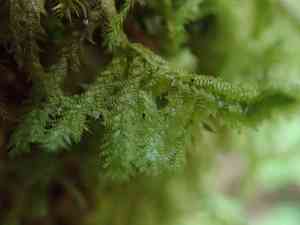
Douglas' neckera moss (Neckera douglasii)
Also known as: Douglas' Neckera, Douglas' moss
Douglas' neckera moss, a bryophyte commonly found in North American forests, flourishes on moist, shaded rocks and tree trunks. This moss, with its lush green, feather-like fronds, creates dense, interwoven mats that serve as essential microhabitats for invertebrates. Its ability to thrive in damp conditions showcases its adaptation to environments less hospitable to many flowering plants.
In This Article
Attributes of Douglas' neckera moss
Lifespan
Perennial
Plant Height
Up to 1-2 cm tall
Spread
N/A
Leaf Color
Green
Flower Size
N/A
Flower Color
N/A
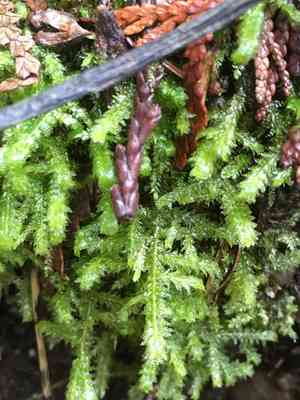
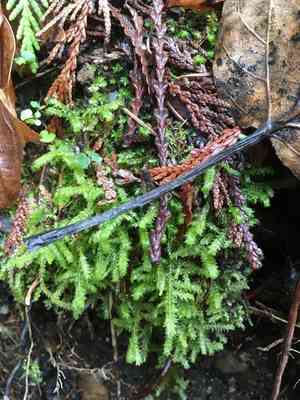
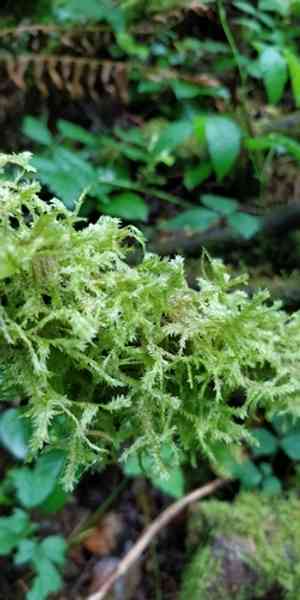
Images of Douglas' neckera moss
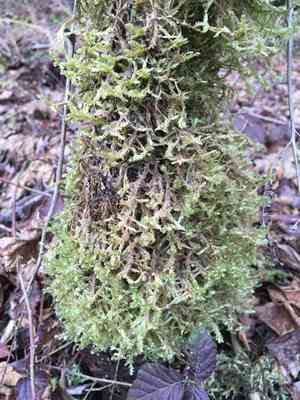
Quickly Identify Douglas' neckera moss
1
This moss can be identified by its small, overlapping leaves that have a slightly curved shape. The leaves are usually green with a glossy appearance. It forms dense mats, often covering large areas of tree bark or other moist surfaces.
Scientific Classification of Douglas' neckera moss
Phylum
Mosses
Class
True mosses
Order
Hypnales
Family
Neckeraceae
Genus
Neckera
Species
Douglas' neckera moss
Planting and Growing of Douglas' neckera moss
Care Difficulty
Moderate
Watering Schedule
Every 2 days
Sunlight Requirements
Partial sun
Sunshine Duration
6-10 hours
Ideal Temperature
60-75℉
Soil Type
Potting Mix, Peat Mix
Soil pH
6-7
Fertilizer Type
Balanced
Pruning Season
Spring, Summer
Pruning Area
Branches, Leaves
Pruning Frequency
2 times a year
Repotting Season
Spring
Pot Type
Plastic, Ceramic
 How to Water Douglas' neckera moss?
Neckera douglasii requires thorough yet moderate watering. Ensure the soil is evenly moist but not waterlogged. Approximately 200 ml per session is recommended, allowing excess water to drain to prevent root rot.
What are the symptoms of an underwatered Douglas' neckera moss?
›
What should I do if my Douglas' neckera moss is not getting enough water?
›
What are the symptoms of an overwatered Douglas' neckera moss?
›
How to save an overwatered Douglas' neckera moss?
›
 What Are the Sunlight Requirements for Douglas' neckera moss?
Neckera douglasii prefers partial sun to partial shade, ideally receiving 2 to 6 hours of light. This light exposure supports its vitality, enhances photosynthetic activity, and preserves its vibrant, natural appearance.
How much sun should Neckera douglasii receive?
›
What are the best strategies to achieve ideal lighting?
›
What are the benefits of ideal sunlight exposure for this plant?
›
 What Is the Ideal Temperature Range for Douglas' neckera moss?
The ideal temperature range for growing Neckera douglasii is between 60°F and 75°F. This range provides optimal conditions for photosynthesis and nutrient uptake, promoting healthy and vigorous growth.
 What Soil is Best for Douglas' neckera moss?
Neckera douglasii thrives in soils that can retain moisture well, but are not soggy. The balance of moisture aids in providing essential nutrients and helps maintain the stability that this moss requires for optimal growth. Adequate nutrient presence is crucial for Neckera douglasii, as it relies on nutrient-rich substrates to sustain its vibrant growth. The availability of organic matter in the soil enhances its ability to photosynthesize effectively. Efficient drainage is important to prevent waterlogging, which can lead to root decay. Suitable soil will allow excess water to escape, ensuring that the plant's roots remain healthy and well-oxygenated.
 How to Fertilize Douglas' neckera moss?
For Neckera douglasii, a gentle touch is required when it comes to fertilizing. Use a diluted liquid fertilizer at half the recommended strength. Each application should be light, focusing on providing just enough nutrients to assist growth without overwhelming the plant.
 How to Prune Douglas' neckera moss?
Look for brown or discolored sections, and gently trim these areas away. Focus on maintaining the plant's natural shape and size while encouraging healthy growth. Mosses such as Neckera douglasii are delicate. Use soft, gentle techniques when handling and trimming to avoid damaging the plant’s fragile structure.
More About Pruning Techniques→
 How to Propagate Douglas' neckera moss plant?
1
Collect seeds from ripe Neckera douglasii sporophytes. Clean them thoroughly to remove any debris. Sow the seeds in a pre-moistened seed starting mix, ensuring they are distributed evenly, then cover lightly with soil.
2
Select healthy sections of the plant for cuttings, preferably with at least 3-4 leaves. Cut them at an angle to increase the surface area for rooting. Dip the cut end in a rooting hormone to promote faster root development.
3
Insert the cuttings into a container filled with well-draining substrate, firming the soil around the base to support the cutting. Water lightly to settle the soil and remove air pockets, ensuring the soil remains slightly moist.
 How to Repot Douglas' neckera moss plant?
1
Neckera douglasii shows signs such as root crowding out of the pot, slow growth, or drying moss when it needs repotting. Early spring or autumn is the perfect timing as it ensures that the plant can recover quickly and adjust to new potting conditions.
2
Select a pot that is slightly larger than the current one, providing about an inch of extra space on all sides. This will encourage healthy growth while preventing over-potting. Ensure the pot has drainage holes to prevent waterlogging, which is crucial for the plant's root health.
3
Opt for a rich, organic potting mix that retains adequate moisture but allows excess water to drain. This type of soil replicates the plant's natural woodland environment, providing the essential nutrients and keeping the moss lush and healthy.



