How to Transplant Spring forget-me-not?
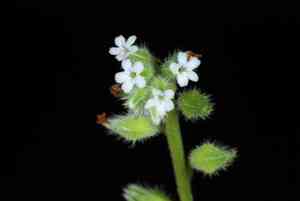
Spring forget-me-not flourishes when relocated from mid-spring until early summer, benefiting from the moderate climate. Select a location offering full sun to partial shade, featuring soil that drains effectively. Advice: Refrain from moving the plant during the hottest periods to lessen strain.
What Preparations are Needed Before Transplanting Spring Forget-me-not?
What is the Ideal Time for Transplanting Spring Forget-me-not?
Spring forget-me-not should ideally be moved from mid-spring to early summer, as this period offers prime growing conditions. Transplanting then allows the plant to benefit from mild temperatures and increased daylight, fostering strong root development and overall vitality. Early relocation minimizes stress and maximizes the plant's flowering potential.
How Much Space Should You Leave Between Spring Forget-me-not Plants?
When relocating spring forget-me-not, position plants 4-6 inches (10-15 cm) apart to provide ample room for growth and thriving. This spacing promotes good air circulation and lowers the risk of disease.
What is the Best Soil Mix for Spring Forget-me-not Transplanting?
Prepare well-draining soil enriched with organic matter like compost. Spring forget-me-not flourishes in soil that is slightly acidic to neutral. Incorporating a balanced 10-10-10 (N-P-K) base fertilizer before transplanting will give the plants a strong start.
Where Should You Relocate Your Spring Forget-me-not?
Select a site that receives abundant sunlight, as spring forget-me-not prefers bright, indirect illumination. Aim for an area that gets at least 6 hours of daily sunlight to encourage healthy development.
What Equipments Should You Prepare Before Transplantation Spring Forget-me-not?
Gardening Gloves
To safeguard your hands while handling soil and plants.
Hand Trowel
For digging and clearing soil around the root system of the spring forget-me-not plant.
Shovel or Spade
For excavating larger holes and lifting the plant from the ground.
Watering Can or Hose
To hydrate the plant before and after its relocation.
Wheelbarrow (optional)
To move the plant if it's large or if the new spot is distant.
Mulch
To aid in retaining soil moisture post-transplantation.
Staking Materials
For supporting the plant if it is tall or tends to lean.
How Do You Remove Spring Forget-me-not from the Soil?
How Do You Remove Spring Forget-me-not from the Soil?
From Ground: First, moisten the spring forget-me-not plant to dampen the soil. Then, excavate a wide trench around the plant using a shovel or spade, ensuring the plant's root ball stays intact. Carefully work the spade beneath the root ball to lift the plant from its original spot.From Pot: Thoroughly water the spring forget-me-not plant. Gently invert the pot while cradling the plant in your hand. Tap the pot's base to release the plant. If it's stuck, use a hand trowel to loosen the soil along the edges.From Seedling Tray: Water the seedlings well before removal. Use a pencil or a plant label to push the seedling up from the cell's bottom, being careful to hold the plant by its leaves rather than its stem.
Step-by-Step Guide for Transplanting Spring Forget-me-not
Preparation
Water the spring forget-me-not plant and the new planting location thoroughly a few hours prior to transplanting.
Digging Hole
Excavate a hole at the new site that is twice the width and the same depth as the spring forget-me-not's root ball.
Plant Removal
Carefully extract the spring forget-me-not from its initial position using the methods outlined in the 'removal_process' section.
Plant Placement
Gently position the spring forget-me-not into the hole, ensuring it sits at the same depth as it was in its previous spot. Carefully spread out any bunched roots.
Backfilling
Fill the hole with soil, pressing down gently to eliminate air pockets. Water the soil thoroughly to help it settle around the roots.
Mulching
Apply a layer of mulch around the base of the spring forget-me-not plant to conserve moisture and regulate soil temperature.
How Do You Care For Spring Forget-me-not After Transplanting?
Watering
Keep the soil around the spring forget-me-not consistently moist, but not waterlogged, for the initial weeks post-transplant to aid in establishing strong roots.
Monitoring
Inspect the spring forget-me-not plant daily for indications of stress, such as wilting or yellowing foliage, and adjust care as necessary.
Support
If the spring forget-me-not is tall or prone to leaning, use stakes to support the plant and prevent damage from wind or its own weight.
Weeding
Keep the area surrounding the spring forget-me-not free of weeds to reduce competition for nutrients and water.
Mulch Maintenance
Regularly check and maintain the mulch layer to ensure it continues to provide moisture retention and weed suppression benefits.
Troubleshooting Common Issues with Spring Forget-me-not Transplantation.
When is the best time to transplant spring forget-me-not?
Relocate spring forget-me-not from mid-spring to early summer for optimal growth and establishment.
How should I space out my spring forget-me-not transplants?
Position spring forget-me-not plants 4-6 inches (10-15 cm) apart to ensure healthy development.
What is a good soil mix for spring forget-me-not?
Utilize well-draining soil with organic matter to support spring forget-me-not's growth after transplanting.
How should I prepare the soil for spring forget-me-not transplants?
Loosen the soil to a depth of 6 inches (15 cm) to help spring forget-me-not roots establish easily.
How should I handle spring forget-me-not seedlings during transplanting?
Handle spring forget-me-not seedlings gently by their leaves, not their stems, to avoid harming young plants.
How deep should I plant spring forget-me-not transplants?
Plant spring forget-me-not transplants at the same depth they were growing in their original containers.
How much water do spring forget-me-not transplants need initially?
Water spring forget-me-not transplants thoroughly after planting to settle the soil around the roots.
What should I do if spring forget-me-not leaves wilt after transplanting?
Provide some shade and ensure consistent soil moisture to help spring forget-me-not recover from transplant shock.
Can I use mulch around my spring forget-me-not transplants?
Yes, apply a thin layer of mulch to retain soil moisture and regulate temperature for spring forget-me-not.
What pests or diseases should I watch out for after transplanting spring forget-me-not?
Monitor spring forget-me-not for aphids, slugs, and powdery mildew, treating promptly to prevent infestations.



