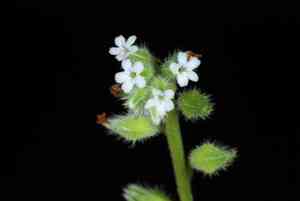
Spring forget-me-not (Myosotis verna)
Also known as: Spring Forget-me-not
Myosotis stricta is a plant species of the genus Myosotis. Common names include strict forget-me-not and blue scorpion grass.
In This Article
Attributes of Spring forget-me-not
Lifespan
Annual, Biennial
Plant Type
Herb
Plant Height
8 cm to 38 cm
Spread
Typically grows in clumps up to 15 cm in width
Leaf Color
Green
Flower Size
Approximately 0.5-1 cm
Flower Color
Blue
Images of Spring forget-me-not
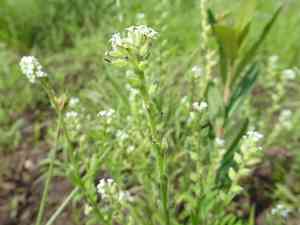
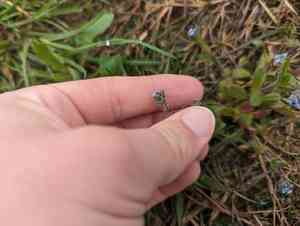
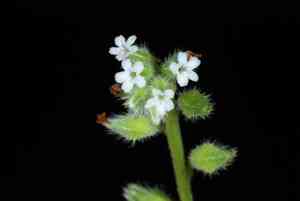
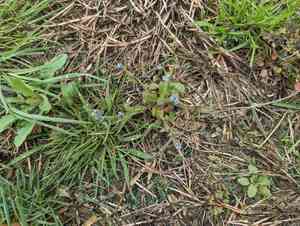
Quickly Identify Spring forget-me-not
1
To identify Myosotis verna, look for small, five-petaled, blue flowers that bloom in early spring. The plant typically has hairy stems and oblong leaves with a pronounced midrib.
Scientific Classification of Spring forget-me-not
Phylum
Vascular plants
Class
Dicotyledons
Order
Boraginales
Family
Borage
Genus
Forget-me-nots
Species
Spring forget-me-not
Planting and Growing of Spring forget-me-not
Care Difficulty
Easy
Watering Schedule
Every 8 days
Sunlight Requirements
Full sun
Sunshine Duration
4-8 hours
Ideal Temperature
60-70℉
Soil Type
Potting Mix, Peat Mix
Soil pH
6-7.5
Fertilizer Type
Balanced
Pruning Season
Spring, Summer
Pruning Area
Branches, Leaves
Pruning Frequency
2 times a year
Repotting Season
Spring
Pot Type
Terracotta, Plastic
 How to Water Spring forget-me-not?
For Myosotis verna, the watering amount is crucial. Generally, you should water around 100ml each time. Ensure the water reaches the roots without making the soil soggy. This helps in maintaining a good moisture balance that the plant requires.
What are the symptoms of an underwatered Spring forget-me-not?
›
What should I do if my Spring forget-me-not is not getting enough water?
›
What are the symptoms of an overwatered Spring forget-me-not?
›
How to save an overwatered Spring forget-me-not?
›
 What Are the Sunlight Requirements for Spring forget-me-not?
Myosotis verna benefits from partial to full sun exposure daily. This range facilitates optimal photosynthesis, ensuring robust growth and abundant flowering. In such light, Myosotis verna presents fuller foliage, vibrant color, and improved overall health.
How much sunlight does Myosotis verna need?
›
How to achieve ideal sunlight for Myosotis verna?
›
Benefits of ideal sunlight for Myosotis verna
›
 What Is the Ideal Temperature Range for Spring forget-me-not?
The ideal temperature range for growing Myosotis verna is between 60°F to 70°F. This range allows for optimal growth and blooming. At these temperatures, the plant can efficiently carry out photosynthesis and absorb nutrients from the soil, ensuring healthy development.
 What Soil is Best for Spring forget-me-not?
Myosotis verna thrives in well-drained soil, which helps prevent root rot and provides enough oxygen for healthy root growth. This promotes strong plant development and vibrant blooms. This plant benefits from nutrient-rich soil, which supplies essential minerals and nutrients, ensuring robust growth and resistance to diseases. Although Myosotis verna prefers well-drained soil, it also requires consistent moisture. This balance helps the plant maintain hydration, vital for its delicate tissues.
 How to Fertilize Spring forget-me-not?
When fertilizing Myosotis verna, it's crucial not to overdo it, as this plant thrives best with a delicate balance of nutrients. A small dose of liquid fertilizer, roughly half the recommended strength, should be sufficient for monthly applications. For slow-release fertilizers, a modest amount, like a tablespoon per plant, is generally adequate to promote health without overwhelming the plant.
 How to Prune Spring forget-me-not?
Before you begin pruning, carefully inspect the plant for any dead, diseased, or damaged stems. These should be removed first to prevent any potential spread of disease and to promote healthier growth. Thin out the plant by selectively removing some of the older stems. This not only improves air circulation but also allows more light to reach the center, promoting overall healthier growth patterns. Prune the plant to maintain its natural shape, cutting back any excessively long shoots. This will help ensure a more attractive appearance and prevent the plant from becoming too unmanageable.
More About Pruning Techniques→
 How to Propagate Spring forget-me-not plant?
1
Begin by filling seed trays with a moist potting mix, leaving about 1 cm of space from the top. This space allows for watering and ensures that seeds are not washed away. Level the surface gently before sowing the seeds evenly across the trays.
2
Scatter the Myosotis verna seeds thinly across the prepared potting mix. Aim for even distribution to prevent overcrowding, which can cause weak seedlings and increased disease risk. Gently press the seeds into the surface without covering them entirely, as they require light for germination.
3
Use a fine mist sprayer to water the seeds gently, ensuring the potting mix remains moist but not waterlogged. Cover the trays with a clear plastic lid or plastic wrap to maintain humidity, but ensure some ventilation to prevent mold growth.
 How to Repot Spring forget-me-not plant?
1
Look for early signs like roots circling the bottom of the pot, soil drying out quickly, or a noticeable stunted growth. These are clear signals that Myosotis verna needs a bigger home to continue thriving.
2
Select a pot that's 1 to 2 inches larger in diameter than the current one. Ensure it has ample drainage holes to prevent waterlogging, which can lead to root rot - a primary concern for this species.
3
Opt for a well-draining potting mix with a mix of peat and perlite. This type of soil will provide adequate aeration and prevent the roots from sitting in water, promoting healthy root growth.



