How to Transplant Sea bean?
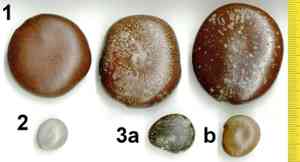
Sea bean flourishes when relocated in the mild temperatures of late spring through early summer, allowing its root system to settle prior to peak heat. Select a bright location featuring soil that drains effectively, and preserve the root ball's integrity for optimal outcomes.
What Preparations are Needed Before Transplanting Sea Bean?
What is the Ideal Time for Transplanting Sea Bean?
The best time to move sea bean is during the shift from vibrant spring to the gentle warmth of early summer. This period ensures sea bean benefits from steady temperatures and increasing daylight, vital for root growth. Mild weather helps sea bean settle without extreme heat or cold stress. Transplanting then aligns with the plant's natural growth cycle, leading to a strong and flourishing sea bean.
How Much Space Should You Leave Between Sea Bean Plants?
Hello there! For your lovely sea bean, let them have their space to thrive â aim for about 4-6 feet apart or roughly 120-180 cm. This gives them plenty of room to grow and flourish without competing for nutrients.
What is the Best Soil Mix for Sea Bean Transplanting?
To create a welcoming environment for your sea bean, combine rich, well-draining soil with a balanced fertilizer. A good start ensures robust development. Consider it preparing a nourishing meal for a cherished friend!
Where Should You Relocate Your Sea Bean?
Find a sunny location where your sea bean can receive approximately 6 hours of sunlight daily. They adore the sun's warmthâmuch like a relaxing day at the beach. With ample light, they will reward you with vigorous growth!
What Equipments Should You Prepare Before Transplantation Sea Bean?
Gardening Gloves
To safeguard your hands while handling soil and sea bean.
Spade or Shovel
To excavate the plant and prepare the new planting site.
Watering Can or Hose
To hydrate sea bean before and after its relocation.
Wheelbarrow or Garden Cart
To move sea bean and soil efficiently.
Pruner or Sharp Knife
To trim any damaged roots or stems.
Garden Fork
To loosen the soil surrounding sea bean's current position.
Soil Amendment
To enrich the soil at the new spot, if required.
Mulch
To help maintain soil moisture and regulate temperature around the root zone post-planting.
Stake or Plant Support
To provide stability for sea bean in its new location, if needed.
How Do You Remove Sea Bean from the Soil?
How Do You Remove Sea Bean from the Soil?
From Ground: First, moisten the sea bean plant to soften the earth. Use a garden fork to loosen the soil around sea bean, then carefully dig a wide circle around it with a spade or shovel, avoiding damage to the root ball. Slide the spade beneath the root ball to gently lift sea bean from the ground.From Pot: Water sea bean thoroughly to facilitate removal. Gently tilt the pot on its side and tap or press the pot's edges to loosen the soil. Carefully extract sea bean by the stem's base, not the foliage, to prevent harm.From Seedling Tray: Dampen the soil in the seedling tray for smoother transplanting. Use a spoon or a dibbler to gently lift the sea bean seedling with its surrounding soil to avoid disturbing the roots. Handle seedlings by their leaves, not their delicate stems.
Step-by-Step Guide for Transplanting Sea Bean
Prep Work
Ensure sea bean is watered before transplanting to help soil adhere to roots and lessen transplant shock.
Plant Removal
Follow the removal instructions based on whether sea bean is from the ground, a pot, or a seedling tray.
Hole Preparation
Dig a hole twice the width of sea bean's root ball and at a similar depth to its original spot. Loosen the soil at the bottom of the hole.
Placement
Center sea bean in the hole. Gently spread out any bunched roots. The top of the root ball should be level with the surrounding soil surface.
Soil Backfill
Fill the hole with soil around sea bean's root ball, gently tamping down with your hands to remove air pockets.
Watering
Thoroughly water sea bean after transplanting to settle the soil and hydrate the roots.
Mulching
Apply a layer of mulch around sea bean, leaving space around the stem to prevent rot.
How Do You Care For Sea Bean After Transplanting?
Initial Watering
Keep the soil around sea bean moist for the first few weeks post-transplant to encourage root growth, without overwatering.
Monitoring
Regularly check sea bean for signs of stress, such as wilting or discolored leaves, and address any issues promptly.
Staking
If sea bean appears unstable, use a stake or plant support to secure it until established.
Pruning
Trim any damaged or diseased leaves or stems to focus sea bean's energy on root development.
Adjustments
Be prepared to adjust the amount of water or mulch based on weather conditions to ensure sea bean has the best chance to thrive.
Troubleshooting Common Issues with Sea Bean Transplantation.
When is the best time to transplant sea bean?
Optimal transplanting for sea bean is when the warmth of late spring melds into early summer.
How far apart should I space sea bean plants?
Ensure sea bean plants have room to thrive by spacing them 4-6 feet (1.2-1.8 meters) apart.
Why are my sea bean's leaves wilting after transplanting?
Wilt may signal shock or dehydration. Keep soil moist and protect sea bean from strong midday sun initially.
What soil conditions favor sea bean after transplanting?
Plant sea bean in well-draining soil enriched with organic matter to support healthy root development.
How much should I water sea bean post-transplant?
Water thoroughly after transplanting, then maintain consistent moisture without waterlogging the soil.
Can I transplant sea bean on a hot day?
It's best to transplant sea bean on a cooler, overcast day to reduce stress and evaporation.
How deep should the hole be for transplanting sea bean?
Dig a hole twice as wide and just as deep as the root ball to give sea bean a strong start.
What to do if sea bean shows no new growth after transplanting?
Patience is key! Give sea bean time, proper care, and avoid overfertilizing which can harm new roots.
Should I apply fertilizer when transplanting sea bean?
Wait a few weeks before fertilizing sea bean to avoid burning tender, newly transplanted roots.
What should I do if sea bean is drooping after transplanting?
Drooping may occur from transplant shock. Ensure adequate water and consider shading sea bean for a few days.



