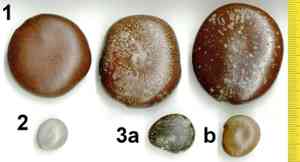
Sea bean (Mucuna gigantea)
Also known as: Burny bean
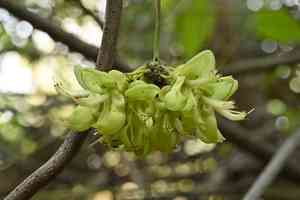
The **sea bean** (Canavalia rosea) is a hardy vine that thrives in tropical coastal areas. Its large seeds are spread by ocean currents, promoting extensive propagation. The plant showcases clusters of pea-like flowers ranging from white to purple. Its large green leaves, which have a notable silver-white underside, add to its visual appeal and attract numerous pollinators.
In This Article
Attributes of Sea bean
Lifespan
Perennial
Plant Type
Vine
Plant Height
Up to 10-15 meters
Spread
Variable, depending on the growth environment
Leaf Color
Green
Flower Size
Approximately 2-3 cm
Flower Color
White Yellow Green
Images of Sea bean
Quickly Identify Sea bean
1
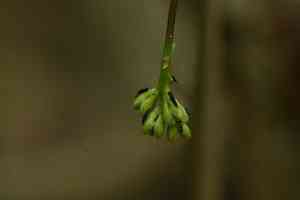
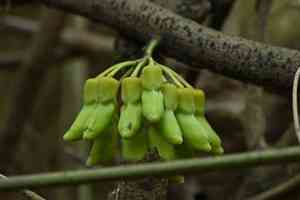
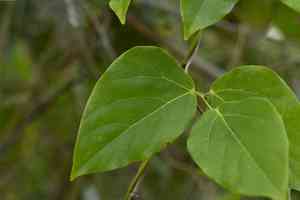
Identify Mucuna gigantea by its long, pendulous clusters of flowers which are typically purple or white. The leaves are trifoliate, and the plant produces large, somewhat woody pods.
Scientific Classification of Sea bean
Phylum
Vascular plants
Class
Dicotyledons
Order
Fabales
Family
Legume
Genus
Deer-eye beans
Species
Sea bean
Planting and Growing of Sea bean
Care Difficulty
Hard
Watering Schedule
Every 4 days
Sunlight Requirements
Partial sun
Sunshine Duration
6-10 hours
Ideal Temperature
68-86℉
Soil Type
Potting Mix, Peat Mix
Soil pH
6.5-7.5
Fertilizer Type
Balanced
Pruning Season
Spring, Summer
Pruning Area
Branches, Leaves
Pruning Frequency
2 times a year
Repotting Season
Spring
Pot Type
Plastic, Ceramic
 How to Water Sea bean?
Mucuna gigantea requires about 300 ml of water per session, ensuring that the soil is consistently moist but never waterlogged. Watering amounts may vary depending on the plant's environment, but soil should be checked regularly by sticking a finger into the soil. If the top two inches are dry, it's time for watering.
What are the symptoms of an underwatered Sea bean?
›
What should I do if my Sea bean is not getting enough water?
›
What are the symptoms of an overwatered Sea bean?
›
How to save an overwatered Sea bean?
›
 What Are the Sunlight Requirements for Sea bean?
Mucuna gigantea thrives in partial sun, meaning it ideally receives 4 to 6 hours of sunlight. This light range is crucial for healthy growth and flowering, promoting a balance of light exposure and shade protection.
What is the optimal lighting condition for Mucuna gigantea?
›
How can you ensure Mucuna gigantea gets ideal lighting?
›
What are the benefits of ideal lighting for Mucuna gigantea?
›
 What Is the Ideal Temperature Range for Sea bean?
For Mucuna gigantea, the ideal temperature for optimal growth ranges from 68°F to 86°F. This range allows the plant to metabolize nutrients efficiently and grow healthily. Maintaining the temperature within this range ensures consistent growth and minimal stress.
 What Soil is Best for Sea bean?
Mucuna gigantea thrives in nutrient-rich soil that supports robust growth and flowering. Utilizing loamy soil supplemented with organic matter greatly benefits this plant by enhancing nutrient availability and promoting healthy root development. This plant needs well-drained soil to prevent root rot and other moisture-related problems. Proper drainage also ensures that air pockets in the soil help the roots breathe and enjoy healthier growth. While liking well-drained conditions, Mucuna gigantea also appreciates soil that holds onto some moisture. Sandy loam is perfect for retaining just the right amount of moisture, which is crucial during periods of dry weather.
 How to Fertilize Sea bean?
For Mucuna gigantea, the ideal fertilizer amount should be moderate, as it is a vigorous climbing plant. Use about 1 teaspoon of liquid fertilizer per gallon of water when applying. Be cautious not to over-fertilize, as this can harm the plant.
 How to Prune Sea bean?
Begin by identifying and removing any dead or damaged stems to promote healthy growth. Cut these stems back to the base using your shears. Focus next on trimming back any excessively long or unruly vines to maintain the desired shape of the plant. Cut just above a leaf node to encourage new growth. To stimulate blooming, trim off spent flowers as soon as they fade. This encourages the plant to focus its energy on producing new blossoms.
 How to Propagate Sea bean plant?
1
Seeds from Mucuna gigantea should be collected from mature pods. Once the pods are dry, they can be split open to gather the seeds. Ensure seeds are viable by checking for any signs of damage or disease.
2
Select healthy parent plants and cut a piece of stem about 8-10 inches long. Remove the leaves from the lower half of the cutting to prevent decay when planted. It’s preferable to take cuttings early in the morning when the plant is most turgid.
3
For seeds, sow them in a soil mix with good drainage and cover lightly with soil. For cuttings, plant them in a pot with a mixture of sand and perlite to enhance drainage. Water lightly to ensure moisture without waterlogging.
 How to Repot Sea bean plant?
1
It's crucial to repot Mucuna gigantea when you see roots emerging from the bottom of the pot. This plant prefers ample space for roots to spread, indicating it's time for a new home when it seems root-bound.
2
Select a pot slightly larger than the current one, with ample drainage holes. This allows space for growth while preventing water from sitting in the soil, reducing the risk of root rot.
3
Opt for a well-draining potting mix, ideally with organic matter and aeration components like perlite. This aids in root breathing and prevents water accumulation, promoting healthy plant growth.
Toxicity
Ingestion
WARNING
The judgment on toxicity and danger is for reference only. We DO NOT GUARANTEE any accuracy of such judgment. Therefore, you SHALL NOT rely on such judgment. It is IMPORTANT TO SEEK PROFESSIONAL ADVICE in advance when necessary.
Learn More About Sea bean Diseases
Anthracnose
Bacterial Leaf Spot
Bacterial Soft Rot
Bacterial Wilt
Black Spot
Chemical Injury
Crown Gall
Cyst Nematode
Damping-off
Downy Mildew
Drought Stress
Fusarium Wilt
Gray Mold
Leaf Curl
Leaf Spot
Mosaic
Nutrient Deficiency
Nutrient Toxicity
Powdery Mildew
Root Rot
Root-knot Nematode
Rusts
Sooty Mold
Spider Mites
Temperature Stress
Thrips Damage
White Mold



