How to Transplant Upright chickweed?
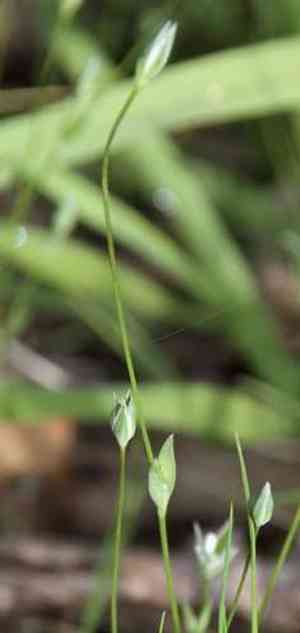
Upright chickweed flourishes when relocated between late summer and early autumn, benefiting from mild temperatures. Select a bright location featuring soil that drains efficiently. Verify its protection from strong gusts to properly establish its root structure.
What Preparations are Needed Before Transplanting Upright Chickweed?
What is the Ideal Time for Transplanting Upright Chickweed?
The best time to move upright chickweed is between mid-summer and early autumn. This period allows the plant to develop its root system before winter, ensuring strong growth next season. Transplanting then also benefits from cooler temperatures and more rain, lessening shock and watering needs.
How Much Space Should You Leave Between Upright Chickweed Plants?
For proper spacing, aim to plant upright chickweed approximately 6-8 inches (15-20 cm) apart. This spacing ensures each plant has ample room to grow without competing for nutrients or sunlight, promoting their healthy development in your garden.
What is the Best Soil Mix for Upright Chickweed Transplanting?
Prepare the soil using a mixture that drains well. A blend of loamy soil and compost works excellently. Incorporating a balanced, slow-release fertilizer at the base before transplanting will give upright chickweed a robust start.
Where Should You Relocate Your Upright Chickweed?
Select a sunny location for transplanting upright chickweed. This plant thrives with abundant sunlight, so aim for at least 6 hours of direct sun daily. Choose an open spot where it won't be overshadowed by other plants or structures.
What Equipments Should You Prepare Before Transplantation Upright Chickweed?
Gardening Gloves
To safeguard your hands while handling soil and plants.
Trowel
For digging small holes and lifting plants.
Spade or Shovel
For excavating larger areas and removing plants from the ground.
Watering Can or Hose
For hydrating the plant before and after relocation.
Garden Fork
To loosen soil around the plant while minimizing root damage.
Mulch
To help retain soil moisture after transplanting.
Bucket or Container
To move the plant if you are relocating it from one spot to another.
How Do You Remove Upright Chickweed from the Soil?
How Do You Remove Upright Chickweed from the Soil?
From Ground: First, moisten the upright chickweed plant to dampen the soil. Then, use a shovel or spade to dig a wide trench around the plant, ensuring the root ball remains intact. Carefully work the spade beneath the root ball to lift the plant from its original spot.From Pot: Gently press the pot's sides to loosen the soil. Tilt the pot and tap its bottom to ease the plant out, supporting the root ball by holding its base.From Seedling Tray: Use a trowel or a dull knife to carefully lift the seedling by scooping under its roots. Make sure to handle the seedling by its leaves, not the stem, to prevent harm.
Step-by-Step Guide for Transplanting Upright Chickweed
Preparation
Ensure all necessary tools are ready before beginning the transplanting process.
Watering the Plant
Thoroughly water the upright chickweed plant in its current location a few hours prior to removal to lessen transplant shock.
Digging the New Hole
Excavate a hole in the new site that is twice as wide and equally deep as the plant's root ball.
Removing the Plant
Follow the specific instructions depending on whether your plant is being moved from the ground, a pot, or a seedling tray.
Planting
Place the upright chickweed plant into the new hole, ensuring it sits at the same depth as it was in its previous location. Backfill with soil and gently firm the soil around the plant.
Watering After Planting
Water the transplanted upright chickweed plant thoroughly immediately after planting. Ensure the water reaches the root zone.
How Do You Care For Upright Chickweed After Transplanting?
Watering
Keep the soil around the upright chickweed consistently moist, but not waterlogged, for the initial weeks post-transplant to aid in root establishment.
Mulching
Apply a layer of mulch around the base of the upright chickweed plant to help retain soil moisture and regulate soil temperature.
Monitoring
Inspect the plant daily for the first week and then regularly afterward to ensure it is adapting well to its new environment. Look for signs of wilting or discoloration and adjust care as needed.
Protection
Consider using a shade cloth if the weather is particularly hot or sunny to prevent transplant shock.
Troubleshooting Common Issues with Upright Chickweed Transplantation.
When is the best time to transplant upright chickweed?
The ideal period for transplanting upright chickweed is from mid-summer to early fall for optimal results.
How much space should I leave between plants?
Ensure you leave about 6-8 inches (15-20 cm) between each upright chickweed plant for optimal growth.
How deep should I plant upright chickweed seedlings?
Plant upright chickweed seedlings at the same depth they were in their original container to avoid stress.
What kind of soil does upright chickweed prefer?
Upright chickweed thrives in well-draining soil with good organic matter. Avoid waterlogged areas.
How should I water upright chickweed after transplanting?
Water upright chickweed thoroughly immediately after transplanting and maintain consistent moisture until established.
How do I prepare the soil for transplanting upright chickweed?
Loosen the soil to a depth of 8 inches (20 cm) and mix in compost before transplanting.
What should I do if upright chickweed wilts after transplanting?
If upright chickweed wilts, provide shade and water regularly to reduce transplant shock and help recovery.
Can I transplant upright chickweed in direct sunlight?
Transplant upright chickweed in a partially shaded area initially to reduce stress, then gradually acclimate it to more sunlight.
Do I need to fertilize upright chickweed after transplanting?
A balanced, slow-release fertilizer can be applied after transplanting upright chickweed to support its growth.
How should I handle upright chickweed roots during transplanting?
Handle upright chickweed roots gently to avoid damage. Ensure they are well-supported in the new soil.



