How to Transplant Mexican star?
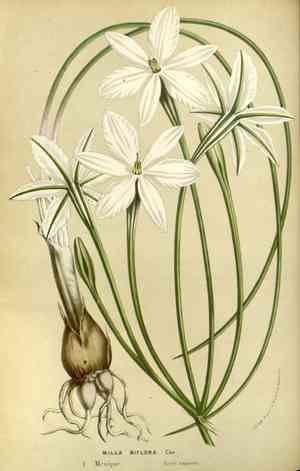
For mexican star, transplanting during the mild period of late spring or the gradual cooling of early autumn provides the most favorable beginning. Choose locations that receive abundant light and possess soil that drains effectively. Exercise caution; their root systems thrive with delicate handling.
Preparations Required Before Relocating Mexican Star
Optimal Period for Mexican Star Relocation?
For mexican star, the perfect time for moving is during spring's renewalâspecifically mid to late spring, or in autumn's gentle decline, from mid to late fall. Shifting mexican star in these periods leverages moderate soil conditions and peak growth, promoting seamless root establishment while nature's mild climate provides nourishment. This timing ensures your mexican star will flourish, utilizing natural cycles for vigorous growth and health. Following this approach is like harmonizing with nature's rhythm, guaranteeing horticultural success.
Required Spacing Between Mexican Star Plants?
Hello there, aspiring gardener! When getting ready to move your mexican star, envision providing each one with ample personal space. Aim for approximately 4-6 inches apart, which is roughly 10-15 cm, to allow roots to thrive and blooms to display themselves.
Best Soil Mixture for Mexican Star Relocation?
For your mexican star, consider preparing a comfortable bed with soil that drains well. A good loam mixture, rich in organic material, would be ideal for them. Give their new home a boost with a balanced, slow-release fertilizer to ensure a strong start to growth.
Where to Replant Your Mexican Star?
Your mexican star enjoys soaking up the sun, but not too intensely. Find a bright spot where they will receive gentle morning sunlight but some protection from harsh afternoon rays. A location with partial sun, where light filters through, should keep your mexican star radiating happiness.
Equipment Needed Before Transplanting Mexican Star
Gardening Gloves
To safeguard your hands while handling soil and plants.
Spade or Shovel
To excavate the mexican star without harming its root system.
Watering Can or Hose
To hydrate the mexican star before and after its relocation.
Wheelbarrow or Tarp
To move the mexican star and contain soil during the transfer.
Pruning Shears
To trim any damaged roots or foliage prior to transplanting.
Mulch
To help maintain soil moisture around the mexican star after transplant.
Plant Support Stakes
To stabilize the mexican star if needed following its relocation.
How to Extract Mexican Star from the Soil?
How to Extract Mexican Star from the Soil?
From Ground: First, moisten the mexican star plant to soften the soil, making it easier to manage. Then, using a spade or shovel, dig a wide circle around the plant, going deep enough to encompass the entire root ball. Carefully slide the tool underneath to lift the root ball from the ground with minimal damage.From Pot: Water the mexican star thoroughly to help the roots detach from the pot. Turn the pot on its side, tap the bottom, or gently pull the plant by its base if it's small enough. If the plant doesn't slide out easily, run a knife around the pot's edge to loosen the soil.From Seedling Tray: Water the seedlings to make the soil pliable. Use a spoon or a small gardening tool to carefully lift the mexican star from its cell, ensuring to include the roots and attached soil to protect the delicate root system.
Step-by-Step Guide for Relocating Mexican Star
Prepare the New Location
Dig a hole in your garden that is twice the width of the mexican star's root ball but no deeper. Loosen the soil at the bottom of the hole to provide a favorable environment for root expansion.
Root Ball Maintenance
Examine the mexican star's root ball and trim any broken or dead roots with pruning shears. This encourages healthy growth and prevents plant shock.
Positioning mexican star
Place the mexican star in the center of the hole. The plant's base should be level with the surrounding soil surface to ensure proper development.
Backfilling
Carefully refill the hole with soil, gently compacting it around the root ball to eliminate any air pockets, which can dry out the roots.
Watering
Water the mexican star generously after planting to settle the soil and hydrate the roots. This initial watering is vital for helping the plant recover from the stress of relocation.
Applying Mulch
Apply a layer of mulch around the base of the mexican star to retain moisture and regulate soil temperature, but keep it away from the plant's stem to prevent rot.
Post-Transplant Care for Mexican Star
Consistent Watering
Maintain steady watering for the initial weeks after transplanting until the mexican star is well-established. The soil should feel moist at a depth of 1 inch.
Assessing Staking Needs
If the mexican star appears to lean or is exposed to strong winds, add support stakes around it for added stability until its roots grow strong enough to support it.
Pruning
Trim any dead or yellowing leaves to encourage new growth and to direct the mexican star's energy towards establishing its roots.
Weed Management
Keep the area around the mexican star free from weeds, which compete for nutrients and water.
Observation
Regularly check the plant's overall health, looking for signs of distress such as wilting or discoloration that could indicate pests, diseases, or watering issues.
Resolving Common Issues with Mexican Star Transplantation.
How do I determine the best time to transplant mexican star?
The optimal transplant seasons for mexican star are when temperatures are mildâideally from mid-spring to late spring or from mid-autumn to late autumn.
What is the ideal spacing for planting mexican star?
When relocating mexican star, a distance of 10 to 15 centimeters (4-6 inches) apart will ensure proper growth.
Can mexican star be planted in direct sunlight?
Absolutely! Mexican star thrives in full sunlight, but a location with partial shade also works, especially during the hottest part of the day.
Should I water mexican star immediately after transplanting?
Yes, provide mexican star with a thorough watering after transplanting to help settle the soil and reduce transplant shock.
What kind of soil does mexican star prefer?
For optimal growth, plant mexican star in well-drained soil rich in organic matter.
How deep should I plant mexican star bulbs?
Plant the mexican star bulbs with their tops approximately 5 centimeters (2 inches) below the soil surface for the best results.
How often should I water mexican star post-transplant?
Water mexican star regularly to keep the soil consistently moist but not waterlogged, especially until new growth appears.
What should I do if mexican star's leaves start wilting after transplant?
Wilting may indicate stress; ensure mexican star receives sufficient water and check for proper soil drainage.
Is it necessary to fertilize mexican star after transplanting?
Feeding mexican star with a balanced fertilizer a few weeks after transplanting can promote healthy growth.
Why are my transplanted mexican star not flowering?
Blooming issues can arise from excessive shade, overwatering, or a lack of nutrients. Adjust care accordingly!



