How to Transplant Small bluebells?
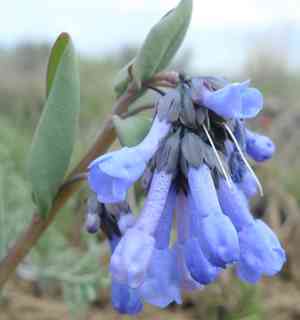
Small bluebells flourish when relocated during the lively period spanning from the beginning to the end of spring. This timeframe offers ideal circumstances owing to the temperate weather. Provide a spot with partial shade and soil that drains effectively to promote successful rooting.
Essential Preparations Before Relocating Small Bluebells?
Optimal Timing for Moving Small Bluebells?
The best time for moving small bluebells, a perennial, is from early to late spring. This timeframe ensures the ground is unfrozen and workable, aiding root establishment. Transplanting then leverages mild temperatures and natural rainfall, boosting survival rates and vigorous development, leading to successful relocation and strong growth.
Recommended Spacing for Small Bluebells Plants?
When moving small bluebells, ensure each plant is positioned approximately 12-18 inches (30-45 cm) apart. This spacing provides ample room for their growth and natural spread.
Ideal Soil Blend for Small Bluebells Relocation?
Prepare rich, well-drained soil with ample organic material for small bluebells. A foundational fertilizer with a balanced ratio, such as 10-10-10 (NPK), will give your plants a strong start. Incorporate it into the soil prior to planting.
Preferred New Location for Your Small Bluebells?
Select a spot that receives partial shade to full sun for small bluebells. They flourish best with about 4-6 hours of daily sunlight. This encourages abundant blooming!
Equipment Needed Before Transplanting Small Bluebells?
Gardening Gloves
To safeguard your hands while handling soil and plants.
Trowel
For excavating around the plant and preparing a new planting site.
Spade or Shovel
For digging larger holes or trenches.
Pruning Shears
To trim any damaged or excess roots.
Watering Can or Hose
To hydrate the plant before and after its move.
Wheelbarrow
For transporting the plant, especially if it's large.
Stakes and Ties
For providing support to small bluebells if needed post-transplant.
How to Extract Small Bluebells from the Ground?
How to Extract Small Bluebells from the Ground?
From Ground: First, moisten the soil around the small bluebells plant by watering. Next, dig a wide trench around the plant using a shovel or spade, ensuring the root ball remains intact. Carefully work the spade beneath the root ball to lift the plant from its original spot.From Pot: Water the small bluebells thoroughly before removal. Gently tip the pot and tap its sides to loosen the soil. Carefully slide the plant out, supporting the root ball with your hands.From Seedling Tray: Water the seedlings, then use a trowel or a gentle push from below to lift them out, ensuring roots and soil stay together.
Step-by-Step Guide for Relocating Small Bluebells
Site Preparation
Select a location with adequate sunlight and prepare the soil by loosening it to allow for easy root penetration.
Hole Digging
Excavate a hole twice as wide and as deep as the small bluebells' root ball. This ensures ample room for root expansion.
Plant Placement
Position the small bluebells into the hole, ensuring it stands upright and at its original growing depth. Backfill the hole halfway with soil and gently firm it down.
Finishing
Complete filling the hole with soil and lightly pat it down. Create a small ridge around the base to help retain water.
Watering
Thoroughly water the small bluebells to settle the soil and remove air pockets. Ensure water penetrates deeply to encourage root development.
Post-Transplant Care for Small Bluebells?
Watering
Keep the soil around the small bluebells consistently damp, but not waterlogged, for the initial weeks after transplanting to aid in strong root establishment.
Mulching
Apply a layer of mulch around the base of the small bluebells to conserve moisture and suppress weeds.
Monitoring
Regularly check for signs of transplant shock, such as wilting or yellowing leaves, and adjust watering as needed.
Support
Utilize stakes and ties if the small bluebells requires assistance as it adapts to its new environment.
Resolving Common Issues with Small Bluebells Transplantation.
When is the best time to transplant small bluebells?
The optimal period for relocating small bluebells is from early to late spring.
How much space should I leave between transplanted small bluebells?
Maintain a distance of 12-18 inches (30-45 cm) between each small bluebells for best growth.
What soil conditions do small bluebells favor?
Small bluebells thrive in well-draining, slightly acidic soil rich in organic matter.
Do small bluebells require special watering after transplanting?
Water thoroughly immediately after transplanting and keep the soil consistently moist but not saturated.
Should small bluebells be fertilized immediately after transplanting?
Wait until small bluebells shows new growth before applying a balanced, slow-release fertilizer.
How deep should I plant small bluebells roots?
Plant small bluebells roots at the same depth they were in their previous location.
What should I do if small bluebells leaves wilt after transplanting?
Wilting can indicate transplant shock. Keep the plant well-hydrated and provide some shade.
How can I reduce transplant shock for small bluebells?
Water well before and after transplanting. Minimize disturbance to the root ball.
Can I transplant small bluebells on a rainy day?
Transplanting on a cloudy or rainy day helps lessen stress and keeps the soil moist.
Are there pests I should watch for when transplanting small bluebells?
Be vigilant for slugs and snails, which may target delicate, newly transplanted small bluebells.



