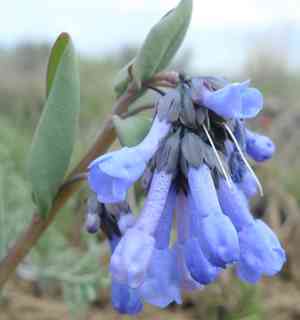
Small bluebells (Mertensia longiflora)
Also known as: Small Bluebells, Long-Flowered Bluebells
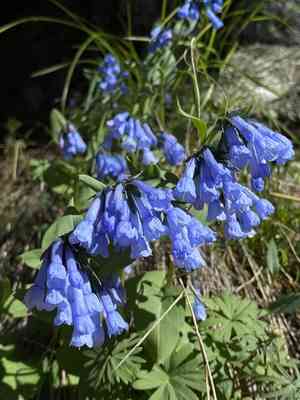
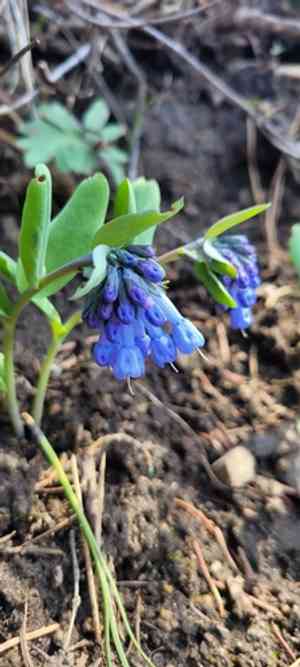
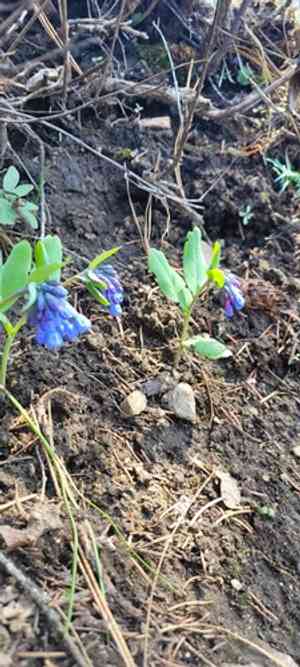
This perennial herb grows an upright stem from a branching caudex and can reach up to 40 centimeters in height. The plant features several oval to lance-shaped leaves. Its inflorescence is characterized by a tightly packed cluster of hanging tubular flowers with flared, bell-like openings. The flowers are predominantly bright blue, but can also be found in shades of lavender, pink, or nearly white, and typically measure up to 2.5 centimeters in length.
In This Article
Attributes of Small bluebells
Lifespan
Perennial
Plant Type
Herb
Plant Height
5 cm to 20 cm
Spread
N/A
Leaf Color
Green
Flower Size
0.5-1 inch (1.2-2.5 cm)
Flower Color
Blue to pinkish-purple
Images of Small bluebells
Quickly Identify Small bluebells
1
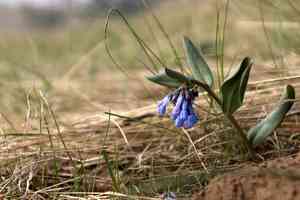
Mertensia longiflora can be identified by its distinctive blue to pinkish-purple bell-shaped flowers, which are pendulous and appear in clusters. The leaves are somewhat lance-shaped and have a slightly hairy texture. The plant typically grows in open woodlands, meadows, and rocky slopes.
Scientific Classification of Small bluebells
Phylum
Vascular plants
Class
Dicotyledons
Order
Boraginales
Family
Borage
Genus
Bluebell
Species
Small bluebells
Planting and Growing of Small bluebells
Care Difficulty
Moderate
Watering Schedule
Every 3 days
Sunlight Requirements
Full sun
Sunshine Duration
6-10 hours
Ideal Temperature
60-75℉
Soil Type
Potting Mix, Peat Mix
Soil pH
6.5-7.5
Fertilizer Type
Balanced
Pruning Season
Spring, Summer
Pruning Area
Branches, Leaves
Pruning Frequency
2 times a year
Repotting Season
Spring
Pot Type
Plastic, Ceramic
 How to Water Small bluebells?
For Mertensia longiflora, watering should ensure that the soil is consistently moist but not soggy. Approximately 250 ml per watering session will suffice, ensuring moisture reaches the deeper roots. Avoid water-logging, which can lead to root rot.
What are the symptoms of an underwatered Small bluebells?
›
What should I do if my Small bluebells is not getting enough water?
›
What are the symptoms of an overwatered Small bluebells?
›
How to save an overwatered Small bluebells?
›
 What Are the Sunlight Requirements for Small bluebells?
Partial to full sun is optimal for Mertensia longiflora. Ideal lighting enhances its photosynthesis process, supports vibrant blooms, and maintains the plant's overall vitality.
What is the ideal lighting condition?
›
How can you achieve the ideal lighting conditions?
›
What are the benefits of ideal lighting conditions?
›
 What Is the Ideal Temperature Range for Small bluebells?
To cultivate Mertensia longiflora effectively, maintaining an ideal temperature between 60°F and 75°F is crucial. This range supports optimal growth and flowering, providing the plant with conditions that mimic its natural habitat. Maintaining stable temperatures within this range helps in ensuring that the plant's physiological processes function smoothly, which is essential for healthy development.
 What Soil is Best for Small bluebells?
Mertensia longiflora thrives in nutrient-rich soil that provides essential minerals needed for vibrant growth. A well-nourished base supports healthy leaf and flower development, resulting in a robust plant. This plant requires soil with excellent drainage to prevent root rot. An environment that effectively channels water away assures the roots remain healthy and oxygenated, enhancing its lifespan. Balancing moisture retention is critical. The soil should hold enough water to keep the plant hydrated yet prevent waterlogging. This environment ensures consistent access to water without stress from excess.
 How to Fertilize Small bluebells?
For Mertensia longiflora, a balanced liquid fertilizer diluted to half its strength should be used. Apply around 20 milliliters of this solution per plant during active growth periods to support healthy foliage and blooming.
 How to Prune Small bluebells?
First, identify the old or damaged stems by looking for brown or faded areas. These should be cut at the base to encourage new growth. It is best to prune right after the plant has finished flowering in late spring or early summer. This allows the plant to recover and produce new shoots for the next flowering season. While pruning, aim to shape the plant to promote adequate air circulation. This helps prevent fungal diseases and keeps the plant looking neat.
 How to Propagate Small bluebells plant?
1
Harvest mature seeds from the plant once they have dried on the stem. Ensure that they are fully ripened for a better germination rate.
2
Select healthy, non-flowering shoots for cuttings. Cut a section approximately 4-6 inches long, and remove leaves from the lower half to reduce water loss.
3
Carefully divide the plant at the root to create new divisions. Ensure each division has a portion of the root system to sustain growth.
 How to Repot Small bluebells plant?
1
The signs that Mertensia longiflora needs repotting include roots protruding from the pot holes or the plant becoming top-heavy. The ideal time for repotting is during spring or summer when the plant is actively growing, allowing it to quickly establish in its new environment.
2
Select a pot just one size larger than the current one. The new pot should have adequate drainage holes to prevent waterlogging. Choosing a slightly larger pot helps to prevent root rot and encourages steady growth.
3
The ideal soil for Mertensia longiflora should be a well-draining, sandy mix. This particular soil structure allows for adequate airflow and water drainage, which is crucial for preventing root rot, thus keeping the plant's roots healthy and vibrant.
Learn More About Small bluebells Diseases
Anthracnose
Bacterial Leaf Spot
Bacterial Soft Rot
Bacterial Wilt
Chemical Injury
Crown Gall
Cyst Nematode
Damping-off
Downy Mildew
Drought Stress
Fusarium Wilt
Gray Mold
Leaf Spot
Mosaic
Nutrient Deficiency
Nutrient Toxicity
Powdery Mildew
Root Rot
Root-knot Nematode
Rusts
Sooty Mold
Spider Mites
Temperature Stress
Thrips Damage
White Mold



