How to Transplant Pineapple weed?
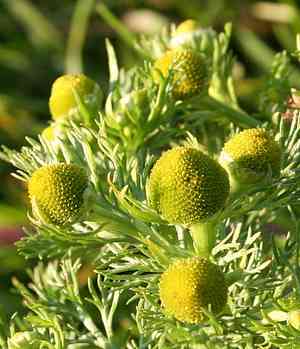
The ideal period for relocating pineapple weed is in the pleasant warmth of early to mid-summer, which encourages peak development. Select a bright spot with soil that drains effectively. When handling clusters, carefully divide them to promote robust rooting.
Essential Preparations Before Relocating Pineapple Weed
When is the Best Time to Move Pineapple Weed?
The most favorable period for moving pineapple weed is at the start of warmer seasons, typically early to mid-summer. Transplanting pineapple weed during this time utilizes the extended daylight and mild temperatures, fostering strong root development and growth before colder periods arrive. This timing aligns with natural cycles, creating a supportive environment that can boost growth efficiency and the overall success of the relocation process.
What is the Recommended Spacing Between Pineapple Weed Plants?
Before moving pineapple weed, measure your area! You should space each pineapple weed approximately 0.5-1 foot (15-30 cm) apart. This provides ample room for growth and ensures your plant will flourish.
What is the Optimal Soil Blend for Transplanting Pineapple Weed?
For pineapple weed, a well-draining and fertile soil, rich in organic matter, is ideal. Prepare the soil by incorporating a good compost or well-rotted manure as a base fertilizer to supply essential nutrients.
Where Should You Replant Your Pineapple Weed?
Select a location that receives abundant sunlight; pineapple weed thrives in sun. You'll want to ensure the chosen spot gets at least 6-8 hours of daily sunlight for optimal flowering.
Necessary Equipment for Transplanting Pineapple Weed
Gardening Gloves
To safeguard your hands while handling the plant and soil.
Garden Spade
To assist with digging and lifting the plant from its original spot.
Gardening Fork
To gently loosen the soil around the root system without harming the roots of the pineapple weed.
Garden Trowel
To aid in digging the new hole for transplanting the pineapple weed.
Watering Can
To irrigate the pineapple weed during and after the transplanting procedure.
Mulch
To help maintain soil moisture once the plant has been relocated.
Rooting Hormone
To encourage root development and give your pineapple weed plant a strong start in its new location.
How to Extract Pineapple Weed from the Soil
How to Extract Pineapple Weed from the Soil
From Ground: Start by moistening the soil around the pineapple weed plant. This makes it easier to move and reduces stress on the plant. Dig a few inches around the plant with a garden spade, being careful not to cut through the root system. Gently loosen the soil using a garden fork, then carefully lift the plant. From Pot: Begin by watering the pineapple weed plant thoroughly. Tilt the pot sideways, holding the plant's base. Tap the bottom of the pot and gently pull the plant out. Be cautious not to yank or damage the root ball. From Seedling Tray: Lightly water the tray to dampen the soil. Using a spoon or small tool, scoop out each seedling, ensuring the roots remain intact. Hold them by their leaves, not the stems, which are easily damaged.
Step-by-Step Guide for Relocating Pineapple Weed
Preparation
Ensure all your tools are ready. Put on your gardening gloves. If possible, choose a cool, overcast day for transplanting, as this minimizes stress for the pineapple weed plant.
Preparing the New Location
Dig a hole using the garden trowel, approximately twice as wide and as deep as the root ball of the pineapple weed plant.
Transplant
Place the pineapple weed into the hole. The top of the root ball should be level with the surrounding soil. Fill the space around the root ball with soil, pressing gently to firm it.
Water
Use the watering can to water the plant immediately after planting. This will help settle the soil.
Mulch
Apply a layer of mulch around the base of the plant. This will help retain moisture and suppress weeds.
Post-Transplant Care for Pineapple Weed
Monitoring
Observe the pineapple weed closely for the initial weeks after transplanting. This is vital as the plant adjusts to its new environment.
Hydration
Consistent watering is necessary to help the pineapple weed establish its roots in the new location. However, avoid overwatering to prevent root rot.
Protection
If the plant exhibits signs of shock, such as wilting or leaf drop, provide additional protection like shade or a windbreak.
Maintenance
Remove spent flowers to encourage new growth and prune if needed to maintain the shape of your pineapple weed.
Addressing Common Issues with Pineapple Weed Transplantation
What is the ideal season to transplant pineapple weed?
The perfect time to transplant pineapple weed is during the S4-S5 season, when it exhibits optimal growth.
What is the optimal spacing for pineapple weed transplants?
For pineapple weed, ensure a gap of 0.5 to 1 foot (15-30 cm) between plants. This is crucial for healthy development.
Why is my pineapple weed wilting after transplanting?
Wilting typically results from root shock due to transplanting. Consider watering it immediately after the process to lessen stress and keep the roots moist.
Should I fertilize pineapple weed right after transplanting?
No, wait one to two weeks before fertilizing. This allows pineapple weed to acclimate to its new environment, preventing further damage.
My pineapple weed looks unhealthy even in the ideal season, why is that?
This could be due to unsuitable soil type or pH, overcrowding, or water stress. Ensure pineapple weed is planted in well-drained soil and receives adequate nutrients.
How deep should I plant the pineapple weed during transplantation?
The transplant hole should be just deep enough to cover the root ball of pineapple weed. Planting too deep might suffocate the plant; too shallow may cause the roots to dry out.
Why are my pineapple weed leaves discolored after the transplant?
Leaf discoloration can indicate a nutritional deficiency or water stress. After transplanting, ensure pineapple weed receives moderate water and check the soil nutrient levels.
Can I transplant pineapple weed in any type of soil?
Pineapple weed prefers well-draining soil. Heavy clay or overly sandy soils may hinder growth, so amend soil conditions as necessary.
Should the pineapple weed be pruned before transplantation?
Light pruning before transplanting pineapple weed can reduce stress on the plant. However, excessive pruning could harm the plant, so be gentle and thoughtful.
Why isn't my pineapple weed growing post-transplant?
Growth might be slowed due to transplant shock, improper watering, or insufficient sun exposure. Make sure to provide pineapple weed with favorable conditions for thriving.



