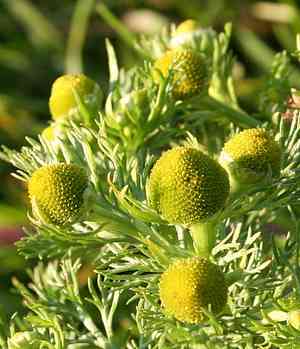
Pineapple weed (Matricaria discoidea)
Also known as: Disc mayweed, Rayless mayweed
Pineapple weed (Matricaria discoidea) is a well-known weed featuring charming, cone-shaped yellow-green flowers.
In This Article
Attributes of Pineapple weed
Lifespan
Annual
Plant Type
Herb
Plant Height
5 cm to 25 cm
Spread
30 cm
Leaf Color
Green
Flower Size
2.5 cm
Flower Color
Yellow Green White
Images of Pineapple weed
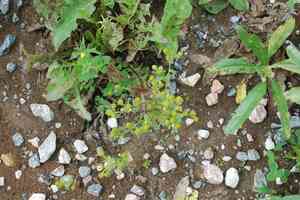
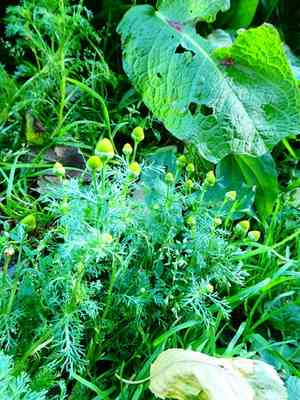
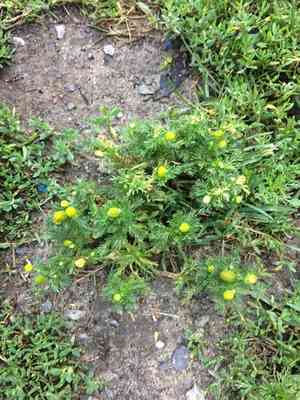
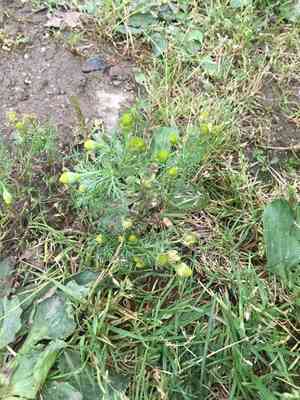
Quickly Identify Pineapple weed
1
Identifiable by its small, conical, yellow-green flowers and finely dissected, feathery leaves. When crushed, it emits a distinctive pineapple scent.
Scientific Classification of Pineapple weed
Phylum
Vascular plants
Class
Dicotyledons
Order
Asterales
Family
Daisy
Genus
Mayweed
Species
Pineapple weed
Planting and Growing of Pineapple weed
Care Difficulty
Easy
Watering Schedule
Every 4 days
Sunlight Requirements
Full sun
Sunshine Duration
6-12 hours
Ideal Temperature
60-70℉
Soil Type
Potting Mix, Peat Mix
Soil pH
5.6-7.5
Fertilizer Type
Balanced
Pruning Season
Spring, Summer
Pruning Area
Branches, Leaves
Pruning Frequency
2 times a year
Repotting Season
Spring
Pot Type
Plastic, Ceramic
 How to Water Pineapple weed?
Matricaria discoidea prefers to be watered moderately. Watering it around 200 ml at each watering session is ideal to prevent the soil from being overly saturated, which may lead to root rot. The top layer of the soil should feel moist to the touch without being soggy after watering. It's key to balance the level of moisture in the soil - not too dry or too wet.
What are the symptoms of an underwatered Pineapple weed?
›
What should I do if my Pineapple weed is not getting enough water?
›
What are the symptoms of an overwatered Pineapple weed?
›
How to save an overwatered Pineapple weed?
›
 What Are the Sunlight Requirements for Pineapple weed?
Full day to partial sunlight offers the best lighting range for healthy Matricaria discoidea. This light level encourages strong, lush growth and enhances bloom production.
What is the optimal light condition for Matricaria discoidea?
›
How to provide optimal light conditions for Matricaria discoidea?
›
What are the benefits of the optimal light conditions for Matricaria discoidea?
›
 What Is the Ideal Temperature Range for Pineapple weed?
Matricaria discoidea is best grown between 60 and 70 degrees Fahrenheit. This temperature range provides ideal conditions for germination, growth, and flowering. Regular monitoring and adjustment of temperatures may be required to maintain these optimal conditions.
 What Soil is Best for Pineapple weed?
Matricaria discoidea thrives in well-drained soil. The plant does not tolerate water-logged conditions, hence, the soil should allow fast passage of water to prevent root rot. The soil should ideally be rich in organic matter. Organic matter improves the soil's ability to retain nutrients and water, which contributes to the health and vigor of the plant. This plant prefers soils of moderate fertility. Overly nutrient-rich soil can lead to excessive growth at the expense of flower production. Hence, it is recommended to avoid over-fertilization.
 How to Fertilize Pineapple weed?
For Matricaria discoidea, or wild chamomile, fertilization shouldn't be heavy-handed. A moderate amount of balanced NPK (Nitrogen, Phosphorus, Potassium) liquid fertilizer, say one or two capfuls in a 2-gallon watering can, is more than sufficient each application.
 How to Prune Pineapple weed?
To prune your Matricaria discoidea, start by examining the plant to identify any dead, diseased, or damaged stems and leaves. Use your shears to cut these away, making the cut at an angle just above a leaf node. Then, remove any spent flowers by deadheading. Finally, shape the plant as desired by trimming back any overgrown areas. Remember to not remove more than one-third of the plant at a time to avoid stressing the plant.
 How to Propagate Pineapple weed plant?
1
Collect seeds in late summer after flowers have bloomed and faded. The collected seeds are dried and stored for sowing in the spring season.
2
Seeds are sown in a potting mix and placed under a light source. They need light to germinate so do not cover the seeds with soil. Germination happens within one to two weeks.
3
Matricaria discoidea can also be propagated by division in spring or summer. Use a sharp knife or secateurs to split the plant into several sections, making sure each has at least one shoot and a good root system, before planting.
 How to Repot Pineapple weed plant?
1
Matricaria discoidea, also known as Pineapple Weed, should be repotted when its root system becomes too crowded. Often, this can be noted when the plant's growth slows down, or the roots push out of the drainage holes. Ideally, repotting should be done in spring or summer when the plant is in active growth and can recover quickly.
2
Choosing the right container is crucial for the Pineapple Weed's health. Choose a container that's just slightly larger than the current one, as too large a pot can cause problems with water retention. Ensure the pot has enough drainage holes to prevent waterlogging. The benefits include healthier roots and good air circulation around the root zone which is vital for the plant’s growth.
3
Plant the Matricaria discoidea in sandy loam soil, a mixture with good drainage that should prevent the plant from becoming waterlogged. This kind of soil is ideal for this plant as it simulates their natural habitat, allowing them to grow stronger and healthier.



