How to Transplant Woolly nipple cactus?
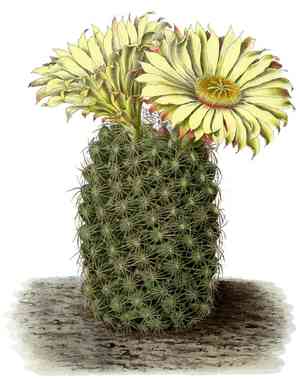
Mammillaria compressa flourishes when relocated during the initial to middle stages of spring, benefiting from suitable temperatures and active growth periods. Position it in a bright, adequately draining spot; exercise caution during handling because its root system can be fragile.
What Preparations are Needed Before Transplanting Woolly Nipple Cactus?
What is the Ideal Time for Transplanting Woolly Nipple Cactus?
Woolly nipple cactus thrives when moved in early to mid-spring. This period offers optimal growing conditions due to mild temperatures and increasing daylight, fostering robust root development. Transplanting then minimizes stress, aids better adaptation, and boosts the plant's health and resilience throughout the growing season.
How Much Space Should You Leave Between Woolly Nipple Cactus Plants?
For woolly nipple cactus, ensure each plant is spaced 6-12 inches (15-30 cm) apart. This provides ample room for growth without crowding, promoting healthy root development and air circulation.
What is the Best Soil Mix for Woolly Nipple Cactus Transplanting?
Utilize well-draining soil blended with sand or perlite to mimic woolly nipple cactus's native desert environment. Incorporate a light base fertilizer, such as a balanced slow-release formula, to aid root establishment.
Where Should You Relocate Your Woolly Nipple Cactus?
Select a sunny spot for woolly nipple cactus, ideally where it will receive at least 6 hours of full sunlight daily. A south-facing window or a garden area with direct sun exposure is perfect.
What Equipments Should You Prepare Before Transplantation Woolly Nipple Cactus?
Gardening Gloves
To safeguard your hands while handling soil and the plant.
Shovel or Spade
For digging the hole and assisting in lifting the plant from its original spot.
Trowel
Useful for working in confined spaces or with seedling containers.
Pruning Shears
To trim any damaged or lifeless parts of the plant.
Watering Can
For hydrating the plant before and after its relocation.
Bucket or Container
To temporarily hold the plant if necessary.
How Do You Remove Woolly Nipple Cactus from the Soil?
How Do You Remove Woolly Nipple Cactus from the Soil?
From Ground: First, moisten the woolly nipple cactus's soil. Then, dig a wide trench around the plant with a shovel or spade, keeping the root ball intact. Carefully work the spade beneath the root ball to lift the plant from its original location.From Pot: Water the woolly nipple cactus thoroughly to loosen the soil. Gently tip the pot on its side and tap the bottom to release the plant. If it's stuck, use a trowel to carefully work around the edges and free the roots.From Seedling Tray: Dampen the soil in the seedling tray. Gently use a trowel or your hands to lift the woolly nipple cactus from the tray, ensuring as much of the root system remains intact as possible.
Step-by-Step Guide for Transplanting Woolly Nipple Cactus
Prepare the New Site
Choose an appropriate location with adequate sunlight. Dig a hole twice the width of the root ball and equally deep to allow ample room for root expansion.
Soil Preparation
Loosen the soil at the bottom of the hole and mix in compost or sand if needed to ensure proper drainage. Make sure the soil is not compacted.
Plant Placement
Position the woolly nipple cactus in the hole, ensuring the top of the root ball is level with the ground surface. Backfill the hole halfway with soil, gently pressing it down to eliminate air pockets.
Watering
Thoroughly water the plant to help settle the soil around its roots.
Final Backfill
Continue filling the hole with soil, gently firming it with your hands. Ensure the plant is stable and upright.
Mulching
Apply a layer of mulch around the plant's base to retain moisture and suppress weed growth. Keep the mulch away from the plant's stem.
How Do You Care For Woolly Nipple Cactus After Transplanting?
Watering
Keep the soil around the woolly nipple cactus consistently moist, but not waterlogged, for the initial weeks post-transplant to aid strong root establishment.
Shading
Provide temporary shade if the woolly nipple cactus is in a particularly sunny spot to prevent transplant shock.
Monitoring
Observe the plant closely for the first few weeks to ensure it's adapting well to its new environment. Watch for signs of stress like wilting or yellowing leaves, and address them as needed.
Weeding
Regularly remove any weeds that emerge around the woolly nipple cactus to reduce competition for nutrients and water.
Troubleshooting Common Issues with Woolly Nipple Cactus Transplantation.
When is the best time to transplant woolly nipple cactus?
The ideal times are early spring, mid spring, or late fall for best results.
What should be the spacing between each woolly nipple cactus?
Plant your woolly nipple cactus 6-12 inches (15-30 cm) apart to ensure healthy growth.
How do I prepare the soil for transplanting woolly nipple cactus?
Use well-drained soil mixed with sand to mimic its natural environment.
How deep should I plant woolly nipple cactus in the new location?
Plant woolly nipple cactus at the same depth it was previously growing to avoid stress.
How do I avoid transplant shock for woolly nipple cactus?
Water thoroughly right after transplanting and avoid direct sun for a few days.
What tools are best for transplanting woolly nipple cactus?
Use gloves and a small trowel to carefully dig and move the plant.
How much water does woolly nipple cactus need after transplanting?
Water sparingly, just enough to keep the soil slightly moist but not soggy.
How can I tell if woolly nipple cactus is not adjusting well?
Watch for signs of wilting, discoloration, or stunted growth as indicators of stress.
Should I fertilize woolly nipple cactus immediately after transplanting?
Wait a few weeks before fertilizing to allow the plant to settle in its new spot.
What kind of sunlight does woolly nipple cactus need after being transplanted?
Provide bright, indirect sunlight initially, then gradually introduce more direct sunlight.



