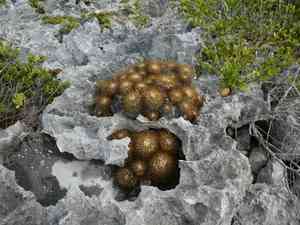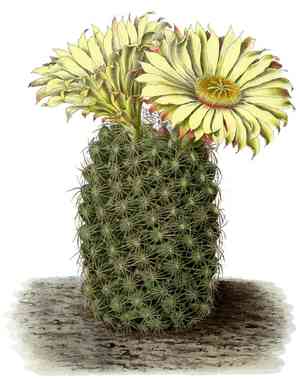
Woolly nipple cactus(Mammillaria nivosa)

Woolly nipple cactus (Mammillaria nivosa)

Also known as: Snow cactus

The woolly nipple cactus (Mammillaria mammillaris) stands out due to its small, rounded shape and tendency to form clustered groups. Its green body is adorned with dense, woolly areoles and spines that range from white to yellow or brown, providing effective protection against the harsh sun. During spring, it blooms with small, vibrant pink or red flowers, creating a striking visual against its otherwise subdued coloration.

Key adaptations include:
1. **Water Storage**: The cactus’s fleshy stems are designed to retain water, ensuring survival during dry spells.
2. **Protective Spines**: These spines offer shade and reduce water loss by minimizing air circulation around the plant.
3. **Woolly Areoles**: The woolly texture shields the cactus from extreme temperatures and excessive sunlight.
4. **Clustered Growth**: This growth pattern helps in conserving moisture and provides mutual shade among the cacti.

These features collectively enable the woolly nipple cactus to thrive in its native arid environments.

Attributes of Woolly nipple cactus

Lifespan
Perennial
Plant Type
Succulent
Plant Height
Up to 15 cm (6 inches)
Spread
Up to 30 cm (12 inches)
Leaf Color
Does not have traditional leaves; possesses spines and woolly hair
Flower Size
1-2 cm (0.4-0.8 inches)
Flower Color
White, yellow, or red

ForwardPlant - Identify plants with a snap

Identify and diagnose plants, get toxicity alerts, and explore safety guides for all types of fungi.

Try for Free

Images of Woolly nipple cactus

Woolly nipple cactus(Mammillaria nivosa)

Quickly Identify Woolly nipple cactus

1
Look for its distinctive white, woolly appearance, small tubercles, and bright, funnel-shaped flowers. It often grows in clusters.

Scientific Classification of Woolly nipple cactus

Phylum
Vascular plants
Class
Dicotyledons
Order
Caryophyllales
Family
Cactuses
Genus
Mammillaria
Species
Woolly nipple cactus

Planting and Growing of Woolly nipple cactus

Care Difficulty
Easy
Watering Schedule
Every 2 days
Sunlight Requirements
Full sun
Sunshine Duration
6-10 hours
Ideal Temperature
60-80℉
Soil Type
Potting Mix, Peat Mix
Soil pH
6.5-7.5
Fertilizer Type
Balanced
Pruning Season
Spring, Summer
Pruning Area
Branches, Leaves
Pruning Frequency
2 times a year
Repotting Season
Spring
Pot Type
Plastic, Ceramic

water icon How to Water Woolly nipple cactus?

For your Mammillaria nivosa, watering should be done sparingly. This cactus prefers to be kept relatively dry, so make sure the soil is completely dry between waterings. Apply about 50 ml of water each time, ensuring the water fully saturates the soil but doesn't leave it waterlogged. Overwatering can be more harmful than underwatering.
What are the symptoms of an underwatered Woolly nipple cactus?
What should I do if my Woolly nipple cactus is not getting enough water?
What are the symptoms of an overwatered Woolly nipple cactus?
How to save an overwatered Woolly nipple cactus?

sunlight icon What Are the Sunlight Requirements for Woolly nipple cactus?

Sunlight Requirements: Full sun, Partial sun
Duration of light: 4 to 6 hours
Partial to full sun exposure is ideal. This range allows Mammillaria nivosa to photosynthesize efficiently, resulting in robust growth and vibrant flowering.
Optimal Sunlight Hours
Solutions for Ideal Lighting
Benefits of Optimal Lighting

temperature icon What Is the Ideal Temperature Range for Woolly nipple cactus?

Ideal Temperature: 60 ~ 80℉
The ideal temperature range for Mammillaria nivosa is between 60°F and 80°F. This range promotes optimal growth and flowering for the plant, as it closely mimics its native habitat. Maintaining this temperature range ensures that the plant's physiological processes function properly, allowing it to thrive and remain healthy.

soil icon What Soil is Best for Woolly nipple cactus?

Soil type: Sandy soil, Loam
Soil PH: 6.5 ~ 7.5
Mammillaria nivosa thrives in well-draining soils to prevent waterlogging, which can lead to root rot. This requirement ensures healthy root development and promotes plant vitality by allowing adequate air circulation around the roots. This cactus prefers nutrient-poor soils, mimicking its natural habitat. Excess nutrients can cause growth abnormalities, so maintaining a lean soil profile helps the plant maintain its natural form and health. Incorporating aggregates like gravel or small stones into the soil helps enhance drainage. This composition supports the cactus's water needs while preventing moisture accumulation, crucial for its survival in captive environments.

fertilize icon How to Fertilize Woolly nipple cactus?

Fertilizer type: Balanced
For Mammillaria nivosa, a balanced cactus fertilizer diluted to half strength is ideal. Roughly 10-10-10 or 20-20-20 NPK ratios can be used. It's best to use about 5 ml of diluted liquid fertilizer per liter of water every two weeks during the growing season.

prune icon How to Prune Woolly nipple cactus?

Pruning Time: Spring, Summer
Prune during warm climates, preferably in the mornings. This timing ensures that the plant has enough daylight to recover from pruning. Avoid pruning just before frost as it can harm the cactus significantly. Focus on removing long, elongated stems or unsightly portions that disrupt the overall appeal. Make cuts at the base of the stem, ensuring you do not harm surrounding tissues. This promotes growth from healthier sections of the plant. More About Pruning Techniques

propagate icon How to Propagate Woolly nipple cactus plant?

Propagate Time: Spring, Late spring, Early spring, Summer
1
Collect seeds from a matured Mammillaria nivosa flower pod. Allow the seeds to dry for a few days before planting them in a well-draining cactus mix. It is important to sow seeds on the surface and lightly cover them.
2
Choose a healthy offshoot or stem segment from the parent cactus and use sterilized pruning shears to make a clean cut. It is vital to let the cut ends callous over a few days to prevent rot after planting.
3
Place the cut-end of the calloused cutting into a well-draining soil mix and water lightly. Ensure the soil remains slightly damp but never waterlogged, as excess moisture can lead to rot.
More About Propagating Techniques

repot icon How to Repot Woolly nipple cactus plant?

Repotting frequency: Every 2-3 years
1
Mammillaria nivosa signals its need for a new pot when its roots outgrow the current container or if the soil becomes compacted and less airy. This can often be observed by roots poking out of the drainage holes or a noticeable slowdown in growth, especially during the growing season. Repotting is ideally done in spring or summer when the plant is actively growing and can best recover from the stress of repotting.
2
Choosing the right pot for Mammillaria nivosa is crucial. A pot slightly larger than the current one with good drainage holes is ideal. Ceramic or terracotta pots are preferred as they allow better moisture evaporation, preventing root rot. Ensure the pot is shallow, as cactus roots do not grow deeply. The good fit and breathability of a properly selected pot promote healthy growth by preventing waterlogging.
3
The best soil for repotting Mammillaria nivosa is a well-draining cactus mix. This blend retains minimal moisture and mimics the plant's natural arid habitat. Adding perlite or sand is recommended to increase drainage capability. Proper soil selection prevents water retention, reducing the risk of root rot and ensuring your cactus thrives in its new home.

ForwardPlant - Identify plants with a snap

Find the best spots for them to optimize their health, simply using your phone.

Try for Free