How to Transplant Chilean tarweed?
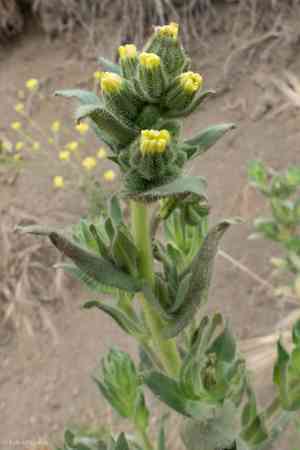
Relocate chilean tarweed when the onset of spring's warmth transitions into the subtle hints of late flowering. Place it in soil that drains effectively, exposed to full sunlight. A delicate handling aids in the roots taking hold. Nurture the initial phases of development for a thriving period.
What Preparations are Needed Before Transplanting Chilean Tarweed?
What is the Ideal Time for Transplanting Chilean Tarweed?
The optimal period to relocate chilean tarweed is during early spring, after the last frost and prior to the peak of summer. This timeframe allows chilean tarweed to establish roots while temperatures are mild and the ground begins to warm, fostering a supportive growth environment. Moving chilean tarweed at this point gives them a head start to develop a strong root system before summer's heat, maximizing their vitality and flowering potential. It's a gentle encouragement to ensure they have the best chance to flourish in your garden.
How Much Space Should You Leave Between Chilean Tarweed Plants?
When moving your chilean tarweed to its new location, aim for a spacing of approximately 6-12 inches (15-30 cm) between plants. This provides each plant ample room to thrive without competing for resources.
What is the Best Soil Mix for Chilean Tarweed Transplanting?
For your chilean tarweed, prepare a site with soil that drains effectively. Before planting, incorporate a general-purpose, slow-release fertilizer to give your chilean tarweed a nutrient-rich beginning. Simple compost also works wonderfully!
Where Should You Relocate Your Chilean Tarweed?
Your chilean tarweed loves sunlight! Locate a bright spot in your garden that receives full sun for most of the day. This sunny location will help your chilean tarweed flourish and bloom.
What Equipments Should You Prepare Before Transplantation Chilean Tarweed?
Gardening Gloves
To safeguard your hands while handling soil and plants.
Trowel
For precise digging of chilean tarweed in confined areas like pots or seedling trays.
Shovel or Spade
Needed for excavating around and lifting the plant from the ground.
Watering Can or Hose
To hydrate the plant before and after relocation.
Pruning Shears
For trimming any dead or excess foliage and roots.
How Do You Remove Chilean Tarweed from the Soil?
How Do You Remove Chilean Tarweed from the Soil?
From Ground: First, water the chilean tarweed plant to moisten the surrounding soil. Use a shovel or spade to dig a wide circle around the plant, being careful not to cut too close to the root ball. Gently slide the tool beneath the root ball and carefully lift the chilean tarweed from the ground.From Pot: Water the chilean tarweed sufficiently before transplanting. Invert the pot and gently tap its base to loosen the plant. Carefully extract the chilean tarweed while keeping the root ball intact.From Seedling Tray: Water the seedlings to make the soil damp, which assists in their removal. Use a trowel to carefully lift the chilean tarweed from the tray, ensuring full support of the root ball.
Step-by-Step Guide for Transplanting Chilean Tarweed
Preparing the New Location
Dig a hole larger than the root ball of your chilean tarweed. Loosen the soil around the hole to promote easy root expansion.
Transplanting Depth
Place the chilean tarweed in the hole so that the top of its root ball is level with the surrounding soil surface. This encourages proper rooting and plant development.
Positioning
Gently place the chilean tarweed in the center of the hole. Ensure it stands upright and is not leaning for balanced growth.
Fill the Hole
Carefully backfill the hole around the chilean tarweed with soil. Gently firm the soil down to remove air pockets without over-compacting it.
Watering
Water the chilean tarweed thoroughly after planting to settle the soil around its roots and provide essential hydration for the plant's recovery from transplant shock.
How Do You Care For Chilean Tarweed After Transplanting?
Regular Watering
Ensure the soil around the chilean tarweed remains consistently moist for several weeks post-transplant. Gradually reduce watering frequency as the plant establishes itself.
Mulching
Apply a layer of organic mulch around the base of the chilean tarweed to help retain soil moisture and minimize weed competition.
Monitoring Growth
Regularly check on the chilean tarweed to observe its progress and promptly address any issues, such as pests or diseases, that could be detrimental early on.
Pruning
Trim any damaged or dead parts of the chilean tarweed to encourage healthier, more vigorous growth.
Support Structures
If the chilean tarweed shows signs of weak or leggy stems during early growth, consider using plant supports or stakes to encourage upright development.
Troubleshooting Common Issues with Chilean Tarweed Transplantation.
How do I properly space chilean tarweed when transplanting?
Space chilean tarweed approximately 6-12 inches (15-30 cm) apart to ensure adequate room for growth.
What's the ideal transplanting season for chilean tarweed?
The best time for relocating chilean tarweed is during the mild days of early to late spring.
Why is my chilean tarweed plant wilting after transplanting?
Wilting may be due to transplant shock. Ensure soil is moist, not waterlogged, and initially protect from intense sunlight.
Can I transplant chilean tarweed in summer or fall?
It's not advised as chilean tarweed thrives when established in cooler, spring weather, avoiding summer heat or autumn frost.
How deep should I plant chilean tarweed seedlings?
Seedlings should be planted at the same depth as they were in their previous container to prevent stem rot or drying out.
What should I do if my chilean tarweed isn't growing after transplant?
Check for root-bound conditions, provide moderate watering, and ensure sufficient sunlight and nutrients to encourage growth.
How much water does chilean tarweed need post-transplant?
Water deeply but infrequently to promote strong root systems. Keep the soil consistently moist, not soggy.
Should I use fertilizer when transplanting chilean tarweed?
Wait a few weeks after transplanting before applying a balanced fertilizer to prevent burning delicate roots.
My chilean tarweed has yellow leaves after transplanting. Why?
Yellow leaves might indicate over-watering or a nutrient deficiency. Adjust watering and consider a soil supplement.
What type of soil is best for transplanting chilean tarweed?
Use well-draining soil rich in organic matter to provide the optimal environment for chilean tarweed's roots.



