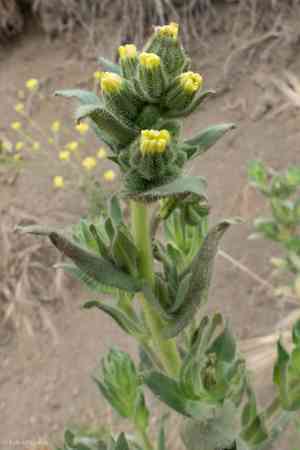
Chilean tarweed (Madia sativa)
Also known as: Madia
Chilean tarweed (Madia sativa), also known as coast tarweed, belongs to the aster family. It predominantly thrives in coastal grasslands, which aligns with its common name. This plant is native to the western regions of the Americas.
In This Article
Attributes of Chilean tarweed
Lifespan
Annual
Plant Type
Herb
Plant Height
20 cm to 1.02 m
Spread
N/A
Leaf Color
Green
Flower Size
6 mm to 1.2 cm
Flower Color
Yellow
Images of Chilean tarweed
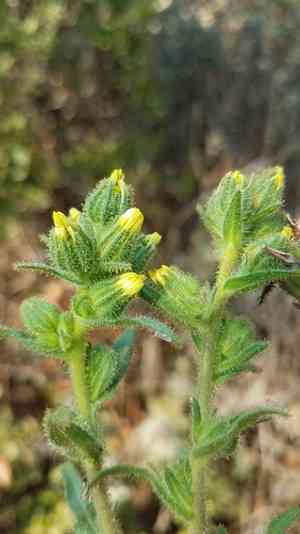
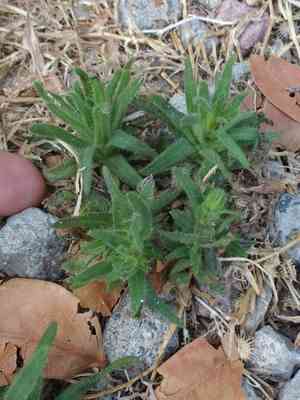
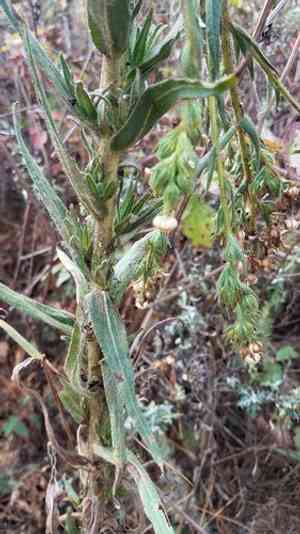
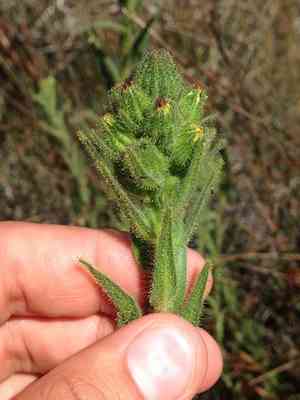
Quickly Identify Chilean tarweed
1
To identify Madia sativa, look for a plant with sticky stems and leaves covered in glandular hairs. The bright yellow flowers typically bloom in the morning and close by midday.
Scientific Classification of Chilean tarweed
Phylum
Vascular plants
Class
Dicotyledons
Order
Asterales
Family
Daisy
Genus
Tarweeds
Species
Chilean tarweed
Planting and Growing of Chilean tarweed
Care Difficulty
Easy
Watering Schedule
Every 4 days
Sunlight Requirements
Full sun
Sunshine Duration
4-6 hours
Ideal Temperature
59-77℉
Soil Type
Potting Mix, Peat Mix
Soil pH
6.5-7.5
Fertilizer Type
Balanced
Pruning Season
Spring, Summer
Pruning Area
Branches, Leaves
Pruning Frequency
2 times a year
Repotting Season
Spring
Pot Type
Terracotta, Plastic
 How to Water Chilean tarweed?
Madia sativa prefers its soil to be moderately moist. Watering with 500 ml once a week generally maintains the balance, ensuring the soil neither dries out completely nor stays too soggy.
What are the symptoms of an underwatered Chilean tarweed?
›
What should I do if my Chilean tarweed is not getting enough water?
›
What are the symptoms of an overwatered Chilean tarweed?
›
How to save an overwatered Chilean tarweed?
›
 What Are the Sunlight Requirements for Chilean tarweed?
Madia sativa ideally requires full sun to partial sun, translating to about 6-8 hours of direct sunlight daily. This range ensures optimal photosynthesis, leading to vigorous growth and maximal flowering potential, thereby enhancing its visual appeal and plant health.
Ideal Sun Exposure
›
Solution for Ideal Lighting
›
Benefits of Adequate Sunlight
›
 What Is the Ideal Temperature Range for Chilean tarweed?
The ideal temperature range for Madia sativa is between 59°F and 77°F. This range provides the optimal environment for photosynthesis and growth, ensuring that the plant can develop healthily. Temperatures within this range support the plant's physiological processes, helping to maximize its flowering and seed production capabilities.
 What Soil is Best for Chilean tarweed?
Madia sativa thrives in well-drained soils that prevent waterlogging. When soil drainability is high, the plant's roots can breathe, preventing rot and promoting healthy growth through better nutrient uptake. This plant prefers soils of moderate fertility. Overly nutrient-rich soils might lead to excessive foliage growth at the expense of flowering. A balanced nutrient profile ensures blooms while maintaining plant health. Incorporating organic matter like compost into the soil enhances its nutrient content and water retention abilities, supporting Madia sativa's growth and improving the soil structure over time.
 How to Fertilize Chilean tarweed?
For Madia sativa, it's beneficial to use a balanced fertilizer with a ratio of 10-10-10. For liquid fertilizers, mix one tablespoon per gallon of water, and ensure the soil is moist before applying.
 How to Prune Chilean tarweed?
Before pruning Madia sativa, ensure your pruning shears are clean and sharp. This prevents disease transmission and makes clean cuts without damaging the plant tissue. Start by removing any dead or diseased branches. This is crucial as it prevents the spread of disease and allows the plant to direct energy to healthier parts. Trim back overgrown stems to maintain a compact and balanced shape. This not only makes the plant look neat but also encourages even light distribution, promoting healthier growth.
More About Pruning Techniques→
 How to Propagate Chilean tarweed plant?
1
Collect seeds from mature fruit or flower heads when they are dry. Ensure that seeds are fully developed and have not been subjected to pests or disease, as this increases germination success.
2
Soak seeds in water for 24 hours to help break down the seed coat, improving germination rates. This step is optional but can benefit seeds with hard coatings.
3
Select a healthy shoot and cut a 4-6 inch section just below a node using sterilized pruning shears. This node is crucial as it is where roots are most likely to develop.
 How to Repot Chilean tarweed plant?
1
Look for signs like slowed growth, roots emerging from the drainage holes, or water sitting on top of the soil. These indicate that Madia sativa might be outgrowing its current home, making it the right time to consider repotting.
2
Choose a pot that is 1-2 sizes larger than the current one, preferably made of a breathable material like terracotta. This allows excess water to evaporate efficiently, reducing the risk of root rot, and provides ample space for root growth, ensuring plant health.
3
Opt for a well-draining sandy loam mix, enriched with organic matter. This soil type ensures adequate drainage while providing essential nutrients, promoting robust growth and reducing the chances of waterlogging or nutrient deficiency.
Learn More About Chilean tarweed Diseases
Anthracnose
Bacterial Leaf Spot
Bacterial Soft Rot
Bacterial Wilt
Cyst Nematode
Damping-off
Downy Mildew
Drought Stress
Fusarium Wilt
Gray Mold
Leaf Spot
Mosaic
Nutrient Deficiency
Nutrient Toxicity
Powdery Mildew
Root Rot
Root-knot Nematode
Rusts
Sooty Mold
Spider Mites
Temperature Stress
Thrips Damage
White Mold



