How to Transplant Common lomatium?
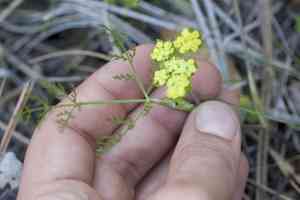
For common lomatium, the ideal period for transplanting spans from early spring through late spring, facilitating vigorous development. Select a location bathed in sunlight with soil that drains effectively. Handle these perennial plants with utmost care.
What Preparations are Needed Before Transplanting Common Lomatium?
What is the Ideal Time for Transplanting Common Lomatium?
The best time to move common lomatium is during spring's awakening. This period, from early spring's thaw to late spring's peak, provides perfect conditions for strong root growth without the stress of summer heat. Moving common lomatium then lets them benefit from cooler temperatures and spring rains, fostering their development and ensuring a smooth move to their new spot. Choose this time to help your common lomatium flourish!
How Much Space Should You Leave Between Common Lomatium Plants?
For your new common lomatium plants, maintain a comfortable distance between them. Aim for a spacing of 10-12 inches (25-30 cm). This allows each plant ample room for leaf and root expansion, ensuring they develop healthily and robustly!
What is the Best Soil Mix for Common Lomatium Transplanting?
Prepare the ground for your common lomatium by ensuring the soil drains well; a loamy type is perfect. Incorporate a mild, balanced fertilizer to give your plants a good start and the necessary nutrients to thrive immediately.
Where Should You Relocate Your Common Lomatium?
Your common lomatium loves bright conditions, so find a sunny location that receives full sun to partial shade. This means at least 4-6 hours of direct sunlight daily. A happy spot for your plants will result in a stunning display for you!
What Equipments Should You Prepare Before Transplantation Common Lomatium?
Gardening Gloves
To shield your hands while handling soil and plants.
Shovel or Spade
For digging the plant from its current spot and creating a new hole.
Watering Can or Hose
To hydrate the plant before and after moving it, minimizing transplant shock.
Pruning Shears
To trim any damaged roots or leaves prior to transplanting.
Wheelbarrow or Garden Cart
To move the common lomatium plant and soil, if needed.
Garden Trowel
For smaller transplanting tasks and more precise work around the roots.
Measuring Tape
To ensure the new hole has the correct depth and width.
How Do You Remove Common Lomatium from the Soil?
How Do You Remove Common Lomatium from the Soil?
From Ground: First, water the common lomatium plant the day before to moisten the soil. Use a shovel or spade to dig a wide circle around the plant, taking care to keep the root ball intact as much as possible. Gently slide the tool beneath the root ball and lift the plant from the ground.From Pot: Start by watering the common lomatium plant to facilitate removal. Turn the pot on its side and gently tap the bottom to loosen the plant. If it doesn't slide out easily, you might need to run a knife along the pot's inner edge. Grasp the plant by its base and carefully ease it out while supporting the root ball.From Seedling Tray: Dampen the soil to help prevent root damage. Carefully use a garden trowel or your fingers to lift the common lomatium seedling by its leaves, not the stem. Support the root ball as you separate it from the tray.
Step-by-Step Guide for Transplanting Common Lomatium
Prepare the New Location
Dig a hole that is twice as wide and as deep as the common lomatium's root ball. Amend the soil if necessary with organic matter to ensure it drains well and meets the plant's needs.
Root Preparation
Inspect the common lomatium plant's roots, trimming any broken, dead, or overly long roots with pruning shears. Gently untangle any roots that are circling the pot.
Planting
Place the common lomatium plant in the center of the new hole. Ensure the top of the root ball is level with or slightly above the surrounding soil surface to prevent water from pooling.
Refill the Hole
Backfill the hole with the removed and amended soil, gently firming it around the roots to remove air pockets without compacting it too much.
Watering
Water the common lomatium thoroughly after planting to settle the soil around the roots and help reduce transplant shock.
Stabilizing
If the common lomatium plant is top-heavy or in a windy area, use stakes or supports to stabilize it until its roots are strong enough to anchor the plant naturally.
How Do You Care For Common Lomatium After Transplanting?
Staking
If common lomatium is tall or in a windy spot, consider staking it for extra support until it's well-established.
Trimming
Prune any damaged or dead foliage to help the common lomatium focus its energy on root development.
Observing
Monitor your common lomatium for signs of transplant shock, such as wilting or leaf discoloration, and address them promptly.
Watering
Ensure consistent moisture for the common lomatium, especially in the initial weeks, without overwatering. Allow the soil to dry out slightly between waterings to encourage proper root growth.
Mulching
Apply a layer of mulch around the base of common lomatium to help retain soil moisture, regulate temperature, and reduce weed competition.
Troubleshooting Common Issues with Common Lomatium Transplantation.
Why should common lomatium be transplanted in early to late spring?
Moving common lomatium in early to late spring takes advantage of mild temperatures and moisture, which are ideal for root establishment before summer heat.
What's the ideal distance between common lomatium when transplanting?
Allow 10-12 inches (25-30 cm) between each common lomatium to provide ample growth space and prevent overcrowding.
How deep should the hole be for transplanting common lomatium?
The hole should be just deep enough to fit the root ball, ensuring the plant's base is level with the soil surface.
What soil conditions favor the successful transplanting of common lomatium?
Well-draining soil rich in organic matter creates an optimal environment for common lomatium's roots to flourish.
How much should common lomatium be watered after transplanting?
Water common lomatium thoroughly after transplanting to settle the soil around the roots, then maintain consistent moisture without overwatering.
Why is my transplanted common lomatium wilting?
Wilting after transplanting may indicate shock; provide shade and keep the soil moist to help common lomatium recover.
Can I fertilize common lomatium right after transplanting?
Wait a few weeks before fertilizing to avoid burning the delicate, adjusting roots.
What signs of transplant success should I look for in common lomatium?
New growth and healthy or revived foliage are good indicators that common lomatium is adapting well.
How to protect common lomatium from transplant shock?
Gradually acclimate common lomatium to outdoor conditions if started indoors, and transplant on a cloudy day or in the evening.
Is it okay to trim common lomatium during the transplanting process?
Prune only damaged or dead parts to reduce stress and redirect energy to root development.



