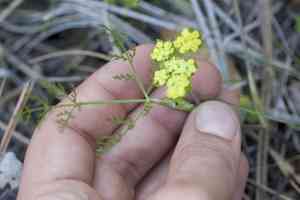
Common lomatium (Lomatium utriculatum)
Also known as: Biscuitroot, Foothill desert-parsley
Common lomatium (Lomatium utriculatum) is a perennial herb in the carrot family, native to western North America. It produces yellow flowers from early spring to summer and serves as an ornamental plant. Not only does it attract butterflies, but it also supports the larvae of various species.
In This Article
Attributes of Common lomatium
Lifespan
Perennial
Plant Type
Herb
Plant Height
15 cm to 61 cm
Spread
30 cm to 50 cm
Leaf Color
Green
Flower Size
1.5 mm
Flower Color
Yellow
Images of Common lomatium
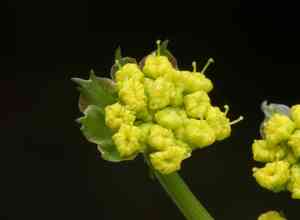
Quickly Identify Common lomatium
1
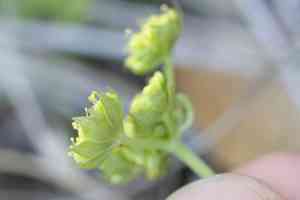
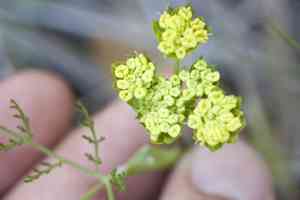
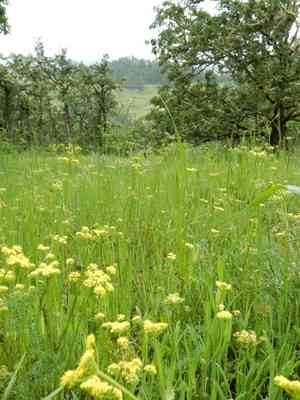
Identifying Lomatium utriculatum can involve examining its small, yellow umbrella-like flower clusters and its finely dissected, fern-like leaves. It typically inhabits grasslands and open wooded areas.
Scientific Classification of Common lomatium
Phylum
Vascular plants
Class
Dicotyledons
Order
Apiales
Family
Umbellifers
Genus
Biscuitroots
Species
Common lomatium
Planting and Growing of Common lomatium
Care Difficulty
Easy
Watering Schedule
Every 2 days
Sunlight Requirements
Full sun
Sunshine Duration
6-10 hours
Ideal Temperature
60-75℉
Soil Type
Potting Mix, Peat Mix
Soil pH
6.5-7.5
Fertilizer Type
Balanced
Pruning Season
Spring, Summer
Pruning Area
Branches, Leaves
Pruning Frequency
2 times a year
Repotting Season
Spring
Pot Type
Plastic, Ceramic
 How to Water Common lomatium?
Lomatium utriculatum thrives with moderate watering. Aim to deliver about 250 ml of water per watering session. This ensures the soil is moist but not sodden. The plant is adapted to environments that occasionally dry out, so mimic this by letting the soil dry marginally between waterings.
What are the symptoms of an underwatered Common lomatium?
›
What should I do if my Common lomatium is not getting enough water?
›
What are the symptoms of an overwatered Common lomatium?
›
How to save an overwatered Common lomatium?
›
 What Are the Sunlight Requirements for Common lomatium?
Lomatium utriculatum thrives with full or partial sun exposure. Optimal light levels promote strong growth, vibrant foliage, and prolific flowering, enhancing the plant's visual and ecological value.
More About Sunlight Requirements Techniques→
What is the best time to expose Lomatium utriculatum to sunlight?
›
How to ensure Lomatium utriculatum gets adequate sunlight?
›
What are the benefits of ideal sunlight exposure?
›
 What Is the Ideal Temperature Range for Common lomatium?
Lomatium utriculatum thrives best in temperatures ranging from 60°F to 75°F. This range provides the most conducive environment for growth without stressing the plant. It ensures that the metabolic processes remain balanced, facilitating effective nutrient absorption and photosynthesis. Maintaining this temperature range also helps prevent heat or cold stress, which can stunt plant growth or lead to dehydration.
 What Soil is Best for Common lomatium?
Lomatium utriculatum thrives in well-drained soil, preventing water accumulation around the roots. This enhances root aeration, boosts nutrient uptake, and reduces the risk of root rot. While Lomatium utriculatum prefers well-drained conditions, it requires a soil with moderate moisture. This balance ensures the plant remains hydrated without suffocating its roots. Rich nutrient soil supports the plant's growth, flowering, and overall vigor. Nutrient-rich conditions allow the plant to develop strong stems and resist pests and diseases more effectively.
 How to Fertilize Common lomatium?
For Lomatium utriculatum, a modest amount of fertilizer is recommended. Use approximately 1/4 strength of a balanced liquid fertilizer every two weeks during the growing season. When applying slow-release granules, a light scattering of about 50 grams per square meter annually should suffice.
 How to Prune Common lomatium?
Start by sterilizing your pruning tools to prevent the spread of any plant diseases. This is crucial in keeping your Lomatium utriculatum healthy and thriving. A solution of 1 part bleach to 9 parts water is effective. Begin pruning by identifying and cutting back any dead or diseased stems, this can be done at any time during Spring and Summer. Trim back the plant lightly to maintain its natural shape, making sure not to remove more than one-third of the plant's growth at a time. After pruning, water the plant generously and consider applying a light layer of mulch to help retain moisture. This ensures that the plant recovers quickly and continues to thrive after pruning.
More About Pruning Techniques→
 How to Propagate Common lomatium plant?
1
Lomatium utriculatum seeds are best collected when the seed heads turn brown and dry. Ensure that the seeds are completely dry before storage to prevent mold.
2
Prepare a well-draining potting mix and fill the seed starter trays. Ensure the soil is moist but not waterlogged to give seeds the right conditions to germinate.
3
Sow the seeds on the surface of the soil, and gently press them in to ensure good contact with the soil. Do not bury the seeds too deep; a light covering of soil will suffice.
 How to Repot Common lomatium plant?
1
Lomatium utriculatum shows it's time for repotting when the roots become dense and begin to circle the pot. This usually becomes apparent when you see reduced growth vigor or drying out more rapidly than usual. Repotting in spring or summer gives the plant ample time to adjust when it is naturally active.
2
Select a pot that is one size larger than the current one to prevent over-potting and provide space for root expansion. A pot with adequate drainage holes is crucial, allowing excess water to escape and thus preventing root rot. A well-sized pot also offers stability to the plant's growth structure.
3
A well-draining sandy soil mix ensures that Lomatium utriculatum receives the aeration it needs. Such soil prevents water from sitting at the roots, which can lead to rot. Incorporating grit or perlite can enhance the soil structure, offering the ideal environment for this species.
Learn More About Common lomatium Diseases
Anthracnose
Bacterial Leaf Spot
Bacterial Soft Rot
Bacterial Wilt
Crown Gall
Cyst Nematode
Damping-off
Downy Mildew
Drought Stress
Fusarium Wilt
Gray Mold
Leaf Spot
Mosaic
Nutrient Deficiency
Nutrient Toxicity
Powdery Mildew
Root Rot
Root-knot Nematode
Rusts
Sooty Mold
Spider Mites
Temperature Stress
Thrips Damage
White Mold



