How to Transplant Smooththroat stoneseed?
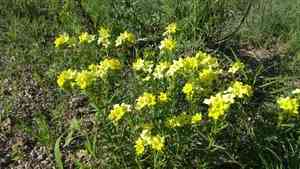
Smooththroat stoneseed flourishes when relocated from the beginning of early spring until late spring, due to the mild temperatures and elevated humidity. Provide a bright, adequately drained spot for robust development and reduced transplant stress.
Necessary Preparations Before Moving Smooththroat Stoneseed?
Optimal Period for Relocating Smooththroat Stoneseed?
Smooththroat stoneseed, a perennial plant, should ideally be moved during the 'early to late spring' window. This timing allows the plant to develop its root system before the summer heat, promoting better growth and flowering. Transplanting in this season ensures ideal soil moisture and temperature, boosting plant resilience and overall health.
Recommended Spacing Between Smooththroat Stoneseed Plants?
When planning for smooththroat stoneseed, ensure each plant is spaced approximately 12-18 inches (30-45 cm) apart. This provides ample room for development and prevents competition for resources.
Ideal Soil Blend for Smooththroat Stoneseed Relocation?
Prepare a well-draining sandy or rocky soil, enriched with organic matter to boost fertility. Incorporating a balanced base fertilizer will supply smooththroat stoneseed with the necessary nutrients for rapid establishment.
Optimal New Location for Your Smooththroat Stoneseed?
Choose a spot that receives full sunlight, as smooththroat stoneseed flourishes best in such conditions. Adequate sunlight will aid the plant in developing robust, healthy foliage and blooms.
Equipment Required Before Transplanting Smooththroat Stoneseed?
Gardening Gloves
To safeguard your hands while handling soil and plants.
Shovel or Spade
For digging the perimeter around the plant and creating the new planting site.
Hand Trowel
For more precise digging and loosening soil around the root system.
Watering Can or Hose
To hydrate the plant both before and after its relocation.
Wheelbarrow
To move the plant from its original spot to the new location.
Mulch
To help retain moisture and protect the roots post-transplant.
Method for Extracting Smooththroat Stoneseed from the Ground?
Method for Extracting Smooththroat Stoneseed from the Ground?
From Ground: First, moisten the soil around the smooththroat stoneseed plant. Then, use a shovel or spade to dig a wide trench around the plant, ensuring the root ball remains intact. Carefully work the spade beneath the root ball to lift the plant from its initial position.From Pot: Thoroughly water the smooththroat stoneseed plant. Gently invert the pot and slide the plant out, supporting the stem's base. Tap the pot's sides to loosen the soil if needed.From Seedling Tray: Lightly water the smooththroat stoneseed plant. Use a hand trowel to carefully lift the seedling from the tray, taking care to keep the root system undamaged.
Detailed Guide for Relocating Smooththroat Stoneseed
Site Preparation
Prepare the new planting area by digging a hole twice as wide and as deep as the smooththroat stoneseed's root ball. Loosen the soil at the bottom of the hole.
Soil Amendment
If needed, mix organic compost or well-rotted manure into the soil to enrich it, ensuring the hole is ready for the plant.
Plant Placement
Position the smooththroat stoneseed in the center of the hole, ensuring the top of the root ball is level with the surrounding ground. Backfill the hole with soil, gently pressing it down to eliminate air pockets.
Initial Watering
Water the plant thoroughly to help settle the soil around the roots and provide initial hydration.
Mulching
Apply a layer of mulch around the base of the smooththroat stoneseed, keeping it away from the stem to prevent rot. Mulching aids in moisture retention and soil temperature regulation.
Post-Transplant Care for Smooththroat Stoneseed?
Watering
Maintain consistent moisture in the soil around the smooththroat stoneseed, avoiding sogginess, for the first few weeks after transplanting to encourage strong root development.
Monitoring
Regularly check the plant for signs of transplant shock, such as wilting or discoloration. Provide additional care, like extra watering or shading, if necessary.
Fertilizing
Allow a few weeks before applying any fertilizer to let the plant settle. Use a balanced fertilizer to promote healthy growth.
Pruning
Remove any damaged or dead leaves to help smooththroat stoneseed direct its energy towards root establishment.
Protection
Shield the newly transplanted smooththroat stoneseed from harsh weather conditions, such as strong winds or heavy rains, to aid its safe acclimation.
Resolving Common Issues with Smooththroat Stoneseed Transplantation.
When is the best time to transplant smooththroat stoneseed?
Transplant smooththroat stoneseed from early spring to late spring for optimal growth and establishment.
What spacing is ideal when transplanting smooththroat stoneseed?
Maintain a spacing of 12-18 inches (30-45 cm) between plants for healthy growth.
How do I prepare the soil before transplanting smooththroat stoneseed?
Amend the soil with compost to ensure good drainage and nutrient availability.
How deep should I plant smooththroat stoneseed?
Plant smooththroat stoneseed at the same depth it was growing in its original container.
What type of soil does smooththroat stoneseed prefer?
Smooththroat stoneseed thrives in well-draining soil, ideally sandy or loamy with neutral pH.
Should I water smooththroat stoneseed immediately after transplanting?
Yes, water smooththroat stoneseed thoroughly after transplanting to help the roots establish.
What should I do if smooththroat stoneseed starts wilting after transplanting?
Ensure adequate watering; wilted plants may need more water to overcome transplant shock.
Is mulching beneficial for smooththroat stoneseed after transplanting?
Yes, applying mulch helps retain soil moisture and suppresses weed growth around smooththroat stoneseed.
How long does it take for smooththroat stoneseed to establish after transplanting?
Smooththroat stoneseed typically establishes within 2-3 weeks with proper care and watering.
Can I transplant smooththroat stoneseed in summer?
It's best to transplant smooththroat stoneseed in spring; summer heat can stress the plant excessively.



