How to Prune Smooththroat stoneseed?
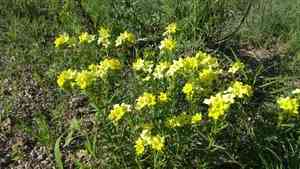
Lithospermum officinale is a robust perennial characterized by its unique tubular blossoms and elongated, pointed foliage. To preserve its form and vitality, perform trimming in late winter or early spring prior to the emergence of new shoots. Eliminate any deceased or compromised stalks and thin out dense sections to foster better air movement. This practice boosts bloom production and diminishes the likelihood of ailments. When undertaking pruning, always employ sanitized implements to avert contamination and concentrate on preserving the plant's inherent structure.
What Are the Benefits of Pruning Smooththroat Stoneseed?
What Are the Benefits of Pruning Smooththroat Stoneseed?
Trimming smooththroat stoneseed encourages robust development, maintains its form, and improves its overall look. It prevents excessive growth and fosters strong stems, decreasing vulnerability to pests and illnesses. Regular cutting also boosts flowering and contributes to an orderly garden design.
What Is the Best Time for Pruning Smooththroat Stoneseed?
What Is the Best Time for Pruning Smooththroat Stoneseed?
Pruning or trimming in early spring and late winter aligns with smooththroat stoneseed's growth cycle. During these times, the plant is in its dormant state or just about to enter a new growth phase. Pruning in late winter ensures that the plant is free of weak or dead branches before the new growth begins, while early spring pruning helps promote healthy growth and minimizes the risk of disease. These seasons are optimal as they prevent disruption of smooththroat stoneseed's flowering or fruiting periods, further ensuring the overall health and vigor of the plant.
What Tools Do I Need to Prune Smooththroat Stoneseed?
Bypass Pruners
Perfect for making clean cuts on living stems and branches, minimizing plant damage.
Anvil Pruners
Effective for cutting through dead wood efficiently, though not advised for live tissues as they can crush stems.
Pruning Shears
Excellent for precise trimming and shaping, especially useful for smaller branches and detailed tasks.
Loppers
Useful for cutting thicker stems or branches too large for pruners, ensuring clean cuts that promote healthy regrowth.
Pruning Saw
Essential for removing larger, thicker branches that pruners or loppers cannot handle. It provides a clean cut with minimal effort.
How to Prune Smooththroat Stoneseed
Assessment
Carefully examine smooththroat stoneseed to identify diseased and withered leaves. Focus on leaves showing signs of discoloration, stress, or abnormal development.
Preparation
Before trimming, clean and sterilize your pruning tools to prevent disease spread. Use a disinfectant or a solution of one part bleach to nine parts water.
Trimming Diseased Leaves
Begin with the diseased leaves. Using sharp, clean pruning shears, cut close to the base of each affected leaf, removing them completely. Avoid harming the healthy parts of smooththroat stoneseed.
Trimming Withered Leaves
Next, remove withered leaves. Gently trim these leaves back to the main stem or base, ensuring a slight angle cut to promote better healing and reduce water pooling on cuts.
Disposal
Gather all pruned material and dispose of it properly. Do not compost diseased leaves to avoid spreading pathogens back into the garden. Seal them in a bag and discard appropriately.
Common Pruning Mistakes with Smooththroat Stoneseed
Over-pruning
A frequent error is cutting back too much of the plant, which can stress smooththroat stoneseed and impede its growth.
Improper Technique
Using dull or unsuitable tools can harm smooththroat stoneseed, leading to poor healing and increased disease susceptibility.
Ignoring Dead or Diseased Parts
Failing to remove dead or diseased branches can spread pathogens and pests to healthy parts of smooththroat stoneseed.
Pruning at the Wrong Time
Timing errors, such as pruning during the plant's most vulnerable growth phase, can weaken smooththroat stoneseed.
Not Cleaning Tools
Using dirty or contaminated tools can introduce diseases to smooththroat stoneseed, so always sterilize pruning equipment.
Common Pruning Tips for Smooththroat Stoneseed
Use Sharp Tools
Ensure pruning tools are sharp and clean for precise cuts, reducing infection risk in smooththroat stoneseed.
Remove Deadwood
Start by cutting out any dead, damaged, or diseased branches to maintain smooththroat stoneseed's health and vigor.
Shape and Thin
Prune to shape smooththroat stoneseed and thin out crowded areas, allowing better air circulation and light penetration.
Cut Above a Node or Bud
Make cuts just above a node or bud to encourage healthy new growth in smooththroat stoneseed.
Sanitize Tools
Regularly disinfect pruning tools between cuts to prevent the spread of diseases to smooththroat stoneseed.
Moderate Pruning
Aim to remove no more than one-third of smooththroat stoneseed's total growth at a time to avoid stressing the plant.



