How to Transplant Water mudwort?
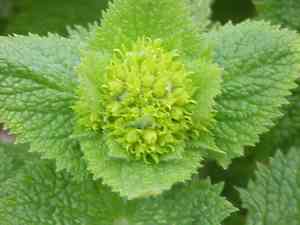
The ideal period for transplanting water mudwort spans from the revitalizing warmth of late spring through the flourishing phase of mid-summer. This timing guarantees its prosperity in adequately hydrated, sun-drenched locations. Careful manipulation is crucial for safeguarding its fragile root system during the move.
What Preparations are Needed Before Transplanting Water Mudwort?
What is the Ideal Time for Transplanting Water Mudwort?
The best time to move water mudwort is during the rise of warmth, typically from late spring into mid-summer. This period provides gentle temperatures and consistent daylight, aiding root development and growth. Relocating water mudwort then usually leads to the most successful outcomes, due to the earth's warmth and reliable moisture. Furthermore, this timing aligns with water mudwort's natural growth cycle, promoting robust development post-transplant, ensuring a strong start for the coming seasons.
How Much Space Should You Leave Between Water Mudwort Plants?
When relocating water mudwort, aim to provide each small plant ample room to thrive. A spacing of 2-4 inches (5-10 cm) is optimal, allowing their delicate root systems to expand without excessive competition.
What is the Best Soil Mix for Water Mudwort Transplanting?
For thriving water mudwort plants, prepare a bed with damp, well-draining soil rich in organic matter. Incorporating a balanced, slow-release fertilizer will give the seedlings an excellent start. Aim for a pH that is neutral to slightly acidic.
Where Should You Relocate Your Water Mudwort?
Water mudwort enjoys a good mix of sun and shade. Seek out a bright location that receives partial sunlight, and try to shield water mudwort from intense midday sun, especially if you reside in a region with very hot summers.
What Equipments Should You Prepare Before Transplantation Water Mudwort?
Gardening Gloves
To safeguard your hands while handling soil and plants.
Hand Trowel
For excavating small amounts of soil and creating holes for planting.
Watering Can
To gently hydrate water mudwort after its relocation.
Shovel or Spade
For carefully digging out water mudwort with minimal root disturbance if removing from the ground.
Bucket or Container
To transport water mudwort from its original spot to the new site.
Pruning Shears
To trim off any dead or damaged parts of water mudwort prior to transplanting.
How Do You Remove Water Mudwort from the Soil?
How Do You Remove Water Mudwort from the Soil?
From Ground: First, thoroughly water water mudwort to soak the soil. Use a shovel or spade to dig a wide trench around water mudwort, being careful not to cut the roots. Gently lift the root ball, extracting water mudwort from its previous spot.From Pot: Water water mudwort and let it drain before turning the pot on its side. Tap the sides and bottom to loosen the soil, then carefully pull water mudwort out by the base of the stem, avoiding leaves or fragile parts.From Seedling Tray: Moisten the soil in the tray. Use a hand trowel or similar tool to loosen the soil around the water mudwort seedling. Gently lift the seedling by its leaves, ensuring you support the root ball with your other hand.
Step-by-Step Guide for Transplanting Water Mudwort
Preparation
Ensure the new site is ready for water mudwort, considering its growth habit and root spread.
Hole Digging
Excavate a hole that is twice as wide and the same depth as the root ball of water mudwort.
Root Pruning
Inspect water mudwort's roots and trim any damaged or excessively long ones.
Setting the Plant
Position water mudwort in the center of the hole, making sure it stands upright. The top of the root ball should be level with the surrounding ground.
Soil Refill
Carefully backfill the hole with the removed soil, gently firming around the plant to eliminate air pockets.
Watering In
Thoroughly water water mudwort to settle the soil and provide it with the necessary hydration to begin establishing in its new location.
How Do You Care For Water Mudwort After Transplanting?
Initial Watering
Water water mudwort generously after transplanting and ensure the soil stays consistently moist for the first few weeks without overwatering.
Pruning
Snip off any dead or yellowing leaves to help water mudwort direct its energy towards new growth and root establishment.
Support
If water mudwort appears weak or delicate after transplanting, you might add a stake or other form of support to encourage upright growth.
Monitoring
Regularly check water mudwort for signs of stress, pests, or diseases and take action as needed to maintain your plant's health.
Troubleshooting Common Issues with Water Mudwort Transplantation.
When is the best time to transplant water mudwort?
The optimal period for transplanting water mudwort is from late spring to mid-summer, when temperatures are mild.
How far apart should I plant water mudwort for healthy growth?
Allow for a comfortable spacing of 2-4 inches (5-10 cm) between each water mudwort to ensure adequate room for development.
What kind of sunlight does water mudwort need post-transplant?
Water mudwort thrives in a location that receives partial to full sunlight. Choose a bright area for optimal results.
How often should I water water mudwort after transplanting?
Water gently but consistently, keeping the soil moist without waterlogging to help water mudwort establish its roots.
What should I do if water mudwort wilts after transplanting?
Ensure sufficient watering and protection from intense sunlight. Wilting often indicates stress from inadequate moisture or shock.
Why does my transplanted water mudwort show yellowing leaves?
Yellow leaves can result from overwatering or poor drainage. Ensure the soil is well-drained and not water-saturated.
Can I use fertilizer after transplanting water mudwort?
A mild dose of liquid fertilizer can be beneficial after transplanting, but avoid strong fertilizers that can harm delicate roots.
Should I prune water mudwort when transplanting?
Prune only damaged or dead leaves to encourage healthier growth without stressing water mudwort during its relocation.
How do I prepare the soil for transplanting water mudwort?
Use a mix of peat, loam, and sand for ideal soil conditions, ensuring both moisture retention and drainage.
What should I do if water mudwort doesn't flourish after transplanting?
Check for proper sunlight, moisture levels, and soil condition. Patience is key – some plants take time to adjust after transplanting.



