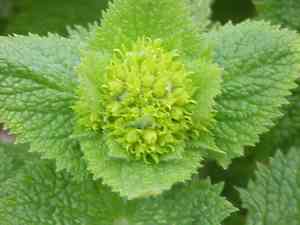
Water mudwort (Limosella aquatica)
Also known as: Awl-leaf mudwort, Awl-leaved mudwort
Water mudwort is a semiaquatic plant resembling moss, commonly found in temperate regions. It features a low-growing, creeping habit, creating carpets around water bodies like ponds, bogs, lakes, and cattle tanks. This small, often overlooked plant is rare and is considered vulnerable or protected in certain areas.
In This Article
Attributes of Water mudwort
Lifespan
Annual, Perennial
Plant Type
Herb
Plant Height
2.5 cm to 10 cm
Spread
NA
Leaf Color
Green
Flower Size
2 mm
Flower Color
White
Images of Water mudwort
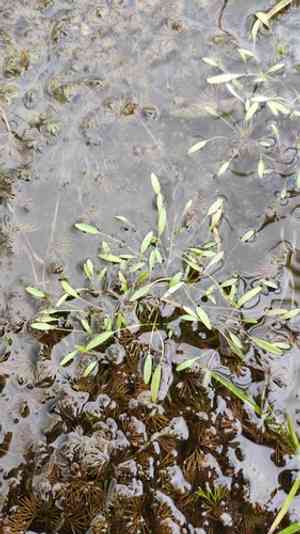
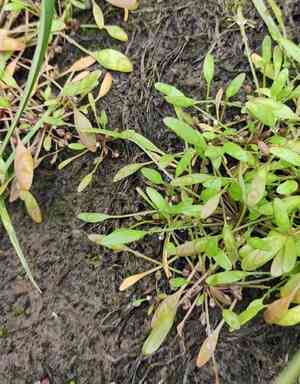
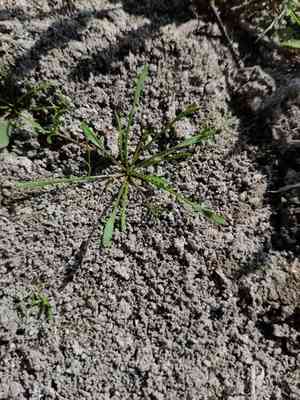
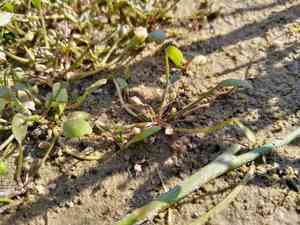
Quickly Identify Water mudwort
1
Look for small, linear leaves growing in a rosette pattern. The flowers are tiny, with five petals, and are often pale in color. The plant typically grows in mud or shallow water.
Scientific Classification of Water mudwort
Phylum
Vascular plants
Class
Dicotyledons
Order
Lamiales
Family
Figwort
Genus
Mudworts
Species
Water mudwort
Planting and Growing of Water mudwort
Care Difficulty
Easy
Watering Schedule
Every 8 days
Sunlight Requirements
Full sun
Sunshine Duration
4-6 hours
Ideal Temperature
60-75℉
Soil Type
Potting Mix, Peat Mix
Soil pH
6.5-7.5
Fertilizer Type
Balanced
Pruning Season
Spring, Summer
Pruning Area
Branches, Leaves
Pruning Frequency
2 times a year
Repotting Season
Spring
Pot Type
Plastic, Ceramic
 How to Water Water mudwort?
Limosella aquatica thrives in consistently moist conditions. It is essential to maintain a wet substrate, ensuring that it never dries out completely. Aim to saturate the soil so it feels thoroughly soaked without being waterlogged, as the plant's natural habitat is typically water-abundant areas.
What are the symptoms of an underwatered Water mudwort?
›
What should I do if my Water mudwort is not getting enough water?
›
What are the symptoms of an overwatered Water mudwort?
›
How to save an overwatered Water mudwort?
›
 What Are the Sunlight Requirements for Water mudwort?
Limosella aquatica does best with 3 to 6 hours of light daily, ideally combining morning sun with dappled afternoon light. This range supports optimal photosynthetic activity and promotes healthy stem and leaf development.
More About Sunlight Requirements Techniques→
What is the optimal light exposure for Limosella aquatica?
›
How can I ensure this plant receives ideal lighting?
›
What benefits does ideal lighting bring to Limosella aquatica?
›
 What Is the Ideal Temperature Range for Water mudwort?
The ideal temperature range for Limosella aquatica is between 60°F and 75°F. This range supports the plant's physiological processes optimally, allowing for active growth and reproduction. Inside this range, enzymatic activities and photosynthesis proceed smoothly, contributing to the plant’s overall health and vitality.
 What Soil is Best for Water mudwort?
Limosella aquatica thrives in soils that can retain moisture without becoming waterlogged. The plant's aquatic nature means that consistent moisture is crucial for its growth. Sandy loam or peat soil ensures the right balance of moisture retention, preventing the soil from drying out and ensuring vibrant and healthy plant growth. This plant prefers nutrient-rich soil that provides essential nutrients. A fertile substrate supports robust growth and vibrant foliage, making sandy loam or peat soil filled with organic matter an excellent choice. Regular addition of organic matter can help maintain the necessary nutrient levels. Good soil aeration is vital for Limosella aquatica, helping roots to breathe and stay healthy. Loose soils like sandy loam allow air to circulate freely around the roots, promoting strong growth and reducing the risk of root rot. Adequate aeration supports optimal water absorption and root expansion.
 How to Fertilize Water mudwort?
For Limosella aquatica, it's important to use a balanced liquid fertilizer, typically at a dilution rate of 1/4 strength compared to the recommended dose for houseplants. This helps avoid nutrient burn and ensures the plant receives the correct amount without overwhelming it.
 How to Prune Water mudwort?
Start by identifying any overgrown, dead, or damaged stems. These are priority targets for pruning, as removing them will help the plant conserve energy for healthier growth. For best results, make your cuts at a 45-degree angle. This technique allows water to run off the cut surface, reducing the likelihood of rot setting in and promoting proper healing. Collect and dispose of all clippings properly to prevent any potential spread of disease. Leaving debris in the water can create a breeding ground for bacteria that could harm the plant.
More About Pruning Techniques→
 How to Propagate Water mudwort plant?
1
Fill a seed tray with a well-draining potting mix. Ensure the mixture is lightly compacted and moisten it before sowing the seeds. This provides a stable bed for germination and prevents seeds from sinking or being washed away.
2
Scatter Limosella aquatica seeds thinly across the surface of the prepared soil. Do not bury them too deep; a light sprinkle of soil may be added on top if necessary. Ensure the seeds have good soil contact to facilitate germination.
3
Place the seed tray in a warm, well-lit area but away from direct sunlight. Maintain consistent moisture using a spray bottle, keeping the soil evenly moist but not waterlogged. Covering with a clear plastic cover can help retain humidity and warmth.
 How to Repot Water mudwort plant?
1
Limosella aquatica should be repotted when you notice the roots beginning to outgrow their current container, or if the soil begins to retain too much water or compact significantly. These are clear signals that it's time to move to a new pot, allowing the plant to continue to thrive with ample space and fresh soil.
2
Select a pot that is slightly larger than the current one, with adequate drainage holes at the base. A pot that is too large may retain excessive moisture, leading to root rot. The right size pot facilitates healthy root development by providing just the right amount of space for growth and prevents overwatering issues.
3
Opt for a moisture-retentive sandy soil that mimics the plant's natural habitat. This type of soil holds sufficient moisture without waterlogging, ensuring healthy root aeration. The right soil mix supports vigorous plant growth by balancing water retention and drainage.



