How to Transplant Bolander's lily?
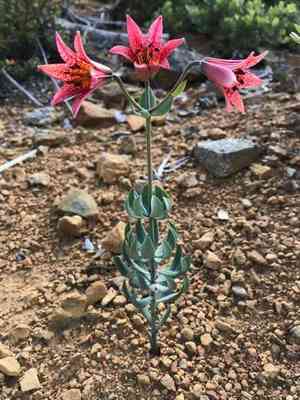
Bolander's lily flourishes when relocated in the lively mid to late spring, allowing the plant to benefit from the warming earth and advantageous growing circumstances. Provide a sun-drenched spot with soil that drains effectively; brief periods of shade could be advantageous.
What Preparations are Needed Before Transplanting Bolander's Lily?
What is the Ideal Time for Transplanting Bolander's Lily?
Bolander's lily, a perennial, thrives when moved between early and late spring. This timing allows bolander's lily to establish roots in cool, moist soil before summer heat, ensuring better growth and blooming. Spring transplanting also aligns with bolander's lily's natural growth cycle, minimizing stress and promoting a stronger, healthier plant.
How Much Space Should You Leave Between Bolander's Lily Plants?
When relocating bolander's lily, it's best to space them 12-18 inches (30-45 cm) apart. This provides ample room for growth and ensures good air circulation.
What is the Best Soil Mix for Bolander's Lily Transplanting?
Prepare well-draining soil, enriched with compost or aged manure. If necessary, incorporate a balanced base fertilizer to support healthy growth for bolander's lily.
Where Should You Relocate Your Bolander's Lily?
Select a site that receives full sun, approximately 6-8 hours daily. If full sun is unavailable, ensure at least partial sunlight to keep bolander's lily healthy and thriving.
What Equipments Should You Prepare Before Transplantation Bolander's Lily?
Gardening Gloves
To safeguard your hands while working with the soil and plant.
Trowel
For digging small holes and relocating the plant.
Shovel or Spade
For excavating larger holes and trenches if required.
Watering Can or Hose
To hydrate the plant and soil.
Mulch
To help retain moisture and inhibit weed growth around the new planting site.
Stakes and Twine
To provide support for the plant if it is tall or leggy.
Wheelbarrow or Gardening Container
To transport the plant if it is large or needs to be moved some distance.
How Do You Remove Bolander's Lily from the Soil?
How Do You Remove Bolander's Lily from the Soil?
From Ground: First, water the bolander's lily plant to moisten the soil. Then, dig a wide trench around the plant using a shovel or spade, ensuring the plant's root ball remains intact. Carefully work the spade under the root ball to lift the plant from its original location.From Pot: Water the bolander's lily plant to keep the roots moist. Gently tap the sides of the pot to loosen the soil. Carefully invert the pot, supporting the plant with your hand, and slide the plant out of the pot.From Seedling Tray: Water the seedlings in the tray before transplanting. Use a trowel or small tool to carefully lift the seedling out, ensuring you get as much of the root system as possible. Handle the seedlings by the leaves to avoid damaging the delicate stems.
Step-by-Step Guide for Transplanting Bolander's Lily
Site Preparation
Choose a location with adequate sunlight and space for your bolander's lily plant to reach its mature size. Prepare the soil by loosening it and removing any weeds or debris.
Digging the New Hole
Excavate a hole in the new location that is at least twice as wide and slightly deeper than the root ball of the bolander's lily plant.
Transplanting the Plant
Gently place the bolander's lily plant into the hole. Position the plant so it sits at the same depth as it was in its original location. Fill in around the root ball with soil, pressing firmly to eliminate any air pockets.
Watering
Thoroughly water the bolander's lily plant after planting to help settle the soil around the roots.
Applying Mulch
Apply a layer of mulch around the base of the bolander's lily plant to help retain moisture and suppress weeds.
How Do You Care For Bolander's Lily After Transplanting?
Watering
Keep the soil around the bolander's lily consistently moist, but not waterlogged, for the first few weeks after transplanting to help establish strong roots.
Mulching
Reapply mulch as needed to maintain a 2-3 inch layer around the plant to conserve moisture and reduce weed growth.
Staking
If the bolander's lily plant is tall or tends to fall over, use stakes and twine to support it until it is firmly established.
Monitoring
Keep an eye out for any signs of stress, such as wilting or discoloration, and address promptly. Ensure the plant is getting sufficient water and adjust care as needed.
Troubleshooting Common Issues with Bolander's Lily Transplantation.
When is the best time to transplant bolander's lily?
Relocate bolander's lily from early spring to late spring for optimal growth and establishment.
How much spacing should be given when transplanting bolander's lily?
Space bolander's lily 12-18 inches (30-45 cm) apart to allow ample room for growth.
How should I prepare the soil for transplanting bolander's lily?
Ensure the soil is well-drained and rich in organic matter before transplanting bolander's lily.
How deep should I plant bolander's lily bulbs?
Plant bolander's lily bulbs 6 inches (15 cm) deep for proper root development.
What should I do if bolander's lily shows transplant shock?
Water thoroughly and provide shade to help bolander's lily recover from transplant shock.
How frequently should I water bolander's lily after transplanting?
Water bolander's lily consistently, keeping the soil moist but not waterlogged in the initial weeks.
Can I transplant bolander's lily in fall?
Avoid transplanting bolander's lily in fall; early to late spring is ideal for best results.
What fertilizer should I use after transplanting bolander's lily?
Use a balanced, slow-release fertilizer to support bolander's lily's growth after transplanting.
How to handle bolander's lily's roots during transplanting?
Handle bolander's lily's roots gently to prevent damage and support successful transplantation.
What should the planting location be like for bolander's lily?
Choose a sunny to partially shaded spot with well-drained soil for transplanting bolander's lily.



