How to Transplant Siskiyou lewisia?
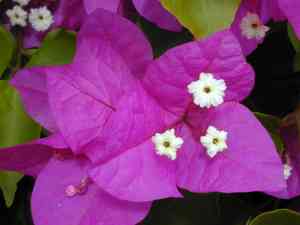
For siskiyou lewisia, the most favorable period for relocation is during its active development phase, specifically from mid-spring to late spring. Select a site that offers superior water drainage and receives partial sunlight. Should it be necessary, enrich the soil beforehand with organic material.
What Preparations are Needed Before Transplanting Siskiyou Lewisia?
What is the Ideal Time for Transplanting Siskiyou Lewisia?
For siskiyou lewisia, the optimal period for relocation is typically mid to late spring. This timing allows siskiyou lewisia to establish its root system prior to the summer heat. Moving it during this season leverages spring's mild temperatures and consistent natural irrigation from seasonal rains, which promotes robust root development. By selecting these months, you provide siskiyou lewisia with a strong foundation, ensuring it can flourish and display its full beauty in your garden. Furthermore, the gentle weather conditions minimize transplant shock, setting the stage for optimal growth and blooming.
How Much Space Should You Leave Between Siskiyou Lewisia Plants?
For siskiyou lewisia, ensure plants are spaced approximately 6-12 inches (15-30 cm) apart. This will provide adequate room for the plant to develop without crowding or shading one another. Remember, proper spacing is crucial for plant health.
What is the Best Soil Mix for Siskiyou Lewisia Transplanting?
A well-draining, sandy soil is perfect for siskiyou lewisia. Before planting, incorporate some foundational fertilizer (compost or a slow-release type works wonderfully) to give your plants a nutritional boost! Happy planting!
Where Should You Relocate Your Siskiyou Lewisia?
Selecting a suitable site for siskiyou lewisia is essential. Locate an area that receives full sun for the majority of the day. The more sunlight it receives, the more content your plant will be. Remember, sunlight is vital for healthy growth.
What Equipments Should You Prepare Before Transplantation Siskiyou Lewisia?
Gardening Gloves
To protect your hands while working with soil and the siskiyou lewisia plant.
Gardening Shovel or Spade
For carefully excavating the plant from its original spot without harming the root ball.
Pruning Shears
To delicately trim any unhealthy or excessive roots, and smaller portions of the plant.
Wheelbarrow
To move the siskiyou lewisia plant from its initial location to its new position.
Watering Can
To hydrate the plant before and after transplanting, and to moisten the soil.
Garden Trowel
To create the planting hole for the new site of the siskiyou lewisia plant.
How Do You Remove Siskiyou Lewisia from the Soil?
How Do You Remove Siskiyou Lewisia from the Soil?
From Ground: First, water the siskiyou lewisia plant to dampen the soil. Next, dig a wide circle around the plant using a shovel or spade. Ensure the plantâs root ball remains intact. Gently work the spade beneath the root ball to lift the plant from its initial spot.From Pot: Begin by watering the plant. This reduces stress for the plant and helps keep the root ball together. Invert the pot and tap it lightly to release the plant. Avoid pulling the plant out by its stem to prevent unnecessary damage.From Seedling Tray: Water the tray to soften the soil. Gently push the base of the plantâs cell to lift the plant and its root ball out of the tray. Handle the plant by its leaves rather than its stem.
Step-by-Step Guide for Transplanting Siskiyou Lewisia
Preparation
The transplant hole should be twice as wide and as deep as the root ball of your siskiyou lewisia. This provides its roots ample space to spread and grow.
Root Checking
Inspect the root ball and trim any damaged or excessively long roots. A robust root system encourages better growth.
Placement
Position the siskiyou lewisia in the hole. Ensure it is at the same depth as it was in its previous location.
Backfill
Gently fill the hole with soil, firming it down as you go. This should be done carefully to prevent air pockets.
Watering
Thoroughly water the siskiyou lewisia plant immediately after transplanting.
How Do You Care For Siskiyou Lewisia After Transplanting?
Watering
Keep the soil slightly moist during the initial weeks post-transplant. Excessive watering can lead to root rot. Conversely, dry soil can cause roots to dehydrate and the plant to wilt.
Monitor
Observe the siskiyou lewisia after transplanting. If you notice wilting or yellowing leaves, it may indicate transplant shock. In such a case, provide shade and consistent watering to aid its recovery.
Seasonal Care
Depending on the season of transplantation, appropriate care should be taken. If transplanted in a warmer season, consider providing temporary shade for the siskiyou lewisia plant.
Troubleshooting Common Issues with Siskiyou Lewisia Transplantation.
When is the best season to transplant siskiyou lewisia?
Ideally, siskiyou lewisia should be transplanted from late spring to early autumn. This allows the plant ample time to become established.
What is the ideal spacing for transplanting siskiyou lewisia?
For healthy development, siskiyou lewisia should ideally be spaced 6-12 inches (15-30 cm) apart. This provides sufficient room for roots to expand.
What is the best soil type for siskiyou lewisia when transplanting?
Siskiyou lewisia thrives best in well-drained soil. Heavy or compacted soils should be avoided for optimal results.
What care should I take while transplanting siskiyou lewisia to avoid shock?
To prevent transplant shock, water siskiyou lewisia deeply the day before transplanting. During the process, handle it gently and minimize root exposure to the air.
How should I water siskiyou lewisia post-transplanting?
After transplanting siskiyou lewisia, water it deeply but infrequently. The goal is to encourage roots to seek moisture deep in the ground, strengthening its root system.
Should siskiyou lewisia be pruned before or after transplanting?
Siskiyou lewisia does not typically require extensive pruning before transplanting. However, any dead or diseased parts of the plant should be removed to promote healthy growth.
What fertilizers work best for siskiyou lewisia after transplanting?
Siskiyou lewisia responds well to a balanced liquid fertilizer once it's settled in its new location. Avoid heavy feeding; small, frequent applications are more beneficial.
How much sun does siskiyou lewisia need after being transplanted?
Siskiyou lewisia grows best in areas with full sun or partial shade. Too much shade can result in poor flowering and leggy growth.
What should I do if siskiyou lewisia shows signs of stress after transplanting?
If siskiyou lewisia exhibits stress, such as wilting or yellowing leaves, provide it with ample water. If the issue persists, consider relocating it to a shadier spot.
Can I transplant siskiyou lewisia with blooming flowers?
It's best to transplant siskiyou lewisia when it's dormant. If possible, avoid transplanting when it is flowering to ensure the plant focuses its energy on root development.



