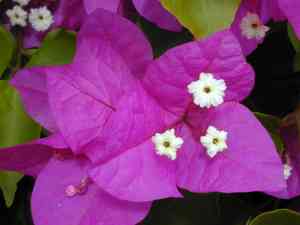
Siskiyou lewisia (Lewisia cotyledon)
Also known as: Howell's lewisia
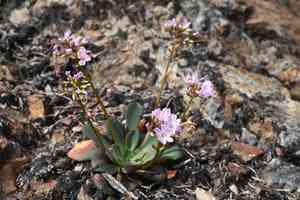
Siskiyou lewisia is a low-growing plant known for its attractive spoon-shaped, fleshy leaves arranged in a rosette. It produces stunning, colorful funnel-shaped flowers that bloom in late spring and summer. This species thrives on rocky slopes and cliffs in the northwestern United States. The name Siskiyou lewisia honors Meriwether Lewis, the famous explorer from the Lewis and Clark Expedition.
In This Article
Attributes of Siskiyou lewisia
Lifespan
Perennial, Annual
Plant Type
Herb
Plant Height
10 cm to 30 cm
Spread
30 cm
Leaf Color
Green
Flower Size
2.5 cm
Flower Color
White Pink Yellow Orange Red Purple
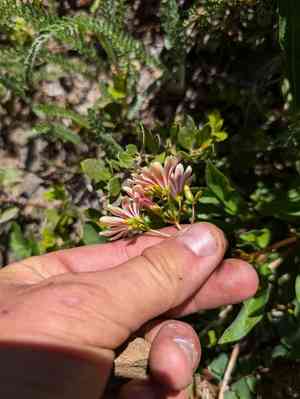
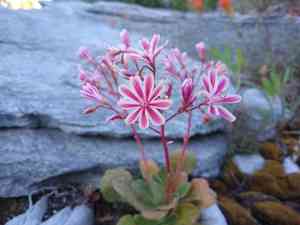
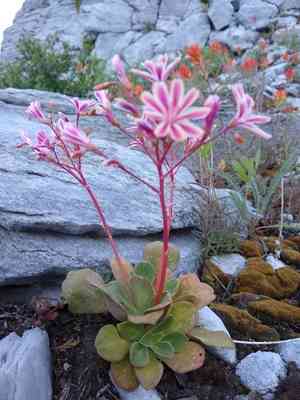
Images of Siskiyou lewisia
Quickly Identify Siskiyou lewisia
1
Look for a rosette of spoon-shaped, succulent leaves with pointed tips. The flowers are typically borne on tall, slender stems and can vary greatly in color, including shades of pink, white, yellow, and orange.
Scientific Classification of Siskiyou lewisia
Phylum
Vascular plants
Class
Dicotyledons
Order
Caryophyllales
Family
Pussypaw
Genus
Lewisia
Species
Siskiyou lewisia
Planting and Growing of Siskiyou lewisia
Care Difficulty
Easy
Watering Schedule
Every 4 days
Sunlight Requirements
Partial sun
Sunshine Duration
4-8 hours
Ideal Temperature
60-70℉
Soil Type
Potting Mix, Peat Mix
Soil pH
6.5-7.5
Fertilizer Type
Balanced
Pruning Season
Spring, Summer
Pruning Area
Branches, Leaves
Pruning Frequency
2 times a year
Repotting Season
Spring
Pot Type
Plastic, Ceramic
 How to Water Siskiyou lewisia?
Lewisia cotyledon should be watered with about 200ml of water each time. It is crucial to ensure that water reaches the root zone without soaking the soil completely. A general rule is to water thoroughly but allow the topsoil to dry out between watering to prevent root rot.
More About Watering Techniques→
What are the symptoms of an underwatered Siskiyou lewisia?
›
What should I do if my Siskiyou lewisia is not getting enough water?
›
What are the symptoms of an overwatered Siskiyou lewisia?
›
How to save an overwatered Siskiyou lewisia?
›
 What Are the Sunlight Requirements for Siskiyou lewisia?
Lewisia cotyledon prefers partial sun, thriving in an environment with dappled or morning sunlight. This balance helps maintain its vivid color and prevents damage, promoting healthy flowering and lush foliage.
More About Sunlight Requirements Techniques→
How much sunlight does it need?
›
Is full sun harmful to it?
›
How can I increase its sun exposure if needed?
›
 What Is the Ideal Temperature Range for Siskiyou lewisia?
Lewisia cotyledon thrives best in temperatures ranging from 60°F to 70°F. This range allows the plant to photosynthesize efficiently and maintain optimal metabolic functions necessary for flowering and growth.
 What Soil is Best for Siskiyou lewisia?
Lewisia cotyledon thrives in soil that offers excellent drainage. It's vital as waterlogged soil can lead to root rot, detrimental to this plant. Well-draining soils mimic their native mountain environments, helping them absorb nutrients without excessive moisture. This plant benefits from nutrient-rich soil that supports its vigorous growth and blooming capacity. A soil enriched with organic matter or general-purpose plant food every few weeks during the growing season can supply essential nutrients for vibrant flower colors. The plant demands well-aerated soil, which is crucial for root health and nutrient absorption. Aeration ensures that roots have access to oxygen and can prevent compaction, thus fostering robust growth and resilience.
More About Soil→
 How to Fertilize Siskiyou lewisia?
For Lewisia cotyledon, apply liquid fertilizer at half the recommended strength for general houseplants. This ensures that the nutrient requirements are met without overwhelming the plant, especially given its sensitivity to excessive fertilization.
 How to Prune Siskiyou lewisia?
Inspect the plant regularly for dead or wilted leaves. Gently snip these away at the base, encouraging new growth and preventing fungal infections. Once the vibrant blooms of Lewisia cotyledon fade, cut back the flower stalks. This diverts energy back to the plant, promoting robust leaf growth and future flowering.
More About Pruning Techniques→
 How to Propagate Siskiyou lewisia plant?
1
Ensure the soil mixture is well-draining and rich in organic material. A suitable mix can be created by combining equal parts of sand, peat, and perlite. Providing a nutrient-rich and airy environment encourages root development in newly propagated plants.
2
Scatter the seeds evenly on the surface of the seed tray filled with prepared soil. It's crucial to gently press the seeds into the soil but do not bury them deeply, as they need light to germinate. After sowing, water the seeds lightly to keep the soil moist.
3
Carefully dig up mature Lewisia cotyledon plants. Use a sharp knife or pruning shears to divide the root clumps gently. Make sure each division consists of a section of roots and at least one healthy shoot. Replant each section into separate pots filled with appropriate soil mix.
 How to Repot Siskiyou lewisia plant?
1
Repotting Lewisia cotyledon is optimal when you notice growth is stunted, roots are tightly bound, or waterlogging occurs. These are clear signals that your plant needs a new home to thrive. In spring and autumn, the plant is less stressed, making it the perfect time to refresh its environment with a new pot and fresh soil.
2
Opt for a pot that is slightly larger than the current one with adequate drainage holes. The pot should allow for minimal movement but enough room for the roots to expand over the next couple of years. This ensures the plant doesn't sit in water and reduces the risk of root rot, promoting healthier growth.
3
Select a well-draining sandy soil mix to replicate the plant's natural rocky habitat. Avoid heavy soils that retain water as they can lead to root rot. A good mix optimizes aeration around the roots while ensuring excess water flows away quickly, keeping the plant healthy.
Learn More About Siskiyou lewisia Diseases
Anthracnose
Bacterial Leaf Spot
Bacterial Soft Rot
Crown Gall
Cyst Nematode
Damping-off
Downy Mildew
Drought Stress
Fusarium Wilt
Gray Mold
Leaf Spot
Mosaic
Nutrient Deficiency
Nutrient Toxicity
Powdery Mildew
Root Rot
Root-knot Nematode
Sooty Mold
Spider Mites
Temperature Stress
Thrips Damage
White Mold



