How to Transplant Southern pepperwort?
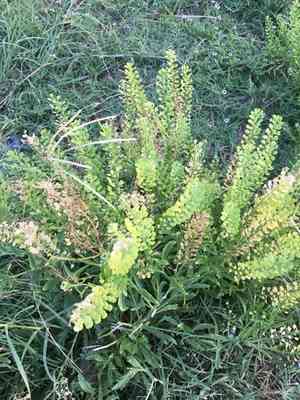
Southern pepperwort ought to be relocated from early spring until its peak for the most favorable root development. Select a bright location with soil that drains effectively, ensuring a gradual adjustment. No additional advice is necessary.
Essential Preparations Before Relocating Southern Pepperwort?
Optimal Period for Moving Southern Pepperwort?
Southern pepperwort, an annual, thrives when moved from early to late spring. This timeframe provides ideal soil warmth and moisture, crucial for strong root development. Transplanting then ensures the plant benefits from the entire upcoming growing season, maximizing its growth and potential yield.
Recommended Spacing Between Southern Pepperwort Plants?
When relocating southern pepperwort, aim for a 6-12 inch (15-30 cm) gap between each plant. This provides ample room for growth and guarantees sufficient air circulation.
Best Soil Blend for Southern Pepperwort Relocation?
For southern pepperwort, prepare soil that drains well and is mixed with organic compost. A balanced 10-10-10 base fertilizer can also be advantageous to give young plants a healthy start.
Where to Replant Your Southern Pepperwort?
Ensure southern pepperwort is moved to a location that receives at least 6 hours of direct sunlight daily. They flourish best in bright, sunny environments.
Tools Required Before Moving Southern Pepperwort?
Gardening Gloves
To safeguard your hands while handling soil and plants.
Shovel or Spade
For digging and loosening the earth around the plant.
Trowel
For detailed tasks and assisting with transfers from pots or trays.
Watering Can
To hydrate the plant before and after its relocation.
Pruning Shears
To trim any damaged roots or stems during the transfer.
Garden Fork
To aerate soil and aid in extracting plants from the ground.
How to Extract Southern Pepperwort from the Ground?
How to Extract Southern Pepperwort from the Ground?
From Ground: First, moisten the soil around the southern pepperwort plant by watering it. Then, use a shovel or spade to dig a wide trench around the plant, ensuring the root ball remains intact. Carefully work the spade beneath the root ball to lift the plant from its original spot.From Pot: Thoroughly water the southern pepperwort plant to loosen the soil. Gently grasp the plant's base and tap the pot to dislodge it. If needed, run a trowel along the pot's rim to free the plant. Carefully slide the plant out, keeping the root ball whole.From Seedling Tray: Water the seedlings to dampen the soil. Use a trowel or your fingers to gently lift each seedling from the tray, attempting to retain as much soil with the roots as possible. Handle seedlings by their leaves to avoid harming delicate stems.
Detailed Guide for Relocating Southern Pepperwort
Preparation
Prepare the new site by digging a hole slightly larger than the plant's root ball. Ensure the hole is deep enough so the plant sits at the same soil level as its previous location.
Root Examination
Inspect the roots of the southern pepperwort plant. If you find any damaged or excessively long roots, trim them with pruning shears.
Soil Amendment
Add any necessary soil enrichments to the hole to provide the plant with a nutrient-rich environment for growth.
Relocation
Carefully place the southern pepperwort plant into the hole, making sure the root ball is level with the soil surface. Backfill the hole with soil, gently pressing it down around the plant to remove air pockets.
Hydration
Thoroughly water the relocated southern pepperwort plant to help settle the soil and initiate root establishment in its new spot.
Post-Relocation Care for Southern Pepperwort?
Watering
Keep the soil around the southern pepperwort consistently damp, but not waterlogged, for the initial weeks after relocation to aid in strong root development.
Mulching
Apply a layer of mulch around the base of the southern pepperwort to retain moisture and stabilize soil temperature.
Observation
Regularly check the plant for signs of distress, such as wilting or yellowing leaves, and adjust care as necessary.
Trimming
If required, prune any damaged or leggy growth to encourage healthy new development.
Resolving Common Issues with Southern Pepperwort Relocation.
When is the best time to move southern pepperwort?
Relocate southern pepperwort from early spring to late spring for optimal outcomes.
What is the correct spacing for planting southern pepperwort?
Space each southern pepperwort plant 6-12 inches (15-30 cm) apart for ideal growth.
How should I prepare the soil for southern pepperwort?
Ensure the soil is well-draining and rich in organic matter before moving southern pepperwort.
How can I prevent transplant shock in southern pepperwort?
Water southern pepperwort thoroughly and keep roots moist during relocation to minimize shock.
What should I do if southern pepperwort wilts after transplanting?
Water the plant deeply and provide shade to help southern pepperwort recover from wilting.
How deep should I plant southern pepperwort seedlings?
Plant southern pepperwort seedlings at the same depth they were in their original containers.
Can I transplant southern pepperwort on a windy day?
Avoid moving southern pepperwort on windy days to prevent damage and stress to the plants.
How often should I water southern pepperwort after transplanting?
Water southern pepperwort gently but consistently, ensuring the soil remains moist but not waterlogged.
Is mulching beneficial for newly transplanted southern pepperwort?
Yes, mulching around southern pepperwort helps retain moisture and suppress weeds.
Should I fertilize southern pepperwort immediately after transplanting?
Wait a few weeks before fertilizing southern pepperwort to allow them to settle into their new location.



