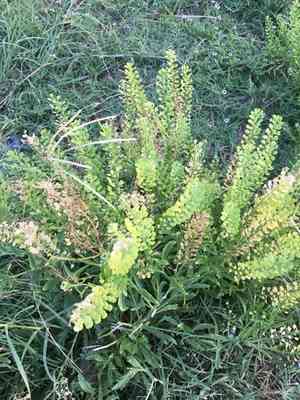
Southern pepperwort (Lepidium austrinum)
Also known as: Southwestern Pepperweed
The southern pepperwort is mainly located in the southern United States, particularly in Texas and Oklahoma, as well as in Mexico. Due to their tendency to self-seed, these plants can be seen as invasive. To prevent their spread, it's advisable to remove the spent flowers annually.
In This Article
Attributes of Southern pepperwort
Lifespan
Annual
Plant Type
Herb
Plant Height
20 to 60 cm
Spread
Approx. 20 to 30 cm
Leaf Color
Green
Flower Size
1 to 2 mm
Flower Color
White
Images of Southern pepperwort
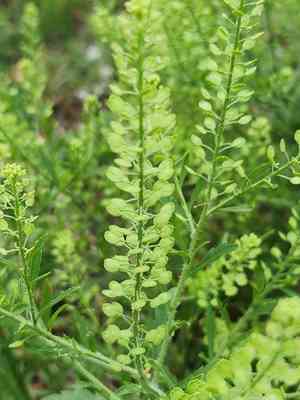
Quickly Identify Southern pepperwort
1
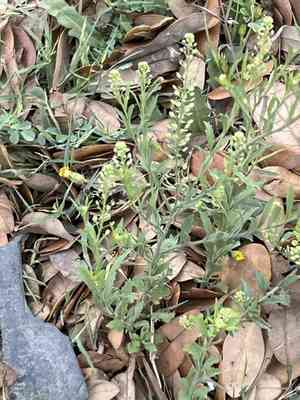
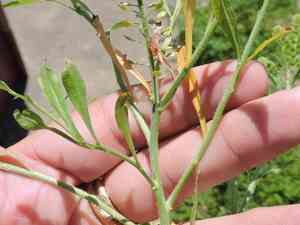
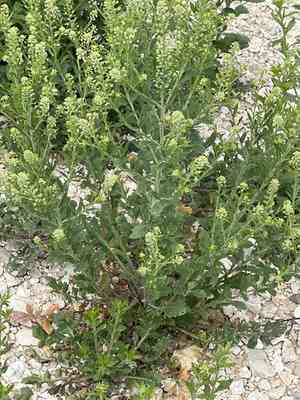
This plant can be identified by its small, white flowers arranged in dense clusters and its linear to lanceolate leaves. The stems tend to be slender and glabrous.
Scientific Classification of Southern pepperwort
Phylum
Vascular plants
Class
Dicotyledons
Order
Brassicales
Family
Cruciferae
Genus
Peppercresses
Species
Southern pepperwort
Planting and Growing of Southern pepperwort
Care Difficulty
Moderate
Watering Schedule
Every 3 days
Sunlight Requirements
Partial sun
Sunshine Duration
6-10 hours
Ideal Temperature
60-75℉
Soil Type
Potting Mix, Peat Mix
Soil pH
6.5-7.5
Fertilizer Type
Balanced
Pruning Season
Spring, Summer
Pruning Area
Branches, Leaves
Pruning Frequency
2 times a year
Repotting Season
Spring
Pot Type
Plastic, Ceramic
 How to Water Southern pepperwort?
For Lepidium austrinum, ensure that each watering session provides about 250 ml of water. The key principle is to moisten the soil evenly but avoid waterlogging. After watering, the top few inches of the soil should feel moist but not soggy. This approach mimics its natural environment, promoting healthy growth and maintaining adequate moisture levels.
What are the symptoms of an underwatered Southern pepperwort?
›
What should I do if my Southern pepperwort is not getting enough water?
›
What are the symptoms of an overwatered Southern pepperwort?
›
How to save an overwatered Southern pepperwort?
›
 What Are the Sunlight Requirements for Southern pepperwort?
Maintaining partial sun conditions, about 4-6 hours of light, will optimize Lepidium austrinum's health. Proper lighting promotes robust foliage and prevents issues related to under or overexposure, such as leaf burn or leggy growth.
What are the ideal lighting conditions for Lepidium austrinum?
›
How can I achieve the ideal lighting conditions?
›
What benefits do the ideal lighting conditions provide?
›
 What Is the Ideal Temperature Range for Southern pepperwort?
Lepidium austrinum thrives between 60°F and 75°F. This temperature range supports active growth and optimal physiological functioning, ensuring the plant maintains its vitality and produces lush foliage.
 What Soil is Best for Southern pepperwort?
Lepidium austrinum thrives in well-draining soil. Proper drainage prevents waterlogging, which can lead to root rot. This ensures the plant maintains a healthy root system and robust growth. This plant benefits from soil rich in organic matter. Organic components provide essential nutrients and enhance soil fertility, promoting vigorous plant growth and resilience. Lepidium austrinum prefers slightly acidic to neutral pH levels (6.5-7.5). Maintaining this pH range optimizes nutrient absorption and helps prevent soil-related issues, ensuring healthy plant development.
 How to Fertilize Southern pepperwort?
For Lepidium austrinum, it's essential to avoid over-fertilizing. Use a dilute liquid fertilizer at half the recommended strength to prevent nutrient burn. For solid fertilizers, a light sprinkling around the plant base is sufficient.
 How to Prune Southern pepperwort?
Locate any dead, damaged, or diseased branches first and remove them. This encourages new growth and improves the plant's overall health. Follow up by trimming any branches that disrupt the plant’s natural shape. Make cuts at a 45-degree angle about a quarter-inch above a node or bud. This practice promotes new growth where you desire it and ensures water doesn’t pool at the cut site, reducing rot risk.
More About Pruning Techniques→
 How to Propagate Southern pepperwort plant?
1
Collect seeds from mature plants and clean them thoroughly. It’s crucial to dry the seeds before planting to prevent mold growth. Scarifying the seeds slightly may enhance germination by helping the seed coat to break down easier.
2
Select healthy stems and cut segments about 4-6 inches long. Strip the lower leaves to expose nodes where roots will grow. Dipping the cut ends in rooting hormone enhances the chances of successful root development.
3
When dividing plants, use a spade to carefully split the root mass. Replant the divided sections promptly to minimize stress on the plant. Water them thoroughly and maintain moisture to ensure successful establishment.
 How to Repot Southern pepperwort plant?
1
Inspect the plant for signs such as root circling at the pot's base, stunted growth, and soil that dries out fast. These are indicators Lepidium austrinum needs repotting to continue thriving in its environment.
2
Select a pot that’s just one size bigger than the current one, with at least one good drainage hole. A slightly larger pot avoids excess soil retention, preventing root rot while giving roots space to expand gradually.
3
Opt for well-draining sandy soil. This composition ensures enough air reaches the roots and excess water easily drains away, averting stagnation and root diseases. The soil mimics its natural habitat, promoting robust growth.



