How to Transplant Thyme-leaf pinweed?
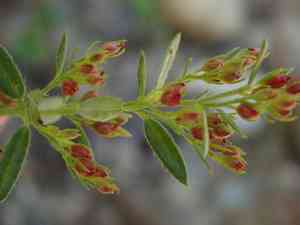
Thyme-leaf pinweed flourishes most effectively when relocated in late spring or early summer. Select a bright spot with soil that drains efficiently to support robust development. Maintain damp, yet not saturated, soil conditions for ideal root anchoring.
What Preparations are Needed Before Relocating Thyme-leaf Pinweed?
What is the Ideal Time for Relocating Thyme-leaf Pinweed?
Thyme-leaf pinweed, a perennial plant, is best moved in late spring or early summer. These periods provide ideal soil warmth and extended daylight, promoting strong root growth and adaptation. Moving during these times ensures the plant flourishes with minimal stress, benefiting from a long growing season ahead.
How Much Space Should You Leave Between Thyme-leaf Pinweed Plants?
For thyme-leaf pinweed, ensure a spacing of 12-18 inches (30-45 cm) between each plant to allow ample room for growth and development.
What is the Best Soil Mix for Thyme-leaf Pinweed Relocation?
Prepare well-drained, sandy or rocky soil for thyme-leaf pinweed. Incorporate some compost or a balanced base fertilizer to enrich the soil prior to planting.
Where Should You Relocate Your Thyme-leaf Pinweed?
Select a sunny location for thyme-leaf pinweed. They thrive best with a minimum of 6-8 hours of daily sunlight.
What Equipment Should You Prepare Before Relocating Thyme-leaf Pinweed?
Gardening Gloves
To safeguard your hands while handling soil and the plant.
Shovel or Spade
Used for excavating and lifting the plant from its current spot.
Trowel
To assist with digging smaller holes in the new site.
Watering Can
For hydrating the plant before and after its move.
Soil Knife or Pruners
To trim any damaged roots if necessary.
Mulch
To help retain moisture around the newly relocated thyme-leaf pinweed.
How Do You Extract Thyme-leaf Pinweed from the Soil?
How Do You Extract Thyme-leaf Pinweed from the Soil?
From Ground: First, water the thyme-leaf pinweed plant to moisten the soil. Then, dig a wide trench around the plant using a shovel or spade, ensuring the plant's root ball remains intact. Carefully work the spade beneath the root ball to lift the plant from its original position.From Pot: Water the thyme-leaf pinweed thoroughly before relocating. Gently squeeze the pot's sides to loosen the soil. Carefully invert the pot, supporting the plant with one hand, and tap the pot's bottom to release the plant.From Seedling Tray: Water the seedlings to make the soil easier to manage. Use a small trowel or similar tool to gently lift each seedling by its leaves or the soil surrounding the roots. Handle the seedlings with care to prevent damage to their delicate roots.
Step-by-Step Guide for Relocating Thyme-leaf Pinweed
Prepare the New Location
Choose a site with suitable conditions, dig a hole that's twice the width of the root ball and slightly deeper than the root length of the thyme-leaf pinweed plant.
Remove thyme-leaf pinweed from Original Location
Follow the instructions from the extraction process section based on where thyme-leaf pinweed is being moved from.
Place thyme-leaf pinweed into the New Hole
Position the plant into the new hole, ensuring that the top of the root ball is level with the surrounding soil. Backfill the hole with soil, pressing gently to remove air pockets.
Water Thoroughly
Water the thyme-leaf pinweed thoroughly immediately after planting to help settle the soil and reduce relocation shock.
Apply Mulch
Apply a layer of mulch around the plant's base, ensuring it does not touch the stem, to retain moisture and regulate soil temperature.
How Do You Care For Thyme-leaf Pinweed After Relocation?
Watering
Keep the soil around the thyme-leaf pinweed consistently moist, but not waterlogged, for the initial few weeks after relocating to help establish strong roots.
Monitoring
Observe the plant for signs of relocation shock, such as wilting or yellowing leaves, and adjust watering and care as needed.
Weeding
Regularly remove weeds around the thyme-leaf pinweed to lessen competition for nutrients and water.
Protection
Consider using a light shade cloth or temporary barrier to shield the thyme-leaf pinweed from excessive sun or wind during its initial adjustment period.
Troubleshooting Common Issues with Thyme-leaf Pinweed Relocation.
When is the best time to relocate thyme-leaf pinweed?
The ideal time to relocate thyme-leaf pinweed is late spring or early summer for optimal growth.
How much space should I leave between thyme-leaf pinweed plants?
Ensure each thyme-leaf pinweed plant is spaced 12-18 inches (30-45 cm) apart for healthy growth.
What soil type is best for relocating thyme-leaf pinweed?
Thyme-leaf pinweed thrives in well-draining, sandy or rocky soil for optimal root development.
How should I prepare the relocation site for thyme-leaf pinweed?
Loosen the soil and enrich with compost. Remove weeds to reduce competition for nutrients.
How deep should I plant thyme-leaf pinweed seedlings?
Plant thyme-leaf pinweed seedlings at the same depth they were growing in their original containers.
How do I water thyme-leaf pinweed after relocating?
Water thyme-leaf pinweed thoroughly immediately after relocating and keep the soil moist but not waterlogged.
What if thyme-leaf pinweed shows signs of relocation shock?
Provide shade, keep the soil consistently moist, and avoid fertilizing until the plant recovers.
Should I prune thyme-leaf pinweed before relocating?
Pruning is not necessary, but you can trim dead or damaged leaves to reduce stress.
What pests should I watch for when relocating thyme-leaf pinweed?
Watch for aphids and spider mites which can stress newly relocated thyme-leaf pinweed plants.
Can I relocate thyme-leaf pinweed in containers?
Yes, use a container with drainage holes and a well-draining potting mix to relocate thyme-leaf pinweed.



