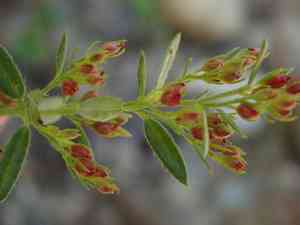
Thyme-leaf pinweed (Lechea minor)
Also known as: Thyme-leaved Pinweed
A likely candidate is thyme-leaf pinweed, a small perennial that favors sandy, well-drained soils. This hardy plant features small, narrow leaves and reddish stems, and it’s well-suited to arid conditions. With its tiny, often unnoticed flowers, thyme-leaf pinweed demonstrates remarkable adaptability to environments with poor nutrients.
In This Article
Attributes of Thyme-leaf pinweed
Lifespan
Perennial
Plant Type
Herb
Plant Height
5-30 cm
Spread
10-15 cm
Leaf Color
Green
Flower Size
Less than 1 cm
Flower Color
Yellow Green Red
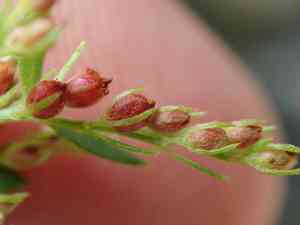
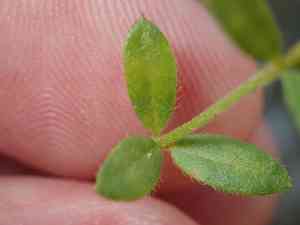
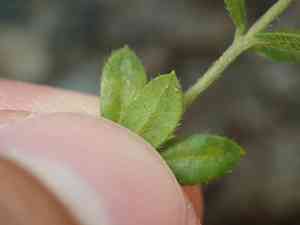
Images of Thyme-leaf pinweed
Quickly Identify Thyme-leaf pinweed
1
Look for small, woody, branched stems with tiny, opposite leaves. Flowers are small, inconspicuous, and greenish to reddish in color. The plant grows low to the ground, forming a mat-like appearance.
Scientific Classification of Thyme-leaf pinweed
Phylum
Vascular plants
Class
Dicotyledons
Order
Malvales
Family
Rock roses
Genus
Pinweeds
Species
Thyme-leaf pinweed
Planting and Growing of Thyme-leaf pinweed
Care Difficulty
Easy
Watering Schedule
Every 8 days
Sunlight Requirements
Partial sun
Sunshine Duration
4-8 hours
Ideal Temperature
60-75℉
Soil Type
Potting Mix, Peat Mix
Soil pH
6-8
Fertilizer Type
Balanced
Pruning Season
Spring, Summer
Pruning Area
Branches, Leaves
Pruning Frequency
2 times a year
Repotting Season
Spring
Pot Type
Terracotta, Plastic
 How to Water Thyme-leaf pinweed?
For Lechea minor, each watering session should provide around 150 ml of water. This amount ensures the soil is evenly moist but not waterlogged, which is vital for its root health. Always ensure the top inch of soil feels damp but not soaked to prevent root rot.
What are the symptoms of an underwatered Thyme-leaf pinweed?
›
What should I do if my Thyme-leaf pinweed is not getting enough water?
›
What are the symptoms of an overwatered Thyme-leaf pinweed?
›
How to save an overwatered Thyme-leaf pinweed?
›
 What Are the Sunlight Requirements for Thyme-leaf pinweed?
Lechea minor prefers partial sun, ideally with 4 to 6 hours of sunlight daily. This lighting allows the plant to perform optimal photosynthesis, enhancing growth and overall plant health.
What is the ideal lighting for Lechea minor?
›
How can you ensure Lechea minor gets optimal light?
›
What are the benefits of optimal lighting for Lechea minor?
›
 What Is the Ideal Temperature Range for Thyme-leaf pinweed?
The ideal temperature range for Lechea minor is between 60°F and 75°F. These temperatures support optimal growth by maintaining cellular function and photosynthesis efficiency. Staying within this range ensures the plant can thrive without temperature-related stress.
 What Soil is Best for Thyme-leaf pinweed?
Lechea minor thrives in well-drained soil because it prevents waterlogging and root rot. Adequately draining sandy or loam soils allow efficient air exchange and moisture balance, providing a healthier environment for root growth. The plant grows best in soil with moderate nutrient levels. This condition ensures that it gets enough nutrients without over-fertilizing, which could lead to weak growth and poor flowering. Balanced nutrition supports vibrant green foliage and robust health. Lechea minor prefers a soil pH that is neutral to slightly acidic. This pH range helps in optimal nutrient uptake and supports beneficial microbial activity in the soil, enhancing the plant's overall vigor and resilience.
 How to Fertilize Thyme-leaf pinweed?
Lechea minor typically requires a balanced approach to fertilization. Use a light hand by utilizing a diluted solution of balanced liquid fertilizer, specifically at a quarter strength per application. This ensures the plant gains enough nutrients without overwhelming its system, contributing to vibrant growth and health.
 How to Prune Thyme-leaf pinweed?
Begin by using a pair of sharp garden shears to trim back any dead or damaged stems. Focus on shaping the plant for an aesthetically pleasing structure, removing stems that cross each other and thinning the plant to improve airflow. Ensuring each cut is clean and angled slightly will promote quicker healing and reduce the chance of disease. For Lechea minor, it's essential to thin out the plant occasionally. This involves removing some of the inner branches to prevent crowding, which can lead to poor air circulation and increase the chance of fungal diseases. Keep the center of the plant aerated and ensure sunlight reaches most parts.
More About Pruning Techniques→
 How to Propagate Thyme-leaf pinweed plant?
1
Begin by acquiring quality seeds of Lechea minor from a reliable source. Clean any debris and soak the seeds in water for 12-24 hours to enhance germination rates by softening the seed coat.
2
Fill seed trays with a pre-moistened sterile soil mix. Gently press the soil to remove air pockets and evenly distribute the seeds across the surface, ensuring they have adequate space to grow.
3
Cover the seeds lightly with soil and mist regularly to maintain humidity. Keep the seed tray in a warm environment, ideally at a temperature of 20-25°C, to encourage germination.
 How to Repot Thyme-leaf pinweed plant?
1
Watch for signs of rootbound growth or poor soil drainage to know it's time to repot Lechea minor. Spring and early summer are ideal as the plant is in its growing phase.
2
Select a pot one size larger and ensure it has drainage holes. This allows the roots space to grow and prevents waterlogging, promoting healthier root development.
3
Use a well-draining sandy soil mix to mimic natural conditions. This prevents root rot and provides aeration, crucial for thriving Lechea minor.



