How to Transplant Lasia?
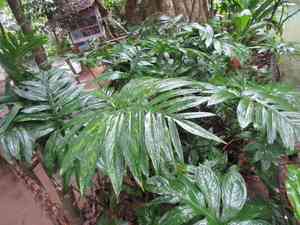
The ideal period for relocating lasia is at the onset of spring. This timing allows for delicate root development prior to the intense heat of summer. It is best to place lasia in a damp, partially shaded location, which mimics its native environment. Should a more pliable soil foundation be prepared for its introduction, lasia will thrive considerably.
Preparations Required Before Relocating Lasia
Optimal Timing for Lasia Relocation?
The best time to move lasia is at the start of spring, when mild temperatures and longer daylight hours encourage root growth. This timing allows lasia to have a full growing season, establishing itself firmly before winter.
Recommended Spacing Between Lasia Plants?
When getting ready to move your lasia, ensure each plant has adequate room. For best development, space them approximately 2-3 feet (60-90cm) apart. This provides ample space for them to flourish!
Ideal Soil Mixture for Lasia Transplanting?
Your lasia will thrive in soil that is rich in nutrients and drains well. Combine your garden soil with organic compost or a foundational fertilizer to supply essential nutrients. It's like preparing a gourmet meal for your plant!
Optimal Location for Lasia Relocation?
Choose a site that receives full sun to partial shade for your lasia. This balanced sun exposure will help it grow strong and healthy. Consider it the plant's vacation spot!
Equipment Needed Before Transplanting Lasia
Gardening Gloves
Useful for safeguarding your hands while handling the plant and working with the soil.
Transplanting Spade
Required for excavating the plant from its original spot and creating a hole in the new location. The spade's narrow, curved blade is beneficial for minimizing damage to the plant and its roots.
Wheelbarrow
Helpful for safely and easily moving the excavated plant to its new location, especially if the plant is large or heavy.
Watering Can
Needed for watering the plant after transplanting to aid in better root establishment.
Mulch
Applied around the plant's base after transplanting, it assists in retaining soil moisture and controlling weed growth.
How to Extract Lasia from the Soil?
How to Extract Lasia from the Soil?
From Ground: First, thoroughly water the lasia plant to moisten the surrounding soil. Using a transplanting spade, dig a wide circle around the plant, being careful to keep the root ball intact. Gently work the spade beneath the root ball, freeing the plant from its original position. The aim is to preserve as much of the original root system as possible. Once the plant is loose, it's ready to be moved to the new site.From Pot: Water the lasia plant thoroughly. Invert the pot, gently pressing the sides to loosen the soil and the plant. The plant should slide out with the root ball intact. If it doesn't come out easily, you can carefully use a knife to cut along the inside edge of the pot. Minimize disturbance to the root ball.From Seedling Tray: Water the seedlings well and allow them to fully absorb the moisture. Using a tablespoon or a small gardening spatula, carefully lift the seedlings, ensuring minimal root damage. Extra caution is needed with seedlings as they are delicate.
Step-by-Step Guide for Lasia Transplanting
Preparation
Have the wheelbarrow ready to place the lasia plant, whether it's being removed from the ground or a pot. Ensure there's ample space for the plant to fit comfortably without damaging its branches or leaves.
Prepare Transplant Site
Using a transplanting spade, dig a hole at the new site that is twice the width and slightly deeper than the lasia plant's root ball.
Placing the Plant
Carefully position the plant in the hole. Ensure that the top of the root ball is level with the ground surface.
Backfilling
Refill the hole with soil, gently firming it around the plant's base to ensure it remains upright and secure.
Watering
Immediately after transplanting, water the plant generously to help settle the soil around the roots.
Post-Transplant Care for Lasia
Monitoring
Keep a close watch on the lasia plant's health and growth. It's crucial to look for signs of transplant shock such as wilting, yellowing, or dropping leaves.
Watering
Maintain consistent soil moisture around the lasia plant, but avoid overwatering. The plant should not sit in water, as this can lead to root rot.
Pruning
If the lasia plant exhibits signs of transplant shock, consider trimming some of its branches. This will help reduce stress on the roots as they establish themselves in their new location.
Mulching
Apply a layer of mulch around the plant to help retain moisture, reduce weed competition, and regulate soil temperature.
Resolving Common Lasia Transplantation Issues
When is the best time to transplant lasia?
Ideally, you should transplant lasia in S1-S2. This period offers the most favorable conditions for your plant to flourish.
How far apart should I plant lasia when transplanting?
To allow for proper growth, ensure that each lasia is planted 2-3 feet (60-90 cm) apart from the next one.
What should I do if my transplanted lasia looks wilted?
Firstly, ensure you're providing adequate water. Both excessive and insufficient watering can cause lasia to wilt. If it persists, consult a horticultural expert.
Should I prune lasia before transplanting?
Pruning before transplanting is not essential for lasia. However, maintaining a good root-to-leaf ratio is crucial to prevent water stress.
Why do leaves of my transplanted lasia turn yellow?
Yellow leaves could indicate over or under watering, or potentially a deficiency in certain nutrients. Review your watering practices and soil conditions.
What type of soil suits lasia best?
Lasia prefers well-drained soil, rich in organic matter. Avoid areas where water tends to accumulate, as this could lead to root rot.
What position should I plant lasia in?
Lasia should be placed where they can receive sufficient sunlight. They also perform well in partially shaded areas, so observe your garden's sun exposure.
How deep should I dig the hole for transplanting lasia?
The hole should be deep enough to comfortably accommodate the root ball of lasia. Typically, this means twice as wide and the same depth as the root ball.
Is it necessary to add fertilizer during transplanting of lasia?
Adding fertilizer helps lasia recover from transplant shock more quickly and provides essential nutrients. However, do not overdo it as it might cause root burn.
How long does lasia take to establish after transplanting?
Generally, lasia takes a few weeks to establish itself after transplantation. You can confirm this by checking for new growth. During this time, ensure proper care.



