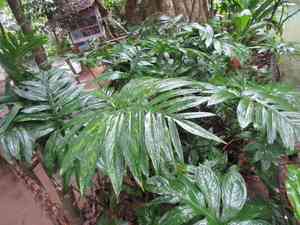
Lasia (Lasia spinosa)
Also known as: Sawtooth, Spine Spinach, Prickly Lasia
Lasia is a large, spiky plant that thrives in marshy areas. Originating from East Asia, it is grown for its flavorful leaves, which are also used in traditional medicine. However, the leaves can be toxic if not properly cooked. It's commonly found along the edges of ponds.
In This Article
Attributes of Lasia
Lifespan
Perennial
Plant Type
Herb
Plant Height
99 cm to 2 m
Spread
10 cm
Leaf Color
Green
Flower Size
Small, less than 1 cm
Flower Color
Greenish to purplish
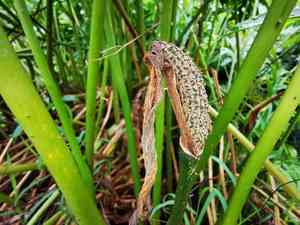
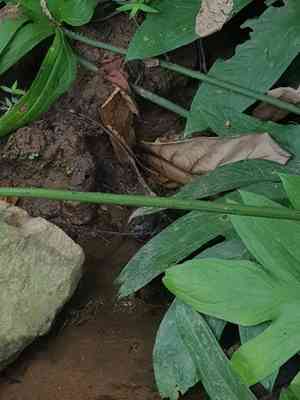
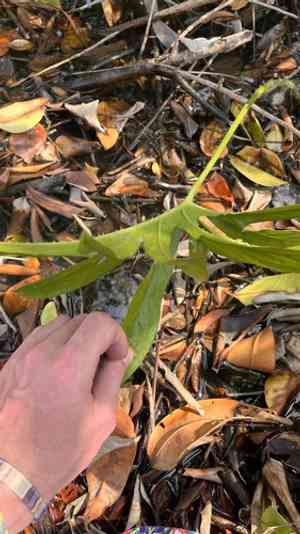
Images of Lasia
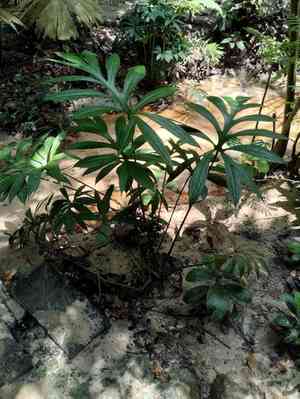
Quickly Identify Lasia
1
Identify Lasia spinosa by its large, hastate (spear-shaped) leaves with spiny edges and stems. The leaves are glossy green and can grow up to 60 cm in length. The plant also produces small, inconspicuous flowers.
Scientific Classification of Lasia
Phylum
Vascular plants
Class
Monocotyledons
Order
Water plantains and allies
Family
Arum
Genus
Lasia
Species
Lasia
Planting and Growing of Lasia
Care Difficulty
Hard
Watering Schedule
Every 3 days
Sunlight Requirements
Partial sun
Sunshine Duration
6-10 hours
Ideal Temperature
68-86℉
Soil Type
Potting Mix, Peat Mix
Soil pH
6-7.5
Fertilizer Type
Balanced
Pruning Season
Spring, Summer
Pruning Area
Branches, Leaves
Pruning Frequency
2 times a year
Repotting Season
Spring
Pot Type
Plastic, Ceramic
 How to Water Lasia?
Lasia spinosa prefers consistent moisture, much like its natural swampy habitat. Each watering session should deliver around 500ml, ensuring the soil is thoroughly moistened but not waterlogged. Aim for moist soil that holds shape when squeezed but doesn't release water.
What are the symptoms of an underwatered Lasia?
›
What should I do if my Lasia is not getting enough water?
›
What are the symptoms of an overwatered Lasia?
›
How to save an overwatered Lasia?
›
 What Are the Sunlight Requirements for Lasia?
Lasia spinosa prefers a lighting range between partial sun and full shade. Ideal light exposure encourages methodical growth, maintaining the plant's robustness and leafy fullness while preventing sunburn.
More About Sunlight Requirements Techniques→
What type of environment does Lasia spinosa thrive in?
›
How can you recreate its natural lighting conditions indoors?
›
What benefits does ideal lighting offer?
›
 What Is the Ideal Temperature Range for Lasia?
The ideal temperature range for Lasia spinosa is between 68°F and 86°F. This range allows for optimal metabolic rates, proper enzymatic activity, and healthy growth patterns. When maintaining these temperatures, the plant is more likely to display vigorous growth, vibrant foliage, and robust root systems.
 What Soil is Best for Lasia?
Lasia spinosa prefers soil that offers adequate drainage. This is crucial to prevent root rot, which can occur if the roots sit in waterlogged conditions for too long. Well-drained soils, like loam, ensure that water moves efficiently through the substrate, promoting healthy root growth and overall plant vitality. This plant thrives in soils that are rich in organic matter. Incorporating organic compost or well-rotted manure into the planting site provides essential nutrients, supporting Lasia spinosa's growth and enabling it to reach its full potential with lush foliage and vivid colors. While Lasia spinosa doesn’t fare well in soggy conditions, it does require consistently moist soil. Regular watering is necessary, especially during dry spells, to maintain soil moisture levels, which is crucial for the plant's metabolic processes and to prevent wilting.
 How to Fertilize Lasia?
For Lasia spinosa, use a balanced fertilizer diluted to half strength for liquid feeds. Apply around one cup per feeding to avoid nutrient burn, ensuring even distribution around the base of the plant.
 How to Prune Lasia?
To effectively prune Lasia spinosa, ensure you have sharp, clean pruning shears. This reduces the risk of disease transmission and allows for clean cuts that heal quickly, promoting vigorous regrowth. Begin by removing any dead or yellowing leaves, cutting them close to the base without damaging the main stem. Trim overgrown stems to maintain the plant's desired shape, being mindful of the natural growth pattern to maintain its aesthetic appeal.
More About Pruning Techniques→
 How to Propagate Lasia plant?
1
Begin by collecting seeds from mature Lasia spinosa plants. Sow the seeds in a mixture of peat and perlite, covering them lightly with soil. Maintain a humid environment to encourage germination, typically taking 3-4 weeks.
2
Carefully remove the plant from its pot and divide the root mass into sections using sterilized shears. Each section should contain roots and at least one stem. Replant the divisions in well-draining soil.
3
Use aseptic techniques to culture Lasia spinosa cells on a suitable medium. Maintain controlled environmental conditions with specific light and temperature requirements, ensuring proper growth.
 How to Repot Lasia plant?
1
Lasia spinosa needs repotting when you notice its roots are coming out of the pot holes or when growth seems stunted. Spring or summer are ideal times since the plant is in its active phase, allowing it to handle the transition smoothly and thrive in its new environment.
2
Select a pot that's 2–3 inches wider in diameter than its current one. This size allows adequate space for root expansion and nutrient absorption, helping Lasia spinosa to flourish. A pot with drainage holes is essential to prevent waterlogging, which can lead to root rot.
3
Opt for a rich, well-draining soil mix to ensure moisture retention and good aeration. This type of soil prevents stagnant water and provides essential nutrients, promoting healthy growth and vibrant foliage. A mix with organic matter like compost enhances the plant's development.
Learn More About Lasia Diseases
Anthracnose
Bacterial Leaf Spot
Bacterial Soft Rot
Bacterial Wilt
Chemical Injury
Damping-off
Downy Mildew
Drought Stress
Fusarium Wilt
Gray Mold
Leaf Spot
Mosaic
Nutrient Deficiency
Nutrient Toxicity
Powdery Mildew
Root Rot
Root-knot Nematode
Sooty Mold
Spider Mites
Temperature Stress
Thrips Damage
White Mold



