How to Transplant Walking Kalanchoe?
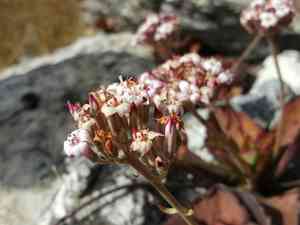
Winter's cool grasp presents an ideal opportunity for relocating Kalanchoe, allowing for a calm adjustment phase. Select an area with ample, diffused illumination and porous soil to accommodate this resilient perennial in its fresh environment.
What Preparations are Needed Before Transplanting Walking Kalanchoe?
What is the Ideal Time for Transplanting Walking Kalanchoe?
The perfect time for relocating walking Kalanchoe is during the cooler winter months. This timing allows walking Kalanchoe to establish its root system without the stress of intense heat, creating a strong base for spring growth. Moving walking Kalanchoe in this season encourages a vigorous revival with the new cycle, maintaining its appeal with minimal transplant shock. This smooth transition mirrors nature's patient rhythm, setting the stage for a thriving display.
How Much Space Should You Leave Between Walking Kalanchoe Plants?
Begin by preparing the area for walking Kalanchoe. Remember, adequate spacing is crucial when transplanting this plant. Aim for a distance of 1-2 feet (30-60 cm) between each plant. This ensures they have sufficient room to flourish and won't compete for nutrients!
What is the Best Soil Mix for Walking Kalanchoe Transplanting?
For walking Kalanchoe, you'll need soil that drains well. Be sure to mix in organic compost or a balanced, slow-release granular fertilizer before planting. This will help guarantee the plant receives the necessary nutrients after being transplanted.
Where Should You Relocate Your Walking Kalanchoe?
Finally, locate a sunny spot in your garden for your walking Kalanchoe. This plant thrives in sunlight! However, it can also tolerate some shade. Remember to position it where it will receive ample morning sun, but also be protected from intense afternoon heat.
What Equipments Should You Prepare Before Transplantation Walking Kalanchoe?
Gardening Gloves
To safeguard your hands from injury while handling the plant and soil.
Shovel or trowel
For excavating the walking Kalanchoe from its original spot and preparing the new planting site.
Pruning Shears
To remove any damaged roots or leaves.
Bucket
To transport the plant and to carry water.
Organic compost or well-rotted manure
To provide essential nutrients to the newly transplanted plant.
How Do You Remove Walking Kalanchoe from the Soil?
How Do You Remove Walking Kalanchoe from the Soil?
From Ground: Start by watering walking Kalanchoe to soften the soil. Once the soil is moist, use a shovel to dig a circle around the plant, ensuring you dig deep enough to get beneath the roots. Carefully lift the plant from the ground with its roots still encased in soil.From Pot: Water the pot thoroughly to moisten the soil within. Turn the pot on its side and gently ease the plant out. Try to retain as much original soil as possible around the roots.From Seedling Tray: Water the seedlings and allow them to drain. Carefully extract a single walking Kalanchoe from its cell by pushing it up from the bottom. Be gentle to avoid damaging the delicate young roots.
Step-by-Step Guide for Transplanting Walking Kalanchoe
Prepared Hole
For walking Kalanchoe, you should dig a hole that is twice the width of the root ball and as deep as the plant was in its previous location. Place some compost or well-rotted manure at the bottom of the hole to supply nutrients.
Planting
Position walking Kalanchoe into the hole, taking care to keep the top of the root ball level with the surrounding soil. Backfill the hole with soil, gently firming it around the base of the plant.
Watering
Immediately after transplanting, water walking Kalanchoe generously to settle the soil.
How Do You Care For Walking Kalanchoe After Transplanting?
Watering
Walking Kalanchoe should be watered immediately after transplanting and regularly thereafter, keeping the soil consistently moist but not waterlogged. This will help the plant establish itself in its new spot.
Pruning
Remove any dead or damaged leaves to direct the plant's energy towards root development.
Monitoring
Keep a close watch on walking Kalanchoe after transplanting, looking for signs of transplant shock such as wilting or leaf drop, and adjust care as necessary.
Troubleshooting Common Issues with Walking Kalanchoe Transplantation.
When is the best time to transplant walking Kalanchoe?
The optimal period to transplant walking Kalanchoe is during seasons 10 to 12. Keep in mind that the plant's response to transplanting is most favorable during this timeframe.
Does walking Kalanchoe require any unique spacing criteria when transplanting?
Indeed, walking Kalanchoe does have specific requirements. It thrives best when planted at intervals of approximately 1-2 feet (30-60 cm) from each other.
What's the ideal soil for transplanting walking Kalanchoe?
Well-draining soil is preferred for walking Kalanchoe. A mixture of standard potting soil with perlite or sand ensures optimal drainage and promotes healthy roots.
How deep should I plant walking Kalanchoe during transplantation?
You should plant walking Kalanchoe as deep as its root ball, but no deeper. Planting too deeply can negatively impact the plant's health.
What should I do if the transplanted walking Kalanchoe starts wilting?
Wilting might indicate overwatering or insufficient sunlight. Ensure walking Kalanchoe receives an adequate amount of light and adjust watering as needed.
Can I transplant walking Kalanchoe directly in the ground outdoors?
Walking Kalanchoe can be transplanted directly into the ground. However, ensure the soil drains well and the plant receives ample sunlight.
Do I need to prune walking Kalanchoe before transplantation?
Pruning is not essential before transplanting. However, remove any dead or damaged leaves to encourage healthier growth after the transplant.
How soon should I water the walking Kalanchoe after transplanting?
Water walking Kalanchoe immediately after transplanting. This helps to settle the soil around the roots. But remember, never overwater to prevent root rot.
What to do if my transplanted walking Kalanchoe shows signs of disease?
Diseased plants require immediate isolation and attention. Seek advice from a plant expert or a garden center to determine the correct course of action.
Can I fertilize walking Kalanchoe immediately after transplanting?
You should wait a short period before fertilizing walking Kalanchoe after transplanting. Allow the plant to recover and adapt to its new environment. Typically, 2-3 weeks is a suitable waiting period.



