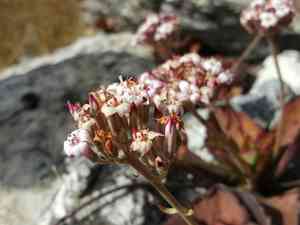
Walking Kalanchoe (Kalanchoe synsepala)
Also known as: Gremlin, Kalanchoe
Walking Kalanchoe (Kalanchoe synsepala) is a succulent species valued as an ornamental plant for the color combination present in its leaves. The walking Kalanchoe is cultivated in rock gardens and as an indoor houseplant, where care must be taken not to expose the plant to too much light. This species is native to Madagascar and grows optimally when given moderate amounts of water, potting soil, and a well-draining clay pot.
In This Article
Attributes of Walking Kalanchoe
Lifespan
Perennial
Plant Type
Herb
Plant Height
30 cm
Spread
30 cm
Leaf Color
Green with a possible pinkish tint
Flower Size
2 cm to 9 cm
Flower Color
White
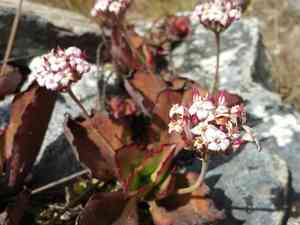
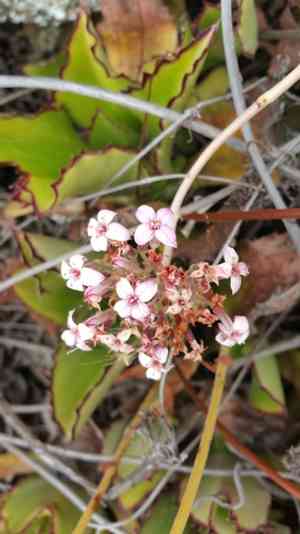
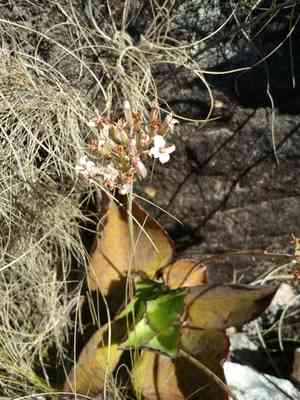
Images of Walking Kalanchoe
Quickly Identify Walking Kalanchoe
1
Identify Kalanchoe synsepala by its fleshy, cup-shaped leaves that can form new plantlets. The leaves are usually green with a slight pinkish tint under strong light. Look for its characteristic walking tendency as mature plants produce aerial stolons.
Scientific Classification of Walking Kalanchoe
Phylum
Vascular plants
Class
Dicotyledons
Order
Saxifragales
Family
Stonecrop
Genus
kalanchoe
Species
Walking Kalanchoe
Planting and Growing of Walking Kalanchoe
Care Difficulty
Easy
Watering Schedule
Every 4 days
Sunlight Requirements
Partial sun
Sunshine Duration
4-8 hours
Ideal Temperature
60-75℉
Soil Type
Potting Mix, Peat Mix
Soil pH
6.1-7.5
Fertilizer Type
Balanced
Pruning Season
Spring, Summer
Pruning Area
Branches, Leaves
Pruning Frequency
2 times a year
Repotting Season
Spring
Pot Type
Plastic, Terracotta
 How to Water Walking Kalanchoe?
When it comes to the Kalanchoe synsepala, its watering requirements are quite specific, ideally requiring about 200ml per watering session. Remember that the aim is to maintain moist but well-drained soil. Too much water and you risk drowning the root system, too little and the plant will start displaying signs of wilting.
What are the symptoms of an underwatered Walking Kalanchoe?
›
What should I do if my Walking Kalanchoe is not getting enough water?
›
What are the symptoms of an overwatered Walking Kalanchoe?
›
How to save an overwatered Walking Kalanchoe?
›
 What Are the Sunlight Requirements for Walking Kalanchoe?
The ideal light range for Kalanchoe Synsepala would be in an area which receives bright but indirect light. In these conditions, the plant's color will be vibrant, and it can thrive healthily.
More About Sunlight Requirements Techniques→
 What Is the Ideal Temperature Range for Walking Kalanchoe?
Kalanchoe synsepala thrives in temperature that ranges between 60°F to 75°F, as their tropical and subtropical origin makes them suited in this warm range. It provides the perfect climate for their metabolic and physiological functioning.
 What Soil is Best for Walking Kalanchoe?
Kalanchoe Synsepala thrives in well-draining soil. This prevents waterlogging, which can lead to root rot disease. Well-draining soil also allows for optimal root growth and efficient nutrient uptake. While it's generally easy to grow, this plant prefers soil with low fertility. As such, avoid using overly rich or heavily fertilized soils as they can cause overly rapid growth, leading to weak, leggy plants. Kalanchoe Synsepala prefers slightly acid soils with a pH between 6.1 and 7.5. This pH range allows for the best nutrient absorption.
 How to Fertilize Walking Kalanchoe?
Kalanchoe synsepala favors a balanced liquid fertilizer with an N-P-K ratio of 10-10-10. When using liquid fertilizer, use half the recommended dosage, around 1/2 tsp per gallon of water to prevent over-fertilization.
 How to Prune Walking Kalanchoe?
Locate the branch you want to remove and make a sharp cut about 1/4 inch above the leaf node. This encourages new growth. For any yellowing or dead leaves, snip them off at the base of the stem. Removing these leaves will encourage the plant to put more energy into growing new, healthy leaves. Trim the plant to maintain its overall shape. Promoting a compact silhouette can make the plant more attractive and plump.
 How to Propagate Walking Kalanchoe plant?
1
Choose a healthy leaf or stem and cut it using a sharp knife or take a small portion of the plant with roots already established. Make sure the cutting or division is around 3-4 inches.
2
Let the cut end of the stem or leaf dry for a few days. It's commonly referred to as 'callusing over.' This step helps prevent rotting when planted.
3
Plant the cutting or division in a pot with well-draining soil. Place it in an area with bright light but not direct sunlight.
 How to Repot Walking Kalanchoe plant?
1
Repotting Kalanchoe synsepala is best done during Spring and Autumn. When the plant becomes root-bound (the roots are filling up most of the pot), or the soil has degraded to a point where it's no longer providing good support and nourishment, it's a good time to repot.
2
Choose a pot that is slightly larger than the current one, allowing for growth. Ensure that the pot has plenty of drainage holes. This is crucial to prevent root rot, as Kalanchoe synsepala dislike sitting in water-logged soil.
3
This species prefers well-drained, sandy soil. Soil that is too dense or does not drain well can cause root rot. A mixture of regular potting soil with some coarse sand, perlite or gritty is ideal.
Toxicity
Ingestion
WARNING
The judgment on toxicity and danger is for reference only. We DO NOT GUARANTEE any accuracy of such judgment. Therefore, you SHALL NOT rely on such judgment. It is IMPORTANT TO SEEK PROFESSIONAL ADVICE in advance when necessary.



