How to Transplant Small-head rush?
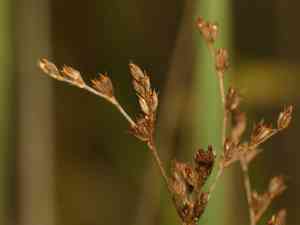
Small-head rush flourishes when relocated during the revitalizing period of early to mid-spring, guaranteeing vigorous development. Select a sunny or partly shaded, damp spot. This specific period and environment encourage strong root systems and lush leaves, improving your garden's appearance.
Essential Preparations Before Relocating Small-head Rush
Optimal Timing for Small-head Rush Relocation?
The best period for moving small-head rush is during early to mid-spring. This season offers suitable soil warmth and moisture, promoting root development and minimizing transplant stress. Relocating at this time helps small-head rush establish itself prior to summer's heat, leading to more robust and resilient growth.
Recommended Spacing Between Small-head Rush Plants?
When relocating small-head rush, ensure plants are spaced approximately 1 to 1.5 feet (30 to 45 cm) apart. This provides ample room for growth while allowing them to form a dense, full appearance over time.
Ideal Soil Blend for Small-head Rush Relocation?
Prepare the soil for small-head rush by selecting a damp, well-draining medium. Incorporate a balanced, all-purpose fertilizer to enrich the soil and support healthy development. Aim for a pH level between 6.5 and 7.5.
Where to Replant Your Small-head Rush?
When choosing a new spot for small-head rush, seek a location that receives full sun to partial shade. These light conditions will help the plant flourish and maintain its vibrant look.
Equipment Needed Before Relocating Small-head Rush?
Gardening Gloves
To safeguard your hands while handling soil and plants.
Shovel or Spade
For digging around the plant for removal and preparing the new planting site.
Trowel
For more precise digging and working in confined areas.
Watering Can or Hose
To hydrate the plant before and after its move.
Pruning Shears
To trim any damaged roots or foliage if necessary.
Mulch
To aid in moisture retention and protect the plant after relocation.
How to Extract Small-head Rush from the Ground?
How to Extract Small-head Rush from the Ground?
From Ground: First, moisten the small-head rush plant's soil. Then, excavate a wide trench around the plant using a shovel or spade, ensuring the root ball remains intact. Carefully work the spade beneath the root ball to lift the plant from its original spot.From Pot: Thoroughly water the small-head rush plant to facilitate removal. Gently tap the pot's sides to loosen the soil. Carefully slide the plant out by tilting the pot and supporting the plant at its base.From Seedling Tray: Water the seedlings before removal. Use a trowel to gently loosen the soil around each seedling. Hold the seedling by its leaves or base (never the stem) and carefully remove it from the tray.
Step-by-Step Guide for Relocating Small-head Rush
Site Preparation
Ensure the new planting site is ready before removal to minimize the time small-head rush is out of the soil.
Dig Planting Hole
Excavate a hole at the new location that is twice the width and the same depth as the plantâs root ball. This allows roots to spread easily.
Remove Plant
Carefully extract the small-head rush plant from its original spot using the appropriate removal method.
Inspect Roots
Examine the roots for any damage and prune if needed. This encourages healthy growth.
Planting
Position the small-head rush plant in the center of the hole. Ensure the top of the root ball is level with the surrounding soil surface.
Backfill and Firm
Refill the hole with soil, gently compacting it around the root ball to eliminate air pockets.
Water Thoroughly
Water the plant well to help settle the soil around the roots. This also aids in reducing transplant shock.
Mulch
Apply a layer of mulch around the plant's base to retain moisture and regulate soil temperature.
Post-Relocation Care for Small-head Rush
Watering
Keep the soil around small-head rush consistently damp, but not waterlogged, for the initial few weeks after relocation to help establish strong roots.
Monitoring
Regularly check the plant for signs of transplant stress, such as wilting or yellowing leaves, and address any issues promptly.
Protection
If necessary, shield small-head rush from harsh weather conditions, such as intense sunlight or heavy rainfall, until it has settled in.
Addressing Common Issues with Small-head Rush Relocation.
When is the best time to relocate small-head rush?
The ideal time to move small-head rush is early or mid-spring for optimal development.
How far apart should I space small-head rush when relocating?
Space small-head rush plants 1 to 1.5 feet (30 to 45 cm) apart to ensure healthy growth.
How should I prepare the soil for relocating small-head rush?
Loosen the soil up to 8 inches (20 cm) deep and incorporate organic matter for improved aeration.
What is the best way to remove small-head rush from its original spot?
Gently dig around small-head rush with a spade, keeping a generous soil clump around its roots to prevent damage.
How do I manage watering during small-head rush relocation?
Water thoroughly after moving small-head rush and keep the soil consistently moist for the first few weeks.
Should I trim small-head rush before relocating?
Trim any damaged or dead foliage before moving small-head rush to encourage new growth and reduce stress.
What are the signs small-head rush is struggling after relocation?
Wilting, yellowing leaves, or stunted growth indicate small-head rush might be stressed and requires more attention.
How can I prevent transplant shock for small-head rush?
Water well, use mulch to retain moisture, and avoid direct sunlight to help small-head rush adjust to its new location.
What type of fertilizer is best for small-head rush post-relocation?
A balanced, slow-release fertilizer can provide essential nutrients for small-head rush during its recovery period after relocation.
Should small-head rush be mulched after relocating?
Yes, applying 2 inches (5 cm) of mulch around small-head rush helps retain moisture and suppress weeds.



