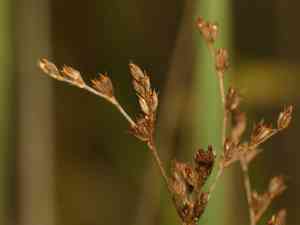
Small-head rush (Juncus brachycephalus)
Also known as: Short-headed Rush
The horsetail (Equisetum spp.) is a perennial plant characterized by its upright, cylindrical stems and lack of prominent flowers. Commonly found in moist, open areas, horsetails have a strong root system that allows them to adapt to different water conditions. Their distinctive stems offer essential microhabitats for various insects and play a vital role in stabilizing soil in marshy environments.
In This Article
Attributes of Small-head rush
Lifespan
Perennial
Plant Type
Grass
Plant Height
Typically 30-60 cm
Spread
N/A
Leaf Color
Green
Flower Size
Approximately 4-6 mm
Flower Color
Green to brown
Images of Small-head rush
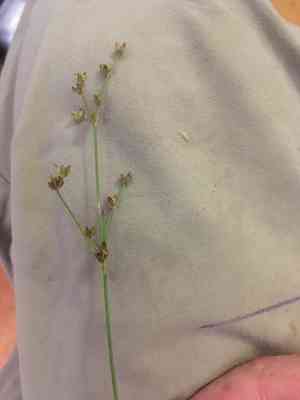
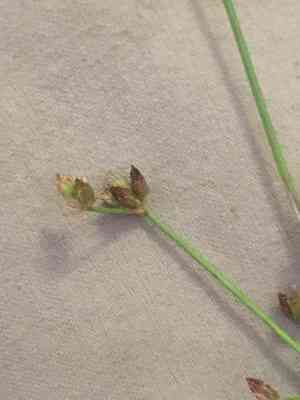
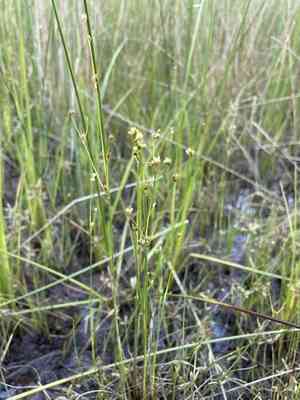
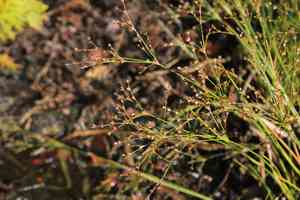
Quickly Identify Small-head rush
1
This plant can be identified by its characteristic short and compact flower clusters as well as its cylindrical stems that lack leaves.
Scientific Classification of Small-head rush
Phylum
Vascular plants
Class
Monocotyledons
Order
Poales
Family
Rush
Genus
Rushes
Species
Small-head rush
Planting and Growing of Small-head rush
Care Difficulty
Moderate
Watering Schedule
Every 4 days
Sunlight Requirements
Partial sun
Sunshine Duration
4-6 hours
Ideal Temperature
59-77℉
Soil Type
Potting Mix, Peat Mix
Soil pH
5.5-7.5
Fertilizer Type
Balanced
Pruning Season
Spring, Summer
Pruning Area
Branches, Leaves
Pruning Frequency
2 times a year
Repotting Season
Spring
Pot Type
Plastic, Ceramic
 How to Water Small-head rush?
Juncus brachycephalus enjoys consistently moist soil. Watering should be plentiful enough to soak the soil to a depth of several inches, usually about 250ml per session. This ensures the plant's roots have adequate moisture to draw from without drowning them.
What are the symptoms of an underwatered Small-head rush?
›
What should I do if my Small-head rush is not getting enough water?
›
What are the symptoms of an overwatered Small-head rush?
›
How to save an overwatered Small-head rush?
›
 What Are the Sunlight Requirements for Small-head rush?
Juncus brachycephalus thrives best in partial sun to full sun, ideally receiving 4 to 6 hours of sunlight daily. This optimal light range supports its photosynthetic activities and encourages lush, healthy growth.
What type of lighting does Juncus brachycephalus prefer?
›
How can you achieve the ideal lighting for Juncus brachycephalus?
›
What benefits does Juncus brachycephalus gain from ideal lighting?
›
 What Is the Ideal Temperature Range for Small-head rush?
Juncus brachycephalus thrives best in temperatures ranging from 59°F to 77°F. This range provides optimal conditions for growth and metabolism, ensuring the plant can photosynthesize efficiently. Maintaining this temperature helps in avoiding stress and promoting robust development.
 What Soil is Best for Small-head rush?
Juncus brachycephalus thrives in soils that offer excellent moisture retention. A loamy or peaty soil helps in maintaining consistent moisture levels, which is crucial for the healthy growth of this moisture-loving plant. Sandy loam can be improved with organic matter to enhance moisture retention. Rich soils provide the necessary nutrients that Juncus brachycephalus requires for robust growth. Loam, being naturally nutrient-dense, is ideal. Availability of essential nutrients like nitrogen and phosphorus can significantly improve plant vigor and visual appeal. Good soil aeration ensures that the roots receive ample oxygen, vital for root health. Loamy soils naturally provide better aeration, preventing root rot and other related issues that arise from waterlogged and compacted conditions.
 How to Fertilize Small-head rush?
Juncus brachycephalus, commonly known as the Small-headed Rush, benefits from a balanced approach to fertilization. For liquid fertilizers, a solution with a concentration of one-half the standard strength is recommended. This helps avoid over-fertilization while providing essential nutrients. It's best applied during the active growing season.
 How to Prune Small-head rush?
Begin by examining the plant for any dead or damaged stems. Use sharp, sterilized scissors to remove these at their base. For healthy growth, trim back any excessively long stems, cutting near a growth node to encourage fuller growth. If the plant appears overly thick or crowded, selectively thin out some of the older stems to improve air circulation. To maintain the desired shape of Juncus brachycephalus, trim any uneven or protruding stems. Cutting at a slight angle will help new growth blend in naturally. Regularly assess the overall shape of the plant and adjust as necessary, ensuring symmetry and balance throughout the growing season.
 How to Propagate Small-head rush plant?
1
Collect seeds from mature Juncus brachycephalus plants and clean them to remove any residue. Soak the seeds in water overnight to aid germination before sowing them onto moist soil in a seed tray.
2
Carefully dig up the entire Juncus brachycephalus clump, ensuring you do not damage the roots. Gently separate the roots and shoots into smaller sections using a sharp knife and immediately replant them in wet soil.
3
After soaking, sow the seeds on the surface of the moist soil and lightly press them in. Do not cover them, as they need sunlight for germination. Keep the soil consistently moist and place the tray in a bright, warm location.
 How to Repot Small-head rush plant?
1
Repot your Juncus brachycephalus when you notice it becoming root-bound or when growth seems to slow down. Signals for repotting include roots emerging from drainage holes or water not draining as efficiently. This usually happens every couple of years, especially during its active growth period.
2
Choose a pot that's about 2 inches larger in diameter than the current one. Ideally, use containers made from breathable materials such as terracotta. These pots ensure good air circulation and prevent waterlogging, a common issue with plastic containers.
3
Choose a rich, peaty soil mix to ensure adequate moisture retention while providing essential nutrients. This type of soil mimics the plant’s natural habitat, offering optimal growth conditions and preventing the roots from drying out too quickly.
Learn More About Small-head rush Diseases
Anthracnose
Bacterial Leaf Spot
Bacterial Soft Rot
Bacterial Wilt
Damping-off
Downy Mildew
Drought Stress
Fusarium Wilt
Gray Mold
Leaf Spot
Mosaic
Nutrient Deficiency
Nutrient Toxicity
Powdery Mildew
Root Rot
Root-knot Nematode
Rusts
Sooty Mold
Spider Mites
Temperature Stress
Thrips Damage
White Mold



