How to Transplant Jicamilla?
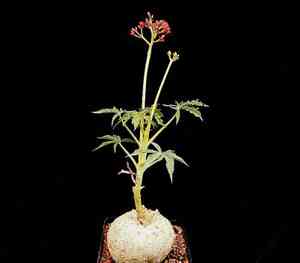
For jicamilla, the peak of summer heat offers an ideal period for relocation, facilitating strong root development. Select a bright spot with soil that drains effectively. Should moving the plant prove difficult, introduce it to the new environment progressively to avoid stress.
What Preparations are Needed Before Transplanting Jicamilla?
What is the Ideal Time for Transplanting Jicamilla?
The beginning of warmer periods, specifically late spring transitioning into early summer, offers an optimal window for relocating jicamilla. During this time, moderate temperatures and increasing daylight foster a supportive environment, crucial for jicamilla to establish new roots and acclimate to its new spot. Moving jicamilla in this season allows it to leverage summer's peak growth, ensuring robust development before colder weather arrives. Selecting this timeframe for transplantation will provide jicamilla with the advantage of prime growth conditions, setting the stage for a flourishing and strong future.
How Much Space Should You Leave Between Jicamilla Plants?
When relocating jicamilla, ideally position each seedling 2-3 feet (60-90 cm) apart. This provides ample room for each plant to develop robustly and healthily. Proper spacing also aids in efficient light absorption and minimizes competition for nutrients.
What is the Best Soil Mix for Jicamilla Transplanting?
Prior to moving jicamilla, prepare the soil. It thrives in well-drained soil. Ensure the soil is enriched with organic matter such as compost or a balanced base fertilizer to supply the necessary nutrients for proper growth.
Where Should You Relocate Your Jicamilla?
When selecting a new site for jicamilla, consider its sunlight requirements. Jicamilla prefers full sun to partial shade. Therefore, a sunny location in your garden would be the perfect spot for your plant.
What Equipments Should You Prepare Before Transplantation Jicamilla?
Gardening Gloves
To safeguard your hands while handling soil and jicamilla.
Shovel or Garden Trowel
This implement is vital for excavating a hole in the ground and replanting jicamilla.
Gardening Spade
A spade will assist in easily digging beneath the root ball and lifting the plant from its original position.
Watering Can
You'll need this to moisten the plant before and after its relocation.
Gardening Fork
This tool is used to gently loosen the soil surrounding the plant in its pot or seedling tray prior to removal.
Pruners
Pruning helps alleviate plant stress during transplantation by removing excess foliage or damaged roots.
How Do You Remove Jicamilla from the Soil?
How Do You Remove Jicamilla from the Soil?
From Ground: First, hydrate the jicamilla plant to moisten the soil. Next, excavate a wide trench around the plant using a shovel or spade, ensuring the plant's root ball remains intact. Carefully work the spade under the root ball to lift the plant from its initial spot. Exercise caution to avoid root damage.From Pot: Water the plant thoroughly and allow a few minutes to pass. Invert the pot and gently tap all sides to dislodge the plant. If the plant doesn't release easily, use a gardening fork to loosen the soil before attempting again.From Seedling Tray: Using your fingers, gently push up from the cell's base to eject the plant. If the roots are firmly held, use a gardening fork to loosen the soil. Always grasp the plant by its leaves, not its stem, when removing it from the tray.
Step-by-Step Guide for Transplanting Jicamilla
Plant Health Check
Before commencing, inspect your jicamilla plant for any indications of disease or pest issues. Relocation can be taxing for plants, and a healthy plant will recover more swiftly.
Hole Preparation
Excavate a hole twice the width of the root ball, but no deeper than the root ball itself. The top of the root ball should be flush with the surrounding soil.
Placing the jicamilla
Position the jicamilla in the hole, ensuring it stands upright. Then, backfill the hole with the original soil, compacting it around the plant with your hand.
Watering
Thoroughly water the jicamilla plant after its relocation. This will aid in settling the soil around the root ball.
Monitor
Closely observe the jicamilla for the subsequent few weeks. Transplantation can be stressful for plants, and early problem detection is crucial for successful relocation.
How Do You Care For Jicamilla After Transplanting?
Watering
Maintain consistently moist, but not waterlogged, soil around the jicamilla for the initial weeks post-transplant.
Growth Monitoring
Track the growth of the jicamilla after its relocation. If the plant appears to be growing slowly, consider consulting a Master Gardener or nursery for guidance. Remember, patience is key as some plants require time to recover and thrive after being moved.
Pests/Diseases
Watch for pests or diseases following the transplant, especially if jicamilla showed signs before being moved. Early detection can prevent a minor issue from escalating into an infestation or disease outbreak.
Troubleshooting Common Issues with Jicamilla Transplantation.
What's the best period to transplant jicamilla?
The ideal time to reposition jicamilla is during late summer to early fall (S4-S5). This allows them to establish roots firmly before winter.
How much space should I leave between individual jicamilla plants?
To prevent overcrowding and encourage robust growth, maintain a distance of approximately 2-3 feet (roughly 60 - 90 cm) between each jicamilla.
What should be the depth and width of the pit for jicamilla?
Dig a hole that is twice as wide as the plant's root ball, and equally deep. This space typically ranges between 10-12 inches (25-30 cm).
Is it necessary to prune jicamilla before transplanting?
Yes, it's advisable to lightly prune jicamilla before relocating. This will stimulate growth and help jicamilla adapt to its new environment.
What kind of soil is best for jicamilla transplanting?
Jicamilla thrives best in well-drained soil. You can enrich the soil with organic matter to enhance its fertility and drainage.
How to water jicamilla after transplanting?
Water thoroughly immediately after transplanting. Subsequently, keep the soil moist but not saturated – overwatering can be detrimental as the roots establish.
How do I protect transplanted jicamilla from pests?
Regularly inspect jicamilla for signs of pests. Natural or chemical pest control methods can be applied if needed, but avoid excessive use.
Should I fertilize jicamilla after transplanting?
Yes, use a balanced fertilizer to provide jicamilla with a nutrient boost. This will promote root development and help the plant settle in faster.
How can I help my jicamilla adapt after transplantation?
Newly transplanted jicamilla will require some shade protection for the initial few days. Gradually increase its sun exposure as it becomes comfortable.
What should I do if my transplanted jicamilla looks wilted?
A slight wilting after transplant is normal. Ensure it's adequately watered and allow it time. If wilting persists, check for root rot or pests.



