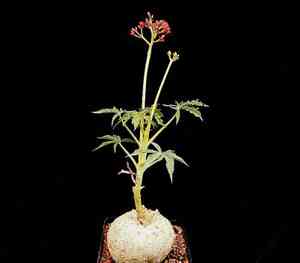
Jicamilla (Jatropha cathartica)
Also known as: Buddah's Belly, Berlander's Nettlespurg, Berlandier's nettlespurge
**Jatropha cathartica**, commonly known as Berlandier's nettlespurge or jicamilla, is a perennial flowering spurge native to Texas and Mexico. It thrives in dry conditions and is highly drought-tolerant. However, it is prone to root rot if exposed to excessive moisture. This plant is also grown in containers and can endure extended periods without water in its natural habitat.
In This Article
Attributes of Jicamilla
Lifespan
Perennial
Plant Type
Herb
Plant Height
0 mm to 30 cm
Spread
30 cm to 45 cm
Leaf Color
Bright green
Flower Size
2.5 cm to 5 cm
Flower Color
Red Pink
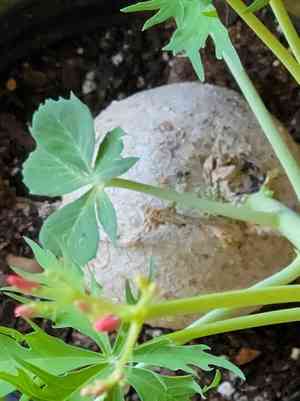
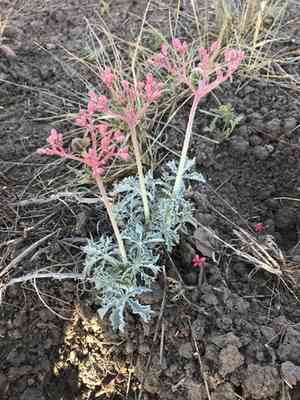
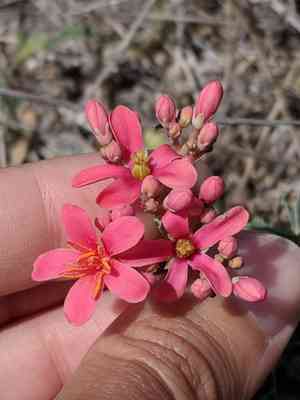
Images of Jicamilla
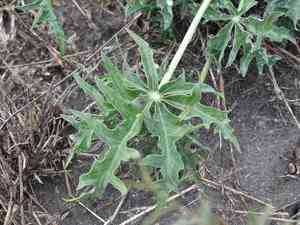
Quickly Identify Jicamilla
1
To identify Jatropha cathartica, look for its swollen base, segmented stems, and bright red or pink star-shaped flowers. The leaves are usually palmate and bright green.
Scientific Classification of Jicamilla
Phylum
Vascular plants
Class
Dicotyledons
Order
Malpighiales
Family
Spurge
Genus
Physic nuts
Species
Jicamilla
Planting and Growing of Jicamilla
Care Difficulty
Easy
Watering Schedule
Every 3 days
Sunlight Requirements
Full sun
Sunshine Duration
4-10 hours
Ideal Temperature
70-85℉
Soil Type
Potting Mix, Peat Mix
Soil pH
6.5-7.5
Fertilizer Type
Balanced
Pruning Season
Spring, Summer
Pruning Area
Branches, Leaves
Pruning Frequency
2 times a year
Repotting Season
Spring
Pot Type
Plastic, Ceramic
 How to Water Jicamilla?
Jatropha cathartica appreciates a modest watering schedule. Typically, 200 milliliters of water per session will suffice. The key is to ensure the soil remains moderately moist without becoming waterlogged.
What are the symptoms of an underwatered Jicamilla?
›
What should I do if my Jicamilla is not getting enough water?
›
What are the symptoms of an overwatered Jicamilla?
›
How to save an overwatered Jicamilla?
›
 What Are the Sunlight Requirements for Jicamilla?
Jatropha cathartica does best in full sun conditions, benefiting from 6-8 hours of direct sunlight. Such exposure encourages more lush growth and frequent blooming cycles, enhancing its decorative value.
More About Sunlight Requirements Techniques→
Understanding Full Sun Requirement
›
Solutions to Achieve Ideal Sunlight
›
Benefits of Ideal Sun Exposure
›
 What Is the Ideal Temperature Range for Jicamilla?
The ideal temperature range for cultivating Jatropha cathartica lies between 70°F and 85°F. This range ensures optimal growth and healthy foliage. Temperatures within this range mimic the plant's natural habitat, which promotes photosynthesis and other physiological processes essential for robust plant development.
 What Soil is Best for Jicamilla?
Jatropha cathartica thrives in well-drained soil, which prevents root rot and promotes healthy growth. Good drainage ensures that water does not accumulate, reducing the risk of fungal diseases having a detrimental effect on the plant. Nutrient-rich soil supports the plant's flowering and growth. By providing a balanced set of nutrients, the plant develops vigorous foliage and vibrant blooms, enhancing its ornamental appeal. The addition of organic matter recharges soil fertility, boosting the plant’s resistance to pests and diseases. Organic matter also improves soil texture, aiding root penetration and nutrient absorption.
 How to Fertilize Jicamilla?
When fertilizing Jatropha cathartica, use a balanced liquid fertilizer diluted to half the recommended strength. Apply about 250ml per plant during the growing season to avoid over-fertilization while ensuring sufficient nutrient supply.
 How to Prune Jicamilla?
Begin by inspecting your Jatropha cathartica for any dead or diseased branches. Use sharp pruning shears to make clean cuts, which helps avoid damaging the plant. Focus on thinning out overcrowded branches to improve airflow and light penetration. Cut at a 45-degree angle just above a node to encourage healthy regrowth. If your Jatropha cathartica is becoming too large or unruly, it’s crucial to shape it regularly. Aim to remove no more than one-third of the plant's mass at a time, focusing on maintaining its natural shape. This method helps prevent shock and ensures the plant remains balanced and vibrant.
 How to Propagate Jicamilla plant?
1
Choose a healthy plant with no signs of disease to take cuttings from. The parent plant should have robust and mature stems for better cutting success.
2
Cut a 4-6 inch section from the parent plant using sterilized shears. Remove any leaves from the lower half of the cutting to reduce water loss during rooting.
3
Dip the cut end of the cutting into rooting hormone powder, tap off excess, and plant it in a pot filled with well-draining soil. Firm the soil around the cutting to ensure it's stable.
 How to Repot Jicamilla plant?
1
Jatropha cathartica shows it's time for a new pot when roots start to peek out from the drainage holes or you notice stunted growth. Ideally, repot during spring, summer, or autumn when the plant is active and can handle the transition smoothly.
2
Opt for a pot that is one size larger than the current one and has generous drainage holes. Well-draining pots help prevent root rot and over-watering, ensuring the plant's health in its new home. The material should ideally be terracotta or ceramic to allow airflow.
3
A mix of cactus soil with added perlite or coarse sand is ideal. This blend provides excellent drainage and aeration, crucial for preventing waterlogged roots while supporting robust growth and nutrient absorption.
Toxicity
Ingestion, Contact with Sap
WARNING
The judgment on toxicity and danger is for reference only. We DO NOT GUARANTEE any accuracy of such judgment. Therefore, you SHALL NOT rely on such judgment. It is IMPORTANT TO SEEK PROFESSIONAL ADVICE in advance when necessary.
Learn More About Jicamilla Diseases
Anthracnose
Bacterial Leaf Spot
Bacterial Soft Rot
Bacterial Wilt
Chemical Injury
Crown Gall
Cyst Nematode
Damping-off
Downy Mildew
Drought Stress
Fusarium Wilt
Gray Mold
Leaf Curl
Leaf Spot
Mosaic
Nutrient Deficiency
Nutrient Toxicity
Powdery Mildew
Root Rot
Root-knot Nematode
Rusts
Sooty Mold
Spider Mites
Temperature Stress
Thrips Damage
White Mold



