How to Transplant Tansy ragwort?
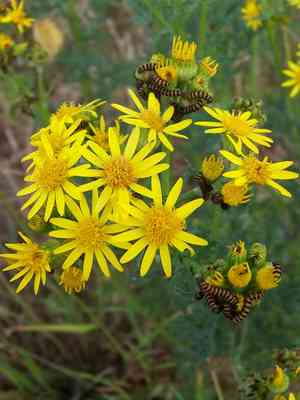
Relocate tansy ragwort during the revitalizing period of early to late spring to ensure robust development. Opt for sites featuring soil that drains effectively and receives partial to full sun exposure. Bear in mind that tansy ragwort thrives when provided with ample room to become established.
What Preparations are Needed Before Transplanting Tansy Ragwort?
What is the Ideal Time for Transplanting Tansy Ragwort?
Relocate tansy ragwort after the last frost but before intense summer heat, specifically during the revival of early to mid-spring. This timeframe offers mild weather, aiding tansy ragwort's adjustment, promoting stronger root development and acclimation. By transplanting within this period, you optimize tansy ragwort's chances of flourishing, utilizing moderate temperatures and increasing daylight for robust growth.
How Much Space Should You Leave Between Tansy Ragwort Plants?
Hello there, gardening enthusiast! When settling your tansy ragwort into its new spot, you'll want to provide ample room for development. Aim for a spacing of 18-24 inches (45-60 cm) between them. This ensures they have sufficient space to grow without competing for nutrients or sunlight.
What is the Best Soil Mix for Tansy Ragwort Transplanting?
Let's prepare a comfortable bed for your tansy ragwort! These plants prefer well-draining soil enriched with organic matter. Incorporate some compost or a balanced, slow-release fertilizer to give them a robust start. This will help guarantee your tansy ragwort receives the necessary nutrients.
Where Should You Relocate Your Tansy Ragwort?
Sunlight is a great companion for tansy ragwort. Find a bright location that receives at least 6 hours of direct sunlight daily. This will ensure your tansy ragwort gets the illumination it needs to bloom beautifully. Watch your tansy ragwort brighten your garden with delight!
What Equipments Should You Prepare Before Transplantation Tansy Ragwort?
Gardening Gloves
To safeguard your hands while handling soil and the plant.
Shovel or Spade
For digging around and beneath the plant's root ball during relocation.
Garden Fork
To loosen the soil and gently assist in lifting the root ball.
Watering Can or Hose
For hydrating the plant before and after removal, as well as in its new site.
Wheelbarrow or Garden Cart
To move the plant and soil, especially if the plant is large.
Mulch
To apply around the plant's base post-transplant to retain moisture and suppress weeds.
Pruners or Sharp Knife
To trim any damaged roots or leaves prior to transplanting.
Stakes or Supports
If tansy ragwort is tall or top-heavy and requires stability after transplanting.
How Do You Remove Tansy Ragwort from the Soil?
How Do You Remove Tansy Ragwort from the Soil?
From Ground: First, hydrate the tansy ragwort plant to moisten the surrounding soil. Then, using a shovel or spade, excavate a wide circle around the plant, being careful not to harm the root ball. Gently use a garden fork to loosen the roots and lift the plant from its original spot.From Pot: Begin by watering the tansy ragwort in its container to ensure the soil is damp and roots are less prone to breaking. Tilt the pot sideways and gently tap it to dislodge the plant. Support the plant by its base, and slowly extract it from the pot, ensuring the root ball remains intact.From Seedling Tray: Dampen the soil in the tray to facilitate easy removal of individual tansy ragwort seedlings without root damage. Use a pruner or a small tool to carefully lift the seedling, including its surrounding soil and root system, from the tray.
Step-by-Step Guide for Transplanting Tansy Ragwort
Preparation
Ensure the new planting site is twice the width of your tansy ragwort's root ball and of equal depth, to prevent burying the plant too deeply. Loosen the soil around the hole to allow roots to spread easily. If moving multiple plants, space them appropriately based on their mature size to avoid competition.
Root handling
Remove any damaged or broken roots using clean pruners or a sharp knife before planting. Gently untangle any matted roots with your fingers to encourage outward growth once in the ground.
Plant positioning
Place the tansy ragwort in the center of the prepared hole at the same depth it was previously growing. Its orientation should be similar to its former position, regarding the direction it was facing.
Soil backfill
Carefully refill the hole with the original soil, firming it around the root ball with your hands to eliminate air pockets. Avoid over-compacting the soil, which can restrict water and air flow.
Watering
Thoroughly water your tansy ragwort after transplanting to settle the soil and hydrate the roots. If the soil significantly settles after watering, add more soil to level it.
Stabilizing
If your tansy ragwort is tall or top-heavy, stake it to provide support and prevent wind damage until the roots establish and can support the plant.
Mulching
Apply a layer of mulch around the base of tansy ragwort, being careful not to pile it against the stem to prevent rot and provide a protective layer to retain moisture.
How Do You Care For Tansy Ragwort After Transplanting?
Watering schedule
Establish a regular watering routine to keep the soil around tansy ragwort consistently moist, ensuring deep watering to promote extensive root growth. Adjust frequency based on weather and soil moisture levels.
Monitoring
Periodically inspect the tansy ragwort for indications of stress, such as wilting foliage or discoloration. Address any issues promptly by modifying care or seeking guidance.
Long-term care
Once established, decrease watering frequency to encourage stronger root development. Remove any weeds that emerge near tansy ragwort to reduce competition for nutrients and water.
Troubleshooting Common Issues with Tansy Ragwort Transplantation.
What's the best time to transplant tansy ragwort?
The ideal period for relocating tansy ragwort is from early to late spring, when new growth is just beginning.
How far apart should I space tansy ragwort when transplanting?
Ideally, position tansy ragwort at intervals of 18-24 inches (45-60 cm) to ensure ample growing space.
What should I do if tansy ragwort's roots are too compacted?
Gently separate the roots without breaking them before placing tansy ragwort in its new location.
Can I transplant tansy ragwort in summer or fall?
It's preferable to transplant in spring, as tansy ragwort establishes better in cool, moist conditions.
What soil conditions favor tansy ragwort after transplanting?
Well-draining soil with a slightly acidic to neutral pH (5.5-7.0) is optimal for tansy ragwort's growth.
How deep should I plant tansy ragwort when transplanting?
The planting hole should be as deep as the root ball and twice as wide to facilitate growth.
What's the best way to water tansy ragwort after transplanting?
Water thoroughly after transplanting, then keep soil moist but not waterlogged to encourage root development.
How do I protect tansy ragwort from pests after transplanting?
Regularly inspect the plant and use appropriate treatments or natural predators if pest presence is detected.
Should I fertilize tansy ragwort immediately after transplanting?
Wait a few weeks before fertilizing to avoid root burn and allow tansy ragwort to acclimate.
How much sunlight does tansy ragwort need after transplanting?
Tansy ragwort thrives in full sun to partial shade, so choose a spot with ample light.



