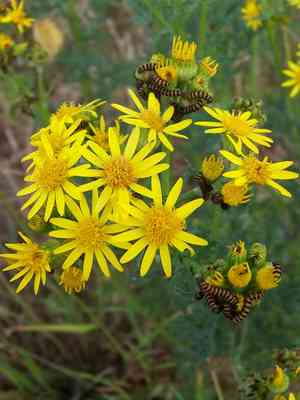
Tansy ragwort (Jacobaea vulgaris)
Also known as: Stinking willie, St. James-wort
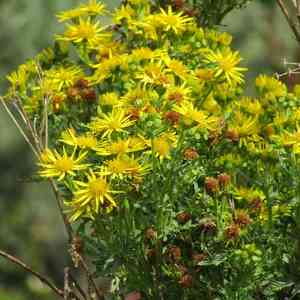
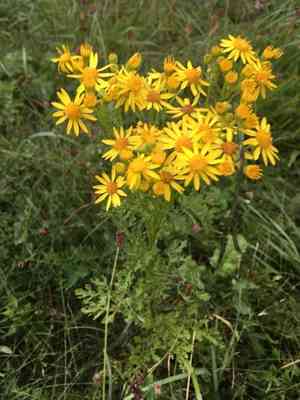
Tansy ragwort, a biennial plant recognized as a noxious weed in many parts of the United States, is toxic to livestock, pets, and humans. This plant typically inhabits sunny, open spaces such as pastures and meadows. It is characterized by its bright yellow flowers and can reach a height of 61 to 122 cm.
In This Article
Attributes of Tansy ragwort
Lifespan
Biennial, Perennial
Plant Type
Herb
Plant Height
20 cm to 1 m
Spread
50 cm to 1 m
Leaf Color
Green Blue Black
Flower Size
1.5 cm to 2.5 cm
Flower Color
Yellow
Images of Tansy ragwort
Quickly Identify Tansy ragwort
1
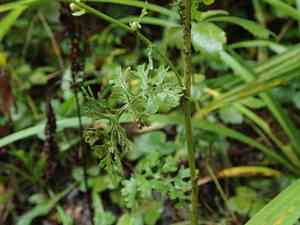
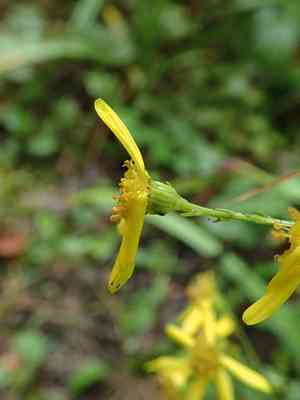
Jacobaea vulgaris can be identified by its bright yellow, daisy-like flowers with numerous narrow petals. The leaves are deeply lobed, with the lower leaves forming a rosette at the base of the plant and the upper leaves clasping the stem.
Scientific Classification of Tansy ragwort
Phylum
Vascular plants
Class
Dicotyledons
Order
Asterales
Family
Daisy
Genus
Jacobaea
Species
Tansy ragwort
Planting and Growing of Tansy ragwort
Care Difficulty
Moderate
Watering Schedule
Every 2 days
Sunlight Requirements
Full sun
Sunshine Duration
4-6 hours
Ideal Temperature
60-75℉
Soil Type
Potting Mix, Peat Mix
Soil pH
6.5-7.5
Fertilizer Type
Balanced
Pruning Season
Spring, Summer
Pruning Area
Branches, Leaves
Pruning Frequency
2 times a year
Repotting Season
Spring
Pot Type
Plastic, Ceramic
 How to Water Tansy ragwort?
For Jacobaea vulgaris, it is crucial that the soil is moist but not waterlogged. Typically, around 500 ml of water per session is sufficient, aiming for thorough penetration, allowing water to seep through the soil and reach the root zone. This will ensure the plant receives the moisture it needs without drowning its roots.
What are the symptoms of an underwatered Tansy ragwort?
›
What should I do if my Tansy ragwort is not getting enough water?
›
What are the symptoms of an overwatered Tansy ragwort?
›
How to save an overwatered Tansy ragwort?
›
 What Are the Sunlight Requirements for Tansy ragwort?
Jacobaea vulgaris is best suited for environments with full sun to partial sun exposure. Consistent light availability promotes vigorous growth, vibrant blooms, and overall plant health, contributing to a resilient and flourishing specimen.
More About Sunlight Requirements Techniques→
Optimal Sunlight Exposure
›
Dealing with Fluctuating Light Levels
›
Balancing Heat and Light
›
 What Is the Ideal Temperature Range for Tansy ragwort?
The ideal temperature range for Jacobaea vulgaris, commonly known as ragwort, is between 60°F and 75°F. These temperatures allow for optimal growth and development, ensuring the plant's metabolic functions proceed efficiently. Within this range, ragwort can thrive and produce flowers, which is critical for its reproductive cycle.
 What Soil is Best for Tansy ragwort?
Jacobaea vulgaris thrives in soil that is moderately rich in organic matter. This nutrient-rich environment supports its rapid growth and robust foliage, ensuring it has ample resources for flowering and seed production. Well-draining soil is crucial for Jacobaea vulgaris as it prevents waterlogging, which can lead to root rot. This type of soil ensures that excess water flows away, keeping the roots healthy and promoting vigorous plant growth. While the plant prefers well-draining soil, it also benefits from some moisture retention to keep the roots hydrated. This balance helps maintain steady growth and prevents stress during dry periods.
More About Soil→
 How to Fertilize Tansy ragwort?
Jacobaea vulgaris typically requires a light to moderate amount of fertilizer. When using liquid fertilizers, dilute them to half strength to avoid over-fertilization. A general rule of thumb is to use about 1-2 teaspoons per gallon of water, ensuring it's evenly distributed across the soil.
 How to Prune Tansy ragwort?
Start by removing any dead or damaged stems. Follow by cutting back formidably growing shoots to maintain plant shape. Ensure you don't cut too deep into the plant base, which might inhibit new growth.
 How to Propagate Tansy ragwort plant?
1
Harvest seeds from mature Jacobaea vulgaris plants when the flower heads have dried. Carefully separate the seeds from the flower heads and store them in a dry, cool place until planting.
2
Prepare a well-draining soil mixture by combining potting soil with sand or perlite. This mixture provides the necessary drainage and aeration for seeds and root cuttings to grow properly.
3
Sow seeds lightly on the soil surface or insert cuttings with a portion of the root into the prepared soil. Ensure they are covered with a thin layer of soil to promote soil contact, essential for germination or root growth.
 How to Repot Tansy ragwort plant?
1
Jacobaea vulgaris often indicates the need for repotting when you notice roots emerging from the bottom of the pot or if growth appears stunted despite adequate care. The ideal time is during early spring before the plant resumes active growth. This timing minimizes stress and allows ample time for root establishment.
2
Select a pot that is only slightly larger than the current one to prevent waterlogging from excess soil. Make sure it has drainage holes to facilitate excess water escape, which is crucial for preventing root rot. Opt for a material like terra-cotta for its breathability and ability to wick away moisture.
3
A well-draining, sandy soil mix is ideal for Jacobaea vulgaris. This composition ensures efficient drainage while retaining adequate nutrients. The inclusion of sand or perlite prevents compacting, enhancing root aeration and promoting robust growth.
Toxicity
Ingestion of the plant\'s parts or contaminated forage
WARNING
The judgment on toxicity and danger is for reference only. We DO NOT GUARANTEE any accuracy of such judgment. Therefore, you SHALL NOT rely on such judgment. It is IMPORTANT TO SEEK PROFESSIONAL ADVICE in advance when necessary.
Learn More About Tansy ragwort Diseases
Anthracnose
Bacterial Leaf Spot
Bacterial Soft Rot
Bacterial Wilt
Black Spot
Chemical Injury
Crown Gall
Cyst Nematode
Damping-off
Downy Mildew
Drought Stress
Fusarium Wilt
Gray Mold
Leaf Curl
Leaf Spot
Mosaic
Nutrient Deficiency
Nutrient Toxicity
Powdery Mildew
Root Rot
Root-knot Nematode
Rusts
Sooty Mold
Spider Mites
Temperature Stress
Thrips Damage
White Mold



