How to Transplant Ginger-leaf morning-glory?
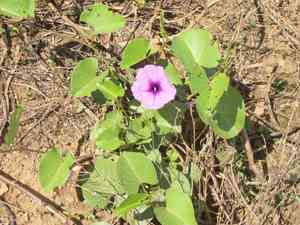
For Ipomoea hederifolia, the ideal period for relocation spans from the latter part of spring through mid-summer, facilitating robust root development. Select a brightly lit location with soil that drains effectively to ensure a successful transfer.
What Preparations are Needed Before Transplanting Ginger-leaf Morning-glory?
What is the Ideal Time for Transplanting Ginger-leaf Morning-glory?
The perfect time to move ginger-leaf morning-glory is from late spring through mid-summer. During these warmer months, the mild climate provides an optimal growth environment for its roots. Transplanting ginger-leaf morning-glory within this period promotes strong establishment, ensuring healthy development and improving survival rates. It's an excellent time to encourage robust root systems before autumn's chill, leading to a thriving addition to your garden.
How Much Space Should You Leave Between Ginger-leaf Morning-glory Plants?
Hello, gardener! You'll want to give your ginger-leaf morning-glory ample room to grow. Aim to space them approximately 18-24 inches (45-60 cm) apart. This provides your plants sufficient area to spread their roots and flourish without competing for nutrients.
What is the Best Soil Mix for Ginger-leaf Morning-glory Transplanting?
For your ginger-leaf morning-glory, envision preparing a comfortable bed! Utilize well-draining soil with a rich composition, such as loamy or sandy soil. Before planting, incorporate a balanced, slow-release fertilizer to give your plants a nutritional head start.
Where Should You Relocate Your Ginger-leaf Morning-glory?
Find a sunny spot for your ginger-leaf morning-glory, as they love to soak up full sunlight for most of the day. A location receiving at least 6 hours of direct sunlight should be perfect for these vibrant bloomers to grow healthily and happily.
What Equipments Should You Prepare Before Transplantation Ginger-leaf Morning-glory?
Gardening Gloves
To safeguard your hands while handling soil and plants.
Shovel or Garden Spade
For excavating the plant and creating the transplant hole.
Watering Can or Hose
To hydrate the plant before and after relocation.
Garden Trowel
Useful for loosening soil around roots and managing smaller plants.
Wheelbarrow or Garden Cart
To move the plant and soil efficiently.
Pruning Shears
To trim any damaged roots or leaves prior to transplanting.
Mulch
To help retain soil moisture post-transplantation.
Plant Support Stakes
To offer necessary support for ginger-leaf morning-glory if required.
How Do You Remove Ginger-leaf Morning-glory from the Soil?
How Do You Remove Ginger-leaf Morning-glory from the Soil?
From Ground: First, thoroughly water the ginger-leaf morning-glory to moisten the soil. This helps minimize plant stress and simplifies digging. Use a shovel or garden spade to dig a wide trench around the ginger-leaf morning-glory, ensuring enough space to avoid damaging the root ball. Gently work the tool beneath the root ball, and carefully lift the plant from the ground.From Pot: If the ginger-leaf morning-glory is currently in a pot, begin by watering the plant extensively. This will help loosen the roots within the container. Tilt the pot sideways and gently tap the exterior to encourage the root ball to release. If needed, use a garden trowel to assist with removal.From Seedling Tray: For ginger-leaf morning-glory seedlings, pre-moisten the soil to reduce root disturbance. Carefully separate individual seedlings by gently teasing them apart or using a small trowel. Gently pull up the seedlings while supporting the stem's base to prevent breakage.
Step-by-Step Guide for Transplanting Ginger-leaf Morning-glory
Preparation
Ensure all necessary tools and supports are ready. Water the ginger-leaf morning-glory thoroughly before attempting to remove it from its current spot. This reduces plant stress.
Digging The Hole
Excavate a hole in the new location that is twice as wide and roughly the same depth as the ginger-leaf morning-glory's root ball.
Root Pruning
Inspect the root ball and trim any broken or excessively long roots with pruning shears to encourage new growth.
Placement
Gently position the ginger-leaf morning-glory into the hole. The top of the root ball should be level with the surrounding soil surface.
Fill In
Backfill the hole with soil, gently firming it around the ginger-leaf morning-glory's root ball to eliminate air pockets.
Staking
If the ginger-leaf morning-glory requires additional support, insert plant support stakes into the ground now, ensuring they do not harm the root ball.
Watering
Water the transplanted ginger-leaf morning-glory thoroughly to settle the soil and help alleviate transplant shock.
Mulching
Apply a layer of mulch around the base of the ginger-leaf morning-glory to help retain moisture and regulate soil temperature.
How Do You Care For Ginger-leaf Morning-glory After Transplanting?
Immediate Care
Check the plant's stability and ensure it is upright immediately after transplanting. Adjust the soil if needed to straighten the ginger-leaf morning-glory.
Regular Watering
Maintain a consistent watering schedule to keep the soil continuously moist, thereby supporting the establishment of new roots.
Monitoring Growth
Observe the ginger-leaf morning-glory for signs of growth or distress. New leaf development is a positive indicator, while wilting or leaf drop may suggest issues with root establishment or watering.
Protection
Provide shelter from strong winds or extreme temperatures for the initial few weeks to assist the plant's adaptation to its new environment.
Gentle Feeding
Avoid heavy fertilization right after transplanting. Once new growth appears, you can introduce a mild, balanced fertilizer to support healthy development.
Troubleshooting Common Issues with Ginger-leaf Morning-glory Transplantation.
When is the best time to transplant ginger-leaf morning-glory?
Transplant ginger-leaf morning-glory in late spring to mid-summer to allow roots to establish before cold weather.
How far apart should I space ginger-leaf morning-glory when transplanting?
Space ginger-leaf morning-glory about 18-24 inches (45-60 cm) apart to ensure ample growing room for development.
What soil conditions favor ginger-leaf morning-glory during transplantation?
Aim for well-draining, fertile soil with a balanced pH. Amend with compost if needed.
How deep should the hole be for transplanting ginger-leaf morning-glory?
Dig a hole twice as wide and the same depth as the root ball of ginger-leaf morning-glory.
Can I transplant ginger-leaf morning-glory on a hot, sunny day?
Transplant ginger-leaf morning-glory on a cloudy day or in the evening to reduce transplant shock and water stress.
How much should I water ginger-leaf morning-glory after transplanting?
Water thoroughly after transplanting to settle the soil around the roots and maintain moist soil for a week.
Why are my transplanted ginger-leaf morning-glory plants wilting?
Wilting may be due to transplant shock. Keep soil moist and provide shade if necessary until they recover.
Should I use fertilizer immediately after transplanting ginger-leaf morning-glory?
Wait to fertilize ginger-leaf morning-glory until they've established, about 3-4 weeks post-transplanting, to prevent root burn.
How do I know if ginger-leaf morning-glory has transplant shock?
Signs include wilting, yellowing leaves, or slow growth. Ensure proper care and avoid severe weather conditions.
Can I transplant ginger-leaf morning-glory with flowering buds?
Transplanting ginger-leaf morning-glory with buds can be risky; they may drop. It's best to wait until the plant is less stressed.



