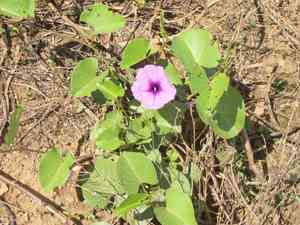
Ginger-leaf morning-glory (Ipomoea asarifolia)
Also known as: Coastal Morning Glory, Bindweed
Ginger-leaf morning-glory, known for its heart-shaped leaves and delicate trumpet-shaped flowers ranging from pink to lavender, thrives in tropical regions. This plant typically blooms from late summer to early autumn. While visually appealing, it is important to note that all parts of this plant are toxic. Despite its toxicity, its seeds are particularly attractive to birds, making it an interesting option for bird enthusiasts.
In This Article
Attributes of Ginger-leaf morning-glory
Lifespan
Perennial
Plant Type
Herb
Plant Height
1-2 meters (3.3-6.6 feet)
Spread
N/A (trailing/climbing plant)
Leaf Color
Green
Flower Size
3-5 cm (1.2-2 inches)
Flower Color
White to light pink
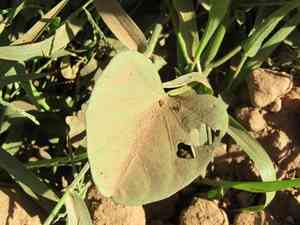
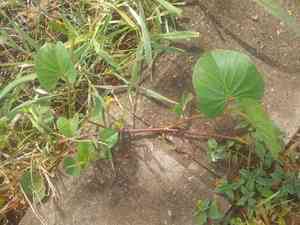
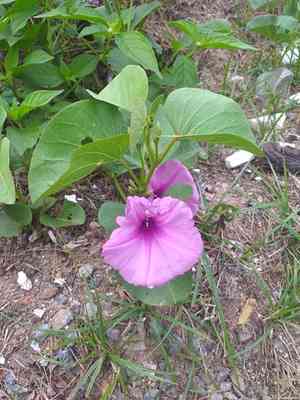
Images of Ginger-leaf morning-glory
Quickly Identify Ginger-leaf morning-glory
1
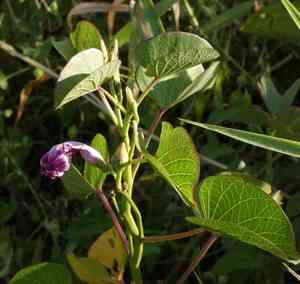
To identify Ipomoea asarifolia, look for its heart-shaped leaves and the funnel-shaped flowers that are typically white or light pink. The stems are usually long and vine-like, capable of climbing or trailing.
Scientific Classification of Ginger-leaf morning-glory
Phylum
Vascular plants
Class
Dicotyledons
Order
Solanales
Family
Morning-glory
Genus
Morning glories
Species
Ginger-leaf morning-glory
Planting and Growing of Ginger-leaf morning-glory
Care Difficulty
Easy
Watering Schedule
Every 4 days
Sunlight Requirements
Full sun
Sunshine Duration
6-10 hours
Ideal Temperature
65-85℉
Soil Type
Potting Mix, Peat Mix
Soil pH
6.5-7.5
Fertilizer Type
Balanced
Pruning Season
Spring, Summer
Pruning Area
Branches, Leaves
Pruning Frequency
2 times a year
Repotting Season
Spring
Pot Type
Plastic, Ceramic
 How to Water Ginger-leaf morning-glory?
When watering Ipomoea asarifolia, the goal is to keep the soil consistently moist but not waterlogged. Each time you water, aim for about 500 ml, enough to moisten the soil throughout. However, ensure that the water drains well to avoid root rot.
What are the symptoms of an underwatered Ginger-leaf morning-glory?
›
What should I do if my Ginger-leaf morning-glory is not getting enough water?
›
What are the symptoms of an overwatered Ginger-leaf morning-glory?
›
How to save an overwatered Ginger-leaf morning-glory?
›
 What Are the Sunlight Requirements for Ginger-leaf morning-glory?
Ipomoea asarifolia prefers partial to full sun exposure. This ensures optimal growth, encouraging lush foliage and maintaining the plant's vibrant health.
What are the ideal light conditions for Ipomoea asarifolia?
›
How can you ensure early morning sunlight for the plant?
›
What happens if the plant gets optimal sunlight?
›
 What Is the Ideal Temperature Range for Ginger-leaf morning-glory?
Ipomoea asarifolia thrives best in temperatures between 65°F and 85°F. This temperature range supports optimal growth by ensuring the plant's physiological processes, such as photosynthesis and respiration, are running efficiently. Maintaining this range helps in achieving lush foliage and vibrant blooms.
 What Soil is Best for Ginger-leaf morning-glory?
Ipomoea asarifolia thrives in well-drained soil, which ensures excess water flows away easily. This reduces root rot and promotes healthy growth, as the roots have access to both moisture and oxygen. The plant prefers soil with moderate fertility to offer essential nutrients while avoiding excessive greenery with few flowers. Balanced fertilization ensures vibrant blooms and robust foliage. While the soil needs to be well-draining, it should also retain some moisture. This ensures the plant remains hydrated without risking waterlogged conditions that could damage the roots.
 How to Fertilize Ginger-leaf morning-glory?
For Ipomoea asarifolia, it is essential to adjust the fertilizer quantity based on the plant's growth stage. During active growth periods, a balanced liquid fertilizer diluted to half strength should be applied every two weeks. During dormant periods, reduce the frequency significantly to avoid nutrient overload.
 How to Prune Ginger-leaf morning-glory?
Start by using clean, sharp shears to trim back any dead or diseased stems to encourage healthy growth. Cut these stems back to the nearest healthy node. Next, remove any tangled or crossing branches to improve air circulation. Finally, shape the plant by selectively trimming to maintain its desired size and form while ensuring the plant's energy is not wasted on unnecessary growth.
 How to Propagate Ginger-leaf morning-glory plant?
1
Start by choosing healthy seeds of Ipomoea asarifolia. Fill small pots with a seed-starting mix and plant seeds at a depth of 0.5 cm. Keep the soil moist but not waterlogged until seedlings appear.
2
Select a healthy stem and use sterilized pruning shears to cut a 10-15 cm section. Remove lower leaves to prevent rot and ensure a few leaves are left at the top.
3
Dip the cut end of the stem in rooting hormone before inserting it into a pot filled with well-draining potting mix. Water lightly to settle the soil around the cutting.
 How to Repot Ginger-leaf morning-glory plant?
1
You should consider repotting Ipomoea asarifolia when you notice roots growing out of the drainage holes or the plant's growth seems stunted. Ideally, repotting is best done during its active growth periods in spring or early summer when the plant can recover quickly and establish itself.
2
Choose a pot that’s 1 to 2 inches larger in diameter than the current one. The pot should have adequate drainage holes to prevent waterlogging, which can lead to root rot. Larger pots allow more room for roots to expand and keep the plant healthy, promoting vigorous growth.
3
Opt for a well-draining potting mix, perhaps adding perlite or sand to improve aeration. This ensures that water drains quickly, preventing root rot and promoting a healthy root system. A good mix helps the plant absorb essential nutrients efficiently.
Toxicity
Ingestion
WARNING
The judgment on toxicity and danger is for reference only. We DO NOT GUARANTEE any accuracy of such judgment. Therefore, you SHALL NOT rely on such judgment. It is IMPORTANT TO SEEK PROFESSIONAL ADVICE in advance when necessary.
Learn More About Ginger-leaf morning-glory Diseases
Anthracnose
Bacterial Leaf Spot
Bacterial Wilt
Chemical Injury
Damping-off
Downy Mildew
Drought Stress
Fusarium Wilt
Gray Mold
Leaf Curl
Leaf Spot
Mosaic
Nutrient Deficiency
Nutrient Toxicity
Powdery Mildew
Root Rot
Root-knot Nematode
Rusts
Sooty Mold
Spider Mites
Temperature Stress
Thrips Damage
White Mold



