How to Transplant Chinese indigo?
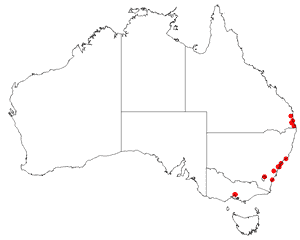
Chinese indigo flourishes when relocated from early to mid-spring, benefiting from mild temperatures and vigorously developing roots. Select a bright or partly shaded spot with soil that drains effectively for the best outcome.
What Preparations are Needed Before Transplanting Chinese Indigo?
What is the Ideal Time for Transplanting Chinese Indigo?
The best time to move chinese indigo is from the beginning to the end of spring. This timing allows chinese indigo to establish its root system before the intense heat of summer. Transplanting during this period takes advantage of mild temperatures and consistent rainfall, promoting strong development and increasing the plant's chances of flourishing in its new spot.
How Much Space Should You Leave Between Chinese Indigo Plants?
When relocating chinese indigo, aim for a separation of 2 to 3 feet (60 to 90 cm) between each plant. This will ensure they have sufficient room to grow and thrive without competing for resources.
What is the Best Soil Mix for Chinese Indigo Transplanting?
For chinese indigo, prepare soil that drains well and is rich in organic matter. A loamy soil mixture is most effective. You can incorporate a slow-release, balanced fertilizer to boost nutrients and aid the plant in settling after transplantation.
Where Should You Relocate Your Chinese Indigo?
Select a site for chinese indigo that receives full sunlight, approximately 6 to 8 hours daily. This plant thrives in sunlight, which will help encourage vigorous growth and abundant blooms.
What Equipments Should You Prepare Before Transplantation Chinese Indigo?
Gardening Gloves
To safeguard your hands while handling soil and plants.
Spade or Shovel
For excavating the plant from its original spot and preparing the new planting hole.
Trowel
For working in confined areas and making minor soil adjustments.
Watering Can or Hose
To maintain soil moisture before, during, and after the transplanting process.
Pruning Shears
To trim any damaged roots or foliage during the transplant.
Wheelbarrow (optional)
For moving the plant and soil materials if the distances are considerable.
How Do You Remove Chinese Indigo from the Soil?
How Do You Remove Chinese Indigo from the Soil?
From Ground: First, hydrate the chinese indigo plant to moisten the soil. Then, dig a wide trench around the plant using a shovel or spade, ensuring the plant's root ball remains intact. Carefully work the spade beneath the root ball to lift the plant from its original location.From Pot: Water the chinese indigo plant to loosen the soil. Gently invert the pot while supporting the plant's base and tap the pot to release the plant. If the plant is root-bound, carefully separate the roots with your fingers.From Seedling Tray: Water the seedlings to make the soil easier to manage. Use a small trowel or your fingers to gently lift each chinese indigo seedling, taking care to keep as much of the root structure intact as possible.
Step-by-Step Guide for Transplanting Chinese Indigo
Site Preparation
Ensure the new location is ready before you extract the chinese indigo from its initial spot. Dig a hole twice as wide and the same depth as the plant's root ball.
Plant Removal
Carefully remove the chinese indigo using the methods described for its specific original location (ground, pot, or seedling tray).
Plant Positioning
Place the chinese indigo in the center of the prepared hole. Ensure the top of the root ball is level with or slightly above the surrounding soil to allow for settling.
Backfilling
Fill the hole with the excavated soil, firmly pressing it around the root ball to eliminate air pockets. Add soil gradually and water lightly in stages to compact the soil properly.
Watering
After planting, water thoroughly to settle the soil and hydrate the plant.
How Do You Care For Chinese Indigo After Transplanting?
Watering
Keep the soil around the chinese indigo consistently moist, but not waterlogged, for the initial weeks after transplanting to help establish strong roots.
Mulching
Apply a layer of mulch around the base of the chinese indigo to help retain moisture and regulate soil temperature.
Pruning
Trim any damaged or excessively long roots before planting and remove any dead or damaged foliage post-transplant to reduce stress on the plant.
Monitoring
Regularly check for signs of stress like wilting, yellowing, or leaf drop. Address any issues promptly, such as adjusting watering practices or protecting the plant from harsh weather.
Troubleshooting Common Issues with Chinese Indigo Transplantation.
When is the best time to transplant chinese indigo?
The optimal period for relocating chinese indigo is from early spring to late spring.
How much space should I leave between chinese indigo plants?
Ensure you plant chinese indigo with 2 to 3 feet (60-90 cm) between each for healthy growth.
How deep should the hole be for transplanting chinese indigo?
Dig a hole twice the width and the same depth as the root ball of chinese indigo.
Should I water chinese indigo immediately after transplanting?
Yes, water chinese indigo thoroughly after transplanting to help establish its roots.
How do I prepare chinese indigo for transplanting?
Gently loosen the roots of chinese indigo if they are pot-bound before placing it in the ground.
What type of soil is best for chinese indigo?
Chinese indigo thrives in well-draining soil with a slightly acidic to neutral pH.
Should I prune chinese indigo before transplanting?
Lightly pruning chinese indigo before transplanting can reduce stress and promote healthier growth.
How do I prevent transplant shock in chinese indigo?
Keep the roots moist, avoid excessive handling, and water well to minimize transplant shock for chinese indigo.
How much sunlight does chinese indigo need after transplanting?
Chinese indigo prefers full sun, so make sure to choose a sunny spot for transplanting.
How can I ensure chinese indigo establishes well in its new location?
Provide consistent moisture, mulch around the base, and avoid jostling the plant post-transplant.



