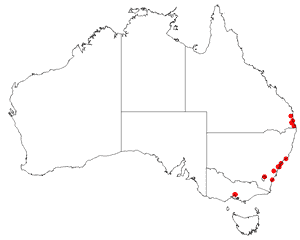
Chinese indigo (Indigofera decora)
Also known as: Chines indigo
Originally from Asia, Chinese indigo is valued for its dye-producing capabilities. This plant, characterized by its bright, pendulous flowers that attract butterflies, can also be found in regions of Africa and Australia.
In This Article
Attributes of Chinese indigo
Lifespan
Perennial
Plant Type
Shrub
Plant Height
30 cm to 76 cm
Spread
90 cm to 1.2 m
Leaf Color
Green
Flower Size
8 cm to 15 cm
Flower Color
Pink, Purple
Images of Chinese indigo
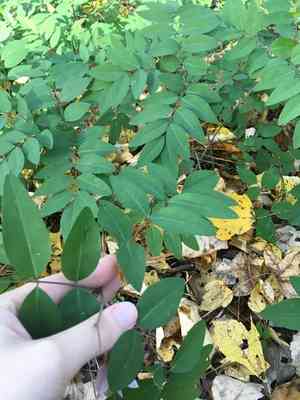
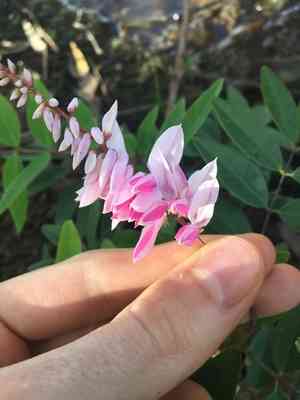
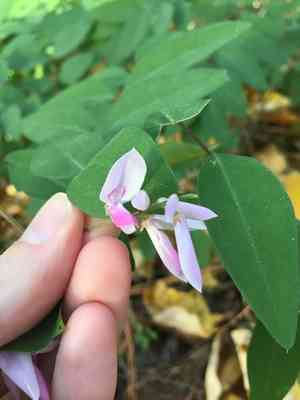
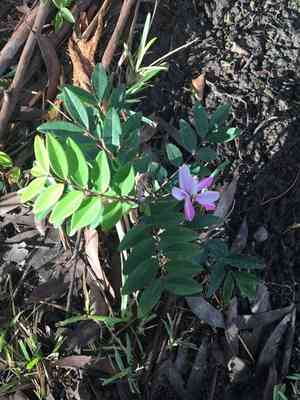
Quickly Identify Chinese indigo
1
Identify Indigofera decora by its pinnate leaves with multiple small leaflets, and its slender, upright growth habit. The plant produces dense clusters of small flowers, usually pink or purple in color.
Scientific Classification of Chinese indigo
Phylum
Vascular plants
Class
Dicotyledons
Order
Fabales
Family
Legume
Genus
Indigofera
Species
Chinese indigo
Planting and Growing of Chinese indigo
Care Difficulty
Moderate
Watering Schedule
Every 2 days
Sunlight Requirements
Partial sun
Sunshine Duration
6-10 hours
Ideal Temperature
59-77℉
Soil Type
Potting Mix, Peat Mix
Soil pH
6.5-7.5
Fertilizer Type
Balanced
Pruning Season
Spring, Summer
Pruning Area
Branches, Leaves
Pruning Frequency
2 times a year
Repotting Season
Spring
Pot Type
Plastic, Ceramic
 How to Water Chinese indigo?
Indigofera decora prefers to have its soil consistently moist, but not waterlogged. The ideal watering amount is around 250 milliliters per session. Ensure the water thoroughly reaches the root zone but avoid standing water. A good rule of thumb is to water until you see a little exiting from the drainage holes in the pot.
What are the symptoms of an underwatered Chinese indigo?
›
What should I do if my Chinese indigo is not getting enough water?
›
What are the symptoms of an overwatered Chinese indigo?
›
How to save an overwatered Chinese indigo?
›
 What Are the Sunlight Requirements for Chinese indigo?
Indigofera decora benefits from partial to full sunlight, ideally achieving 4-6 hours of direct or filtered sunlight daily. Adequate light supports healthy leaf and flower development, crucial for overall plant vitality.
How much sunlight does Indigofera decora need?
›
What are the solutions to achieve ideal light conditions?
›
What benefits does ideal lighting offer to Indigofera decora?
›
 What Is the Ideal Temperature Range for Chinese indigo?
For optimal growth, Indigofera decora thrives in temperatures ranging from 59°F to 77°F. This range provides a comfortable environment that supports healthy development and flowering. The plant's metabolism functions optimally within this range, allowing for proper photosynthesis and nutrient absorption.
 What Soil is Best for Chinese indigo?
The plant requires well-draining soil to prevent root rot, which is crucial as it helps the plant to thrive by allowing water to flow through the soil efficiently and avoiding waterlogged roots. Indigofera decora thrives in nutrient-rich soil, providing an abundant supply of essential minerals for strong growth. This enriches the plant's roots, stems, and leaves, leading to a healthier, more vibrant plant. While good drainage is essential, the soil should also retain some moisture to keep the plant hydrated between waterings, making sure it doesn't dry out too quickly, ensuring sustained growth and vitality.
 How to Fertilize Chinese indigo?
For Indigofera decora, the ideal fertilizer amount is modest; too much can harm its delicate roots. Use a balanced liquid fertilizer diluted to half strength. Apply about 1 to 2 tablespoons for small plants and slightly more for larger ones. The plant thrives with a gentle hand, so remember that less is often more.
 How to Prune Chinese indigo?
Start by identifying and removing any dead or diseased branches. Next, thin out the plant by cutting back branches that are overcrowding. Aim to maintain a balanced shape by trimming overgrown sections but avoid cutting back more than one-third of the plant at any time to ensure recovery and growth. Use clean cuts at a 45-degree angle just above a leaf node to encourage new growth. This technique helps in managing the direction of the new growth and maintains the aesthetic appeal of the shrub.
 How to Propagate Chinese indigo plant?
1
Collect seeds from mature plants when the pods have dried but not yet split. Gently open the pods to release the seeds and store them in a cool, dry place until you're ready to plant.
2
Select healthy, non-flowering shoots and cut them about 10-15 cm long. Remove the leaves from the lower half to prevent rotting when planted in soil.
3
For division, uproot the entire plant carefully and separate sections with at least a few roots. Replant them in individual pots or directly in the ground.
 How to Repot Chinese indigo plant?
1
Indigofera decora shows signs of needing repotting when roots start emerging from the drainage holes or when its growth appears stunted. Repotting every 2 to 3 years during the active growing seasons of spring or summer ensures the plant has adequate space and nutrients for optimal growth.
2
Select a pot that is one size larger than the current one and has good drainage holes. The bigger pot accommodates new root growth, preventing root binding, and ensures excess water drains away, reducing the risk of root rot.
3
Choose a well-draining, sandy loam soil mix for repotting. This type of soil mimics the plant's natural habitat, providing both stability and aeration, which enhances root health and subsequently the overall vigor of Indigofera decora.
Toxicity
Ingestion
WARNING
The judgment on toxicity and danger is for reference only. We DO NOT GUARANTEE any accuracy of such judgment. Therefore, you SHALL NOT rely on such judgment. It is IMPORTANT TO SEEK PROFESSIONAL ADVICE in advance when necessary.
Learn More About Chinese indigo Diseases
Anthracnose
Bacterial Leaf Spot
Bacterial Wilt
Crown Gall
Cyst Nematode
Damping-off
Downy Mildew
Drought Stress
Fusarium Wilt
Gray Mold
Leaf Spot
Mosaic
Nutrient Deficiency
Nutrient Toxicity
Powdery Mildew
Root Rot
Root-knot Nematode
Rusts
Sooty Mold
Spider Mites
Temperature Stress
Thrips Damage
White Mold



