How to Transplant Coquí?
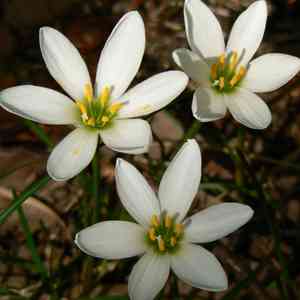
CoquÃ, a charming perennial, flourishes when relocated from the beginning to the end of summer because of ideal growing circumstances. Provide a bright spot with soil that drains effectively. Sufficient distance and careful handling encourage successful establishment.
What Preparations are Needed Before Transplanting CoquÃ?
What is the Ideal Time for Transplanting CoquÃ?
Coquà is best moved from early to late summer, a time known for prime growth and minimal transplant stress. This timing ensures the perennial establishes well before dormancy, boosting its strength and resilience. By selecting this window, gardeners optimize coquÃ's root development and overall vitality, fostering a robust and healthy plant.
How Much Space Should You Leave Between Coquà Plants?
When relocating coquÃ, ensure a spacing of 6-12 inches (15-30 cm) between them. This distance provides ample room for each plant to develop and flourish without competing for resources. Proper spacing is crucial for healthy plant growth.
What is the Best Soil Mix for Coquà Transplanting?
Prepare well-draining soil by blending garden soil with compost or aged manure. This will enrich the soil and guarantee coquà receives vital nutrients. A balanced, slow-release base fertilizer is also recommended to encourage robust root development.
Where Should You Relocate Your CoquÃ?
Select a site that receives full sunlight or partial shade. Coquà thrives best with at least 6 hours of daily sunlight but can endure some afternoon shade. Ensuring sufficient light exposure is essential for vigorous growth.
What Equipments Should You Prepare Before Transplantation CoquÃ?
Gardening Gloves
To shield your hands while handling soil and plants.
Small Trowel
Useful for excavating the hole for relocating coquÃ.
Shovel or Spade
For digging around the plant and lifting it from the ground.
Watering Can
To hydrate the plant before and after its relocation.
Garden Fork or Hand Fork
To loosen the soil around the root ball without causing damage.
Plant Labels
To mark the new position of your coquà for easier identification.
How Do You Remove Coquà from the Soil?
How Do You Remove Coquà from the Soil?
From Ground: First, water the coquà plant to moisten the soil. Then, dig a wide trench around the plant using a shovel or spade, ensuring the plant's root ball stays intact. Carefully work the spade under the root ball to lift the plant from its original spot.From Pot: Gently tap the pot's sides to loosen the soil. Tilt the pot and carefully slide the plant out, supporting the plant's base and roots. If the plant is root-bound, gently massage the root ball to free the roots.From Seedling Tray: Water the seedling tray to facilitate the removal of the coquà seedlings. Use a small trowel or your fingers to gently lift each seedling, taking care not to harm the roots.
Step-by-Step Guide for Transplanting CoquÃ
Site Selection
Choose a location with appropriate sunlight and ample space for your coquà plant to reach its full size.
Prepare the Soil
Ensure the soil drains well and incorporate some compost to enrich it.
Digging the Hole
Excavate a hole that is twice as wide and the same depth as the root ball of the coquà plant.
Removing the Plant
Follow the instructions in the 'removal process' section to carefully extract your coquà plant from its initial location.
Placing the Plant in the Hole
Position the coquà in the prepared hole, ensuring it sits at the same depth as it was in its original spot. Fill the hole with soil, gently firming it around the plant's base.
Watering
Thoroughly water the relocated coquà to help settle the soil around its roots.
How Do You Care For Coquà After Transplanting?
Watering
Keep the soil around the coquà consistently moist, but not waterlogged, for the initial weeks after transplanting to aid in establishing strong roots.
Mulching
Apply a layer of mulch around the plant's base to help retain soil moisture and protect the roots.
Monitoring
Observe your coquà for signs of transplant shock, such as wilting or yellowing leaves, and provide additional care as needed.
Pruning
Trim any damaged or dead foliage to encourage new growth and reduce stress on the plant.
Troubleshooting Common Issues with Coquà Transplantation.
When is the best time to transplant coquÃ?
Early to late summer is the optimal period to relocate coquÃ.
How far apart should I space coquà plants?
Space coquà plants 6-12 inches (15-30 cm) apart for ideal growth.
What type of soil is best for coquÃ?
Well-draining, sandy or loamy soil is perfect for transplanting coquÃ.
How do I prepare the soil before transplanting coquÃ?
Loosen the soil and mix in compost to enhance drainage and nutrient content.
What is the best way to remove coquà from its original spot?
Gently dig around the plant, lifting it with the root ball intact.
How deep should I plant coquà in its new location?
Plant coquà at the same depth it was growing initially to prevent stress.
How should I water coquà after transplanting it?
Water thoroughly immediately after planting to help establish roots.
What should I do if coquà shows signs of transplant shock?
Provide shade and keep the soil moist to alleviate transplant shock symptoms.
How can I ensure coquà gets enough sunlight after transplanting?
Coquà prefers full sun, so choose a sunny spot with at least 6 hours of sunlight.
Should I fertilize coquà immediately after transplanting?
Wait a few weeks before fertilizing to avoid burning the roots.



