How to Prune Coquí?
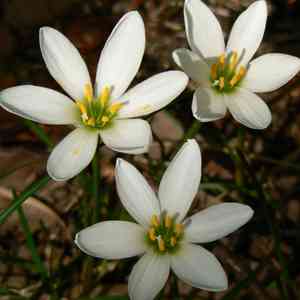
Distinguished by its compact stature and vibrant yellow blossoms, coquà flourishes with judicious trimming. The most suitable periods are early spring or late winter, coinciding with its developmental phase. Trim to eliminate deceased or compromised leaves, stimulate denser development, and enhance airflow. Gentle snipping typically suffices, concentrating on contouring and excising spent flower stalks. Pruning elevates its aesthetic value and guarantees more robust, healthier flowering. Consistently employ sanitized implements to avert pathogen transmission.
What Are the Benefits of Pruning CoquÃ?
What Are the Benefits of Pruning CoquÃ?
Trimming coquà encourages robust development and helps maintain an appealing form. Regular cutting can foster healthier and stronger growth, making the plant more resilient to illnesses and pests while ensuring ideal size and structure.
What Is the Best Time for Pruning CoquÃ?
What Is the Best Time for Pruning CoquÃ?
Trimming or cutting coquà in early spring or late winter is ideal because its growth cycle is mainly active from spring to summer. Pruning during these periods allows for the removal of dead or damaged foliage just before the plant begins its active growth phase, promoting healthier and more vigorous growth. Additionally, these seasons precede coquÃ's blooming period, ensuring that pruning does not interfere with the plantâs ability to produce flowers. These timing recommendations are widely supported by horticultural best practices for perennial plants, aligning with their natural dormant periods when they are less susceptible to stress and infection.
What Tools Do I Need to Prune CoquÃ?
Bypass Pruners
Bypass pruners are perfect for coquà as they deliver clean cuts without crushing stems, which is vital for maintaining plant vitality.
Pruning Shears
Pruning shears are effective for cutting back any dead or damaged parts of coquÃ, encouraging better growth and lowering disease risk.
Hand Scissors
Hand scissors enable precise trimming of coquÃ's intricate foliage and delicate structure, ensuring accurate cuts.
Sterilizing Solution
Crucial for cleaning tools before and after pruning coquà to prevent the spread of pathogens.
Gloves
Gardening gloves safeguard your hands while pruning coquÃ, especially given the plant's delicate parts and potential soil contaminants.
How to Prune CoquÃ
Identify
Examine coquà to locate any diseased or withered leaves that require removal. Diseased leaves often show spots, discoloration, or a wilted appearance.
Prepare
Disinfect pruning shears with a solution of one part bleach to nine parts water to prevent the spread of disease.
Remove diseased
Cut off any diseased leaves at their base, close to the healthy part of the plant. Ensure you make clean cuts to minimize damage.
Remove withered
Trim withered leaves by cutting them off at the base near the soil level or where they attach to the main stem. This helps to avoid unnecessary stress on the plant.
Dispose
Dispose of the removed leaves carefully, preferably by burning or placing them in a sealed bag to prevent the spread of disease to healthy plants.
Common Pruning Mistakes with CoquÃ
Over-pruning
Removing too much foliage can stress coquÃ, reducing its ability to photosynthesize and stunting its growth.
Incorrect cutting technique
Using dull or dirty tools can cause ragged cuts, making coquà susceptible to diseases and pests.
Pruning at wrong growth stage
Pruning coquà during periods of active growth rather than dormancy can harm the plant, leading to reduced vigor and poor flowering.
Ignoring dead or diseased parts
Failing to remove dead or diseased leaves and stems can lead to the spread of infections and compromise the health of coquÃ.
Common Pruning Tips for CoquÃ
Use sharp, clean tools
Always utilize sharp and sterilized pruning shears to make clean cuts and prevent the introduction of pathogens.
Focus on dead or damaged parts
Primarily remove dead, diseased, or damaged leaves and stems to promote better air circulation and overall plant health.
Cut at a 45-degree angle
Making cuts at a 45-degree angle prevents water from accumulating on the cut surface, reducing the risk of rot and infection.
Prune conservatively
Limit pruning to no more than one-third of the plant at any single time to avoid stressing coquà excessively.



