How to Transplant Atlantic St. John's wort?
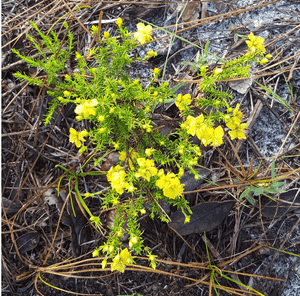
Atlantic St. John's wort flourishes when relocated during the mild weather of early to late spring or mid to late autumn. Select a bright, adequately drained spot. Verify that the soil quality is ideal, enabling atlantic St. John's wort to develop strong root systems prior to harsh climatic conditions.
What Preparations are Needed Before Relocating Atlantic St. John's Wort?
What is the Optimal Period for Relocating Atlantic St. John's Wort?
Atlantic St. John's wort, a perennial, is best moved from early to late spring or mid to late autumn. These times offer mild temperatures and sufficient soil moisture, promoting successful establishment. Relocating during these periods allows the plant to adapt and develop a strong root system before harsh summer or winter conditions.
How Much Space Should You Allow Between Atlantic St. John's Wort Plants?
When relocating atlantic St. John's wort, ensure plants are spaced 12-24 inches (30-60 cm) apart. This provides ample room for growth and comfortable spreading, fostering healthy development.
What is the Best Soil Mixture for Atlantic St. John's Wort Relocation?
Prepare the soil for atlantic St. John's wort by ensuring it drains well and is rich in organic material. You can incorporate compost or a balanced base fertilizer to supply essential nutrients for vigorous growth.
Where Should You Replant Your Atlantic St. John's Wort?
Position atlantic St. John's wort in a spot that receives full sun to partial shade. These plants flourish best with abundant sunlight, at least 6 hours of direct light daily.
What Tools Should You Prepare Before Relocating Atlantic St. John's Wort?
Gardening Gloves
To safeguard your hands while handling soil and plants.
Trowel
For excavating small holes and lifting plants from containers or trays.
Shovel or Spade
Essential for digging larger holes in the ground and extracting plants with a substantial root ball.
Watering Can or Hose
To hydrate the plant before and after relocation.
Pruners or Scissors
To trim any damaged roots or stems prior to relocation.
Wheelbarrow (optional)
For moving plants and soil.
How Do You Extract Atlantic St. John's Wort from the Soil?
How Do You Extract Atlantic St. John's Wort from the Soil?
From Ground: First, moisten the atlantic St. John's wort plant to dampen the soil. Next, dig a wide trench around the plant using a shovel or spade, ensuring the plant's root ball remains intact. Carefully work the spade beneath the root ball to lift the plant from its original spot.From Pot: Gently tap the pot's sides to loosen the soil. Invert the pot, supporting the plant with your hand, and slide the atlantic St. John's wort plant out by its base. Be gentle to avoid root damage.From Seedling Tray: Loosen the soil around the seedlings with a trowel. Carefully lift each atlantic St. John's wort seedling by its leaves or root ball (never by the stem) to prevent harm.
Step-by-Step Guide for Relocating Atlantic St. John's Wort
Site Preparation
Select a location that meets the sunlight and spacing needs of the atlantic St. John's wort plant. Dig a hole approximately twice the root ball's width and slightly deeper to allow ample room for root expansion.
Amending Soil
If necessary, enrich the soil in the planting hole to enhance drainage and nutrient content. Incorporate any recommended soil amendments.
Placing Plant
Position the atlantic St. John's wort plant in the hole's center, ensuring the root ball's top is level with or slightly above the surrounding soil to prevent stem rot.
Backfilling
Fill the hole with soil, gently pressing down to remove air pockets while avoiding excessive compaction. Water the plant thoroughly after backfilling to help the soil settle.
Mulching
Apply a layer of mulch around the base of the atlantic St. John's wort plant, leaving a gap around the stem to prevent moisture-related issues. Mulch helps retain soil moisture and suppress weeds.
How Do You Care For Atlantic St. John's Wort After Relocation?
Watering
Keep the soil around the atlantic St. John's wort consistently moist, but not waterlogged, for the initial weeks after relocation to aid in strong root establishment.
Monitoring
Regularly observe the plant for signs of stress such as wilting or yellowing foliage, and adjust watering as needed.
Pruning
Remove any damaged leaves or stems to encourage healthy growth and prevent disease.
Support
If the plant is tall or has a weak stem, consider staking it to provide support while it establishes in its new location.
Troubleshooting Common Issues with Atlantic St. John's Wort Relocation.
When is the best time to relocate atlantic St. John's wort?
Relocate atlantic St. John's wort from early to late spring, or mid to late fall for optimal results.
How far apart should atlantic St. John's wort be planted?
Space each atlantic St. John's wort plant 12-24 inches (30-60 cm) apart to ensure proper growth.
What should I do if atlantic St. John's wort leaves start wilting?
Ensure adequate watering after relocation. Water deeply but avoid saturating the roots.
How can I prevent relocation shock in atlantic St. John's wort?
Gradually acclimate atlantic St. John's wort to its new environment, and keep roots moist during the process.
Is it necessary to prune atlantic St. John's wort before relocating?
Pruning isn't required, but removing damaged branches can help the plant focus on root establishment.
What soil type is best for relocating atlantic St. John's wort?
Atlantic St. John's wort thrives in well-drained, sandy to loamy soils with good organic matter content.
Should I fertilize atlantic St. John's wort immediately after relocating?
Wait a few weeks after relocating atlantic St. John's wort before applying a balanced fertilizer.
How deep should the hole be for relocating atlantic St. John's wort?
Dig a hole twice as wide and as deep as the root ball of atlantic St. John's wort.
Can I relocate atlantic St. John's wort in hot weather?
Avoid relocating atlantic St. John's wort in extreme heat. Opt for cooler spring or fall temperatures.
What should I do if atlantic St. John's wort growth seems stunted after relocation?
Check for proper sunlight, water, and soil conditions. Adjust care to stimulate healthy growth.



