How to Transplant Meadow barley?
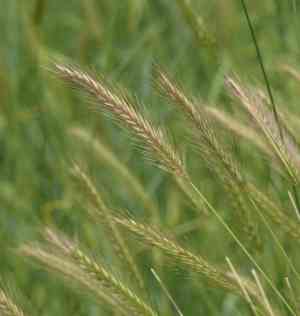
The ideal period for transplanting meadow barley is as winter's cold recedes, generally from early to mid-spring, capitalizing on its robust growth phase. Choose a location that receives abundant sunlight and possesses good drainage. Verify that the root system anchors securely, providing steady hydration at the outset.
What Preparations are Needed Before Transplanting Meadow Barley?
What is the Ideal Time for Transplanting Meadow Barley?
The perfect time to move your meadow barley is when winter's cold gives way to the gentle warmth of early to mid-spring. During these months, the soil temperature allows meadow barley's roots to get established before summer's full intensity. Transplanting at this time of renewal utilizes the season's natural growth cycle, giving meadow barley plenty of time to strengthen. This timing matches meadow barley's natural rhythms, ensuring a smooth transition with its environment. Rely on spring's touch to give your meadow barley the strongest start in its new spot.
How Much Space Should You Leave Between Meadow Barley Plants?
When preparing to plant your meadow barley, aim for a comfortable spacing of approximately 6-12 inches (15-30 cm) apart. This provides them with adequate room to grow and thrive without competing for resources.
What is the Best Soil Mix for Meadow Barley Transplanting?
Your meadow barley will flourish in soil that drains well and is enriched with organic material. Before transplanting, mix in some balanced, slow-release fertilizer to give your meadow barley a healthy beginning!
Where Should You Relocate Your Meadow Barley?
Choose a sunny location for your meadow barley where they can receive at least 6 hours of sunlight daily. Partial shade is acceptable, but full sun will make them most content!
What Equipments Should You Prepare Before Transplantation Meadow Barley?
Gardening Gloves
To safeguard your hands while handling soil and plants.
Shovel or Spade
For digging around and beneath the plant to extract it from its current position.
Garden Fork
To loosen compacted earth around the root ball when removing the plant.
Watering Can or Hose
For hydrating the plant prior to removal and after replanting.
Wheelbarrow or Garden Cart
To move the plant and soil to and from the new planting site.
Garden Trowel
For smaller digging tasks and refining the planting hole.
Pruning Shears
To trim any damaged roots or foliage before transplanting.
Measuring Tape
To ensure correct spacing between newly transplanted specimens.
How Do You Remove Meadow Barley from the Soil?
How Do You Remove Meadow Barley from the Soil?
From Ground: First, water the meadow barley plant to moisten the soil. Then, dig a wide trench around the plant using a shovel or spade, ensuring the plant's root ball remains intact. Carefully work the spade under the root ball to lift the plant from its original location.From Pot: Begin by watering your meadow barley plant to reduce stress. Turn the pot sideways and gently tap the sides and bottom to loosen the plant. Gradually guide the plant out while supporting the base of the stem.From Seedling Tray: Water the tray to facilitate removal. Carefully lift the meadow barley seedling by the leaves, not the delicate stem, and gently separate the roots with a garden trowel or your fingers.
Step-by-Step Guide for Transplanting Meadow Barley
Preparation
Ensure that you have adequately watered the meadow barley, so the soil stays together during the transplanting process.
Digging the New Hole
Use a shovel or garden trowel to excavate a hole in your chosen spot that is twice as wide and nearly as deep as the root ball of the meadow barley.
Plant Removal
Follow the removal procedure - from ground, pot, or seedling tray - to safely extract the meadow barley without harming the roots.
Plant Placement
Carefully position your meadow barley in the new hole. The top of the root ball should be level with the surrounding ground.
Filling the Hole
Gently backfill the hole with soil, carefully working around the root ball. Press down lightly to eliminate air pockets without overly compacting the soil.
Watering After Transplant
Water slowly and deeply immediately after transplanting to settle the soil around the roots and to encourage recovery from transplant shock.
Supporting the Plant
If the meadow barley is tall or top-heavy, insert a stake gently into the ground and loosely tie the plant to the stake for support.
How Do You Care For Meadow Barley After Transplanting?
Mulching
Apply a layer of organic mulch around the base of meadow barley to help retain moisture, regulate soil temperature, and reduce weed competition.
Monitoring
Keep a close watch on your meadow barley for signs of transplant shock, such as wilting or yellowing, and address any issues promptly.
Pruning
Trim any damaged or broken shoots to encourage new growth and help your meadow barley dedicate energy to establishing strong roots.
Regular Watering
Establish a watering schedule based on local weather conditions to ensure the meadow barley receives a consistent amount of water without becoming waterlogged.
Troubleshooting Common Issues with Meadow Barley Transplantation.
When's the best time to transplant meadow barley for optimal growth?
Transplanting meadow barley is ideal when temperatures are mild, typically in the transition from winter to spring.
How far apart should I space meadow barley when transplanting?
Space them 6-12 inches (15-30 cm) apart to give each plant enough room to flourish and spread.
What should I do if my meadow barley isn't thriving post-transplant?
Ensure it's not being over or under-watered, receives enough sunlight, and check for soil nutrient needs or pests.
How deep should the hole be when transplanting meadow barley?
Dig a hole as deep as the root ball and twice as wide to encourage proper root expansion.
Can I transplant meadow barley on a hot summer day?
It's best to avoid transplanting during hot temperatures. Opt for a cool, overcast day to prevent stress on meadow barley.
How much should I water meadow barley after transplanting?
Water thoroughly until the soil is moist but not waterlogged, to help the roots establish.
What kind of soil is best for transplanting meadow barley?
Use well-draining soil rich in organic matter to ensure the best health and growth of meadow barley.
Should I fertilize meadow barley immediately after transplanting?
Wait a few weeks before fertilizing to allow meadow barley to settle in and avoid burning the roots.
What if meadow barley starts wilting after transplanting?
Wilting may be due to transplant shock. Keep the soil moist and provide shade until it recovers.
Can I transplant meadow barley even if it's flowering?
It's best to wait until the flowering period is over to avoid extra stress on meadow barley during transplanting.



