How to Transplant Mouse Barley?
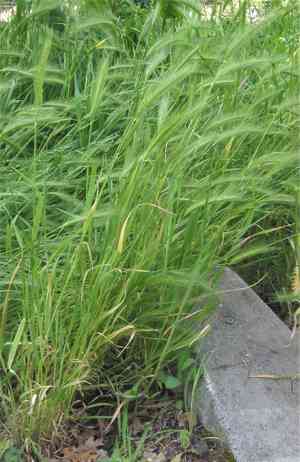
The ideal period for transplanting mouse Barley is as late spring transitions into early summer, providing consistent warmth and extended daylight hours. To ensure proper rooting, select a bright spot with soil that drains effectively. Should the root system appear tightly bound, carefully separate the roots to foster outward expansion.
Necessary Preparations Before Relocating Mouse Barley
Optimal Period for Moving Mouse Barley
The best time to move mouse Barley is from late spring to early summer. This period offers moderately warm soil and extended daylight, promoting strong root growth and easier adjustment. Transplanting mouse Barley then leverages its natural growth cycle, supporting robust health and longevity. Moving your mouse Barley when conditions favor its growth will lead to a smooth transition and a thriving presence in your garden.
Required Spacing Between Mouse Barley Plants
When moving mouse Barley, allow ample space between each plant. Ideally, they should be about 1 foot (30 cm) apart to ensure sufficient sunlight and room for development.
Best Soil Mixture for Mouse Barley Relocation
For mouse Barley, prepare well-draining soil with a slightly acidic to neutral pH. Before planting, enrich the soil with a balanced, slow-release base fertilizer to meet mouse Barley's nutritional needs.
Ideal Spot for Your Mouse Barley
Select a site for mouse Barley that receives full sun to partial shade. These plants prefer sunlight but can endure some shade. However, an area with at least six hours of daily sun would be perfect.
Equipment to Prepare Before Transplanting Mouse Barley
Gardening gloves
To safeguard your hands while handling soil and plants.
Shovel, Trowel or Hand Fork
Tools for carefully excavating the plant without harming its roots.
Garden Scissors/Pruners
For trimming the plant if necessary.
Watering Can
To hydrate the plant during and after the process.
Wheelbarrow or Container
For moving the plant from its original spot to the new one.
Mulch
To help the plant retain moisture post-transplantation.
How to Extract Mouse Barley from the Ground
How to Extract Mouse Barley from the Ground
From Ground: First, water the mouse Barley plant to soften the surrounding soil. Use a shovel to dig around the plant, leaving enough space to include most of its root system. Once loose, carefully lift the plant, minimizing root damage.From Pot: Begin by watering the potted mouse Barley. Turn the pot on its side and gently slide the plant out, supporting its base.From Seedling Tray: Ensure mouse Barley seedlings are well-watered before removal. Then, gently push them up from the bottom, preserving as much root as possible.
Step-by-Step Guide for Relocating Mouse Barley
Preparation
Prepare your chosen planting site by digging a hole twice as wide and as deep as the mouse Barley plant's root ball.
Placement
Position the mouse Barley in the hole. Ensure the root ball is level with the ground surface, not too deep or too shallow.
Backfill
Carefully refill the hole with soil, arranging it around the roots without compacting it too much.
Watering
Thoroughly water the mouse Barley plant after moving it. This is crucial for its recovery and establishment in the new location.
Mulching
Finally, apply a layer of mulch around the plant, leaving a gap around the stem. Mulch helps retain moisture and control weeds.
Post-Transplantation Care for Mouse Barley
Regular Care
Monitor the mouse Barley plant closely, especially in the initial weeks after relocation. It requires attention to ensure proper establishment.
Watering
Check soil moisture and water when the top inch of soil feels dry. Never let the soil completely dry out.
Trimming
Regularly prune the mouse Barley to encourage denser growth.
Observation
Look for signs of stress or disease in the plant. Early detection can prevent significant damage. If the plant shows severe signs of stress or illness, seek expert advice.
Resolving Common Issues with Mouse Barley Relocation
When is the optimal time to move mouse Barley?
The best period for replanting mouse Barley is during the third and fourth seasons. Accurate timing can significantly boost the plant's growth potential.
What is the ideal spacing when moving mouse Barley?
One should aim to plant mouse Barley with a spacing of approximately 1 foot (30.48 cm). This ensures each plant has ample room for optimal growth.
What type of soil is best for relocating mouse Barley?
Mouse Barley prefers well-draining soil, rich in organic matter. The pH should ideally be mildly acidic to neutral, around 6.0 to 7.5.
How much water does mouse Barley need after relocation?
Mouse Barley thrives in moist soil, so water regularly after relocation, ensuring the soil is adequately moist but not waterlogged.
How much sunlight does mouse Barley need after relocation?
Mouse Barley prefers full sun to partial shade, so ideally, it should receive at least 6-8 hours of sunlight daily.
How should I handle mouse Barley during relocation?
Handle mouse Barley gently during relocation. Avoid damaging the root system and try to keep as much soil around the roots as possible.
When will the relocated mouse Barley show new growth?
Mouse Barley should begin showing signs of new growth within 2 to 3 weeks after relocation. If not, it might be experiencing some stress.
What to do if my relocated mouse Barley shows signs of wilting?
Wilting could indicate shock or water stress. Keep the soil moist, but not waterlogged, and consider temporarily shading the plant.
Should I use fertilizer when relocating mouse Barley?
Incorporate a balanced, slow-release fertilizer into the planting hole before relocation. This provides mouse Barley with an initial nutritional boost.
Can I relocate mouse Barley near other plants or structures?
Yes, as long as you ensure it has enough space (1 foot/30.5 cm) to grow. Be mindful of the sun's position so it isn't shaded all day.



